THE ADVENTURE COLLECTIVE® · Independent discovery and booking for outdoor travel

Explore Barnstaple on a 90-minute guided walk led by a local historian who blends archival research with lively storytelling. Discover Saxon origins, medieval trade, and overlooked corners of this tidal market town.
Explore Barnstaple on a 90-minute guided walk led by a local historian who blends archival research with lively storytelling. Discover Saxon origins, medieval trade, and overlooked corners of this tidal market town.
On a damp morning the cobbles of Barnstaple breathe cold and close; the River Taw pulls at the quay and the town’s stones seem to remember the ships that once filled its tidal reaches.
Verified experiences and guided adventures in the surrounding area.
Operated by Devon History Tours · Barnstaple, Devon
On a damp morning the cobbles of Barnstaple breathe cold and close; the River Taw pulls at the quay and the town’s stones seem to remember the ships that once filled its tidal reaches.
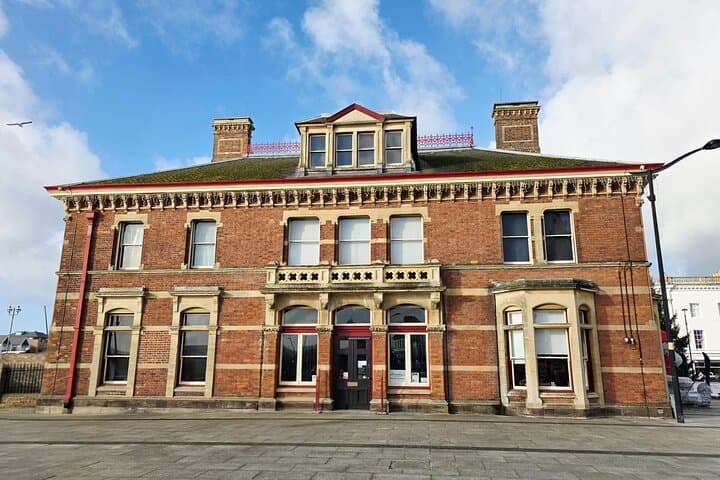
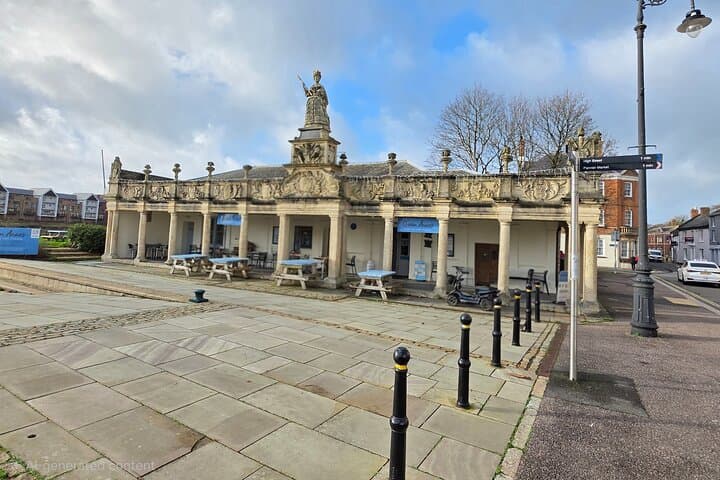
Begin at the medieval heart and you’ll move outward: narrow lanes, market-archways and brick façades that mark centuries of trade, law and daily life. An experienced local guide threads documentary research and rumor, pointing out where the Saxon settlement evolved into a bustling medieval port and where punishment, commerce and civic life intersected.
Geology and geography explain much here: the Taw estuary carved access to the Bristol Channel and set Barnstaple as a regional hub. Historic industries — wool, shipbuilding and later market trade — left buildings you can still read like pages.
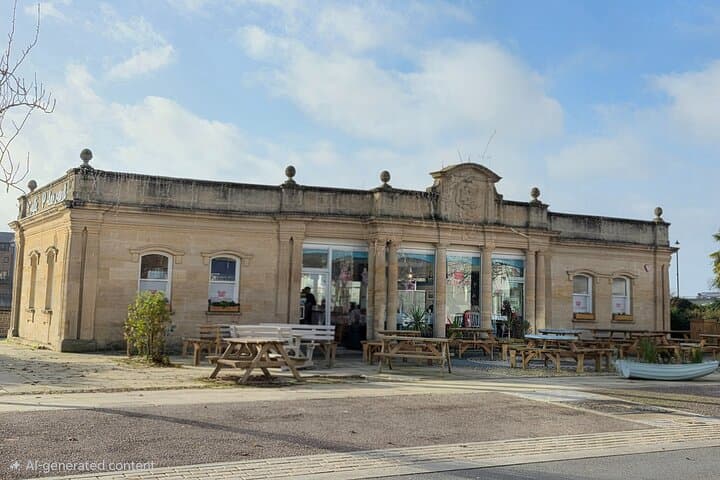
Cultural notes surface in tucked courtyards and shopfronts; oral histories and surviving records give the social context behind street names and monuments. The guide separates romantic myth from archival fact while keeping the intrigue of the past alive.
Practicalities: the route is mostly flat, on paved streets with frequent stops for interpretation; allow 90 minutes for the standard walk. Wear footwear suitable for cobbles and variable weather, and arrive a few minutes early to find the meeting point. Small groups encourage questions and conversation, so bring curiosity and a notepad if you want details to follow up.
Whether you’re a local wanting fresh perspective or a visitor mapping Devon’s history, the tour delivers a concise, research-driven walk that makes Barnstaple’s past audible and visible.
easy.
1.5 hours.
Suitable for all fitness levels; mostly flat urban walking with frequent stops
The standard tour lasts 90 minutes and covers primarily flat, paved streets.
Yes — the operator lists the route as wheelchair and stroller accessible; contact the provider if you require specific assistance.
Dogs on leads and service animals are allowed, but check with the guide about busy sections or indoor stops.
Full refunds are available if you cancel at least 24 hours before the scheduled start; tours may be canceled for bad weather or low bookings.
Barnstaple began as a Saxon settlement and grew into a medieval port and market town, its prosperity tied to river access and regional trade. Many surviving buildings reflect mercantile wealth and civic institutions from the 16th–19th centuries.
Respect for historic fabric is key—stick to public paths, avoid touching fragile masonry and support local businesses to keep heritage sites viable for the community.
Devon History Tours operates guided outdoor trips and adventures with an emphasis on safety, stewardship, and memorable experiences.
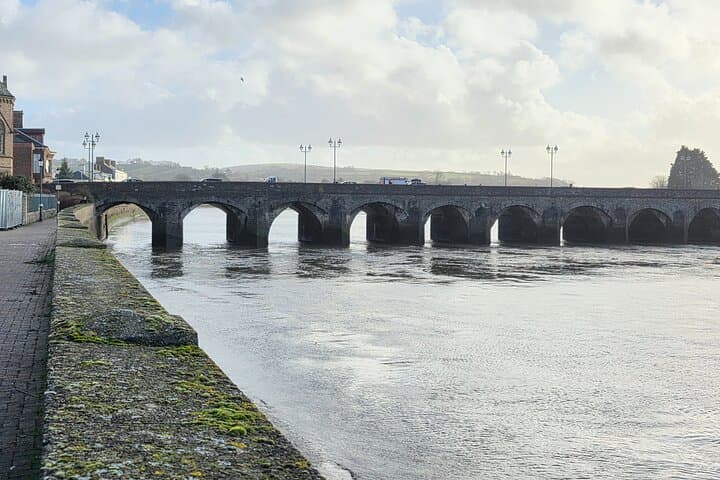
On a damp morning the cobbles of Barnstaple breathe cold and close; the River Taw pulls at the quay and the town’s stones seem to remember the ships that once filled its tidal reaches.
On a damp morning the cobbles of Barnstaple breathe cold and close; the River Taw pulls at the quay and the town’s stones seem to remember the ships that once filled its tidal reaches.
Begin at the medieval heart and you’ll move outward: narrow lanes, market-archways and brick façades that mark centuries of trade, law and daily life. An experienced local guide threads documentary research and rumor, pointing out where the Saxon settlement evolved into a bustling medieval port and where punishment, commerce and civic life intersected.
Geology and geography explain much here: the Taw estuary carved access to the Bristol Channel and set Barnstaple as a regional hub. Historic industries — wool, shipbuilding and later market trade — left buildings you can still read like pages.
Cultural notes surface in tucked courtyards and shopfronts; oral histories and surviving records give the social context behind street names and monuments. The guide separates romantic myth from archival fact while keeping the intrigue of the past alive.
Practicalities: the route is mostly flat, on paved streets with frequent stops for interpretation; allow 90 minutes for the standard walk. Wear footwear suitable for cobbles and variable weather, and arrive a few minutes early to find the meeting point. Small groups encourage questions and conversation, so bring curiosity and a notepad if you want details to follow up.
Whether you’re a local wanting fresh perspective or a visitor mapping Devon’s history, the tour delivers a concise, research-driven walk that makes Barnstaple’s past audible and visible.