THE ADVENTURE COLLECTIVE® · Independent discovery and booking for outdoor travel

Choose a tailored day hike from Bariloche into Nahuel Huapi’s Andean slopes—forested approaches, glacially carved views and a guide who matches route to fitness and weather. Read on for what to expect and how to prepare.
Choose a tailored day hike from Bariloche into Nahuel Huapi’s Andean slopes—forested approaches, glacially carved views and a guide who matches route to fitness and weather. Read on for what to expect and how to prepare.
Morning light slides across glacial ridgelines as hikers step from a forest of lengas and coihues into open views that demand a long, steady breath. The guide checks boots, the group tests poles, and the trail—sometimes a narrow ribbon, sometimes a rocky scramble—pulls everyone upward toward viewpoints over Nahuel Huapi Lake and the patchwork of Andean valleys below.
Verified experiences and guided adventures in the surrounding area.
Operated by PataHikes · San Carlos de Bariloche, Río Negro
Morning light slides across glacial ridgelines as hikers step from a forest of lengas and coihues into open views that demand a long, steady breath. The guide checks boots, the group tests poles, and the trail—sometimes a narrow ribbon, sometimes a rocky scramble—pulls everyone upward toward viewpoints over Nahuel Huapi Lake and the patchwork of Andean valleys below.
This region grew around 19th-century Patagonian exploration, boundary disputes, and the later development of San Carlos de Bariloche as a mountain town. Geologically, the terrain is shaped by volcanic bedrock and ancient glacial sculpting; moraines and cirques mark past ice advances and produce the steep bowls and sharp ridgelines you’ll traverse. Local Mapuche culture and Swiss-influenced alpine settlement both color the towns and trail-side refuges.
Expect mixed terrain: packed dirt, rocky switchbacks, occasional scree and creek crossings. Elevation gain varies with route selection but guided days typically range from moderate ridge hikes (500–800 m ascent) to longer full-day treks reaching 1,000 m plus. Wildlife is discreet—condors wheel high, huemul are rare and shy—while streams often suggest a different urgency, daring you to keep pace.
Practical guidance: choose midday start to avoid windier early mornings; wear sturdy trail shoes, layered clothing for fast-changing mountain weather, and carry 2–3 liters of water plus a windproof shell. The operator tailors the route to fitness and forecast, so be candid about your conditioning. With private transport and a local guide, this is a practical way to access classic Patagonian scenery without route-finding stress—just steady steps, wide views, and the mountain's echo following you down.
moderate.
4–9 hours.
Moderate fitness with experience on uneven trails; able to handle 500–1,000 m of ascent.
The operator tailors hikes from moderate half-day routes to longer full-day challenges; expect 500–1,000 m of ascent on more demanding options.
Private transportation is included, with pickup options in and around San Carlos de Bariloche specified at booking.
Bring layered clothing, sun protection, 2–3 liters of water, snacks, and a small first-aid kit; waterproof gear is recommended year-round.
Snow can linger at higher elevations in spring and return early in fall; the guide adjusts routes based on conditions and safety.
San Carlos de Bariloche grew as a mountain town in the late 19th and early 20th centuries with European alpine influences and longstanding Mapuche presence in the region.
Nahuel Huapi National Park manages trail impact and visitor education; stick to marked routes and pack out waste to protect fragile alpine plants.
PataHikes operates guided outdoor trips and adventures with an emphasis on safety, stewardship, and memorable experiences.
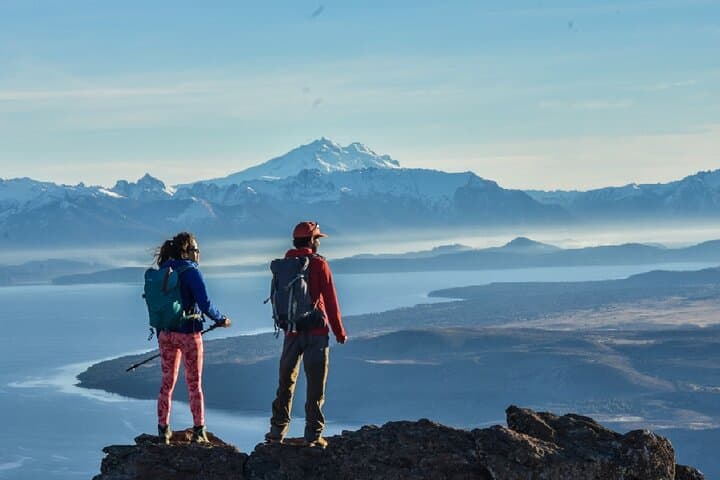
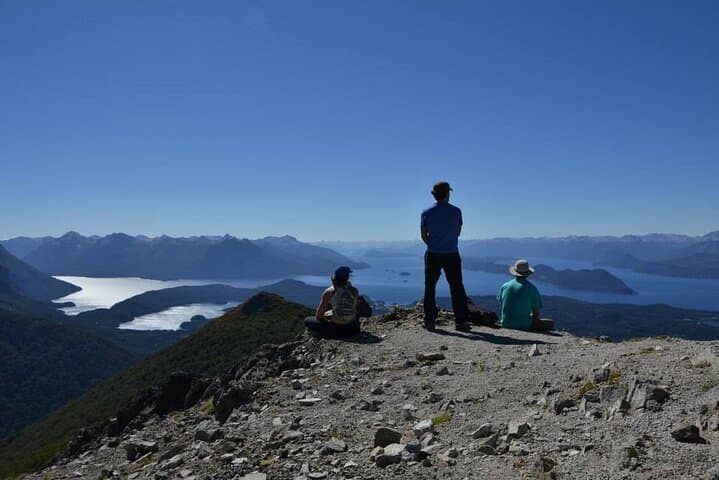
Morning light slides across glacial ridgelines as hikers step from a forest of lengas and coihues into open views that demand a long, steady breath. The guide checks boots, the group tests poles, and the trail—sometimes a narrow ribbon, sometimes a rocky scramble—pulls everyone upward toward viewpoints over Nahuel Huapi Lake and the patchwork of Andean valleys below.
Morning light slides across glacial ridgelines as hikers step from a forest of lengas and coihues into open views that demand a long, steady breath. The guide checks boots, the group tests poles, and the trail—sometimes a narrow ribbon, sometimes a rocky scramble—pulls everyone upward toward viewpoints over Nahuel Huapi Lake and the patchwork of Andean valleys below.
This region grew around 19th-century Patagonian exploration, boundary disputes, and the later development of San Carlos de Bariloche as a mountain town. Geologically, the terrain is shaped by volcanic bedrock and ancient glacial sculpting; moraines and cirques mark past ice advances and produce the steep bowls and sharp ridgelines you’ll traverse. Local Mapuche culture and Swiss-influenced alpine settlement both color the towns and trail-side refuges.
Expect mixed terrain: packed dirt, rocky switchbacks, occasional scree and creek crossings. Elevation gain varies with route selection but guided days typically range from moderate ridge hikes (500–800 m ascent) to longer full-day treks reaching 1,000 m plus. Wildlife is discreet—condors wheel high, huemul are rare and shy—while streams often suggest a different urgency, daring you to keep pace.
Practical guidance: choose midday start to avoid windier early mornings; wear sturdy trail shoes, layered clothing for fast-changing mountain weather, and carry 2–3 liters of water plus a windproof shell. The operator tailors the route to fitness and forecast, so be candid about your conditioning. With private transport and a local guide, this is a practical way to access classic Patagonian scenery without route-finding stress—just steady steps, wide views, and the mountain's echo following you down.