THE ADVENTURE COLLECTIVE® · Independent discovery and booking for outdoor travel

Spend four days moving from lakeshore panoramas to ancient forest walks and high-mountain viewpoints around Bariloche. This practical itinerary combines Circuito Chico, a boat trip to Victoria Island and the Arrayanes, plus a full-day visit to glacier-marked Cerro Tronador.
Spend four days moving from lakeshore panoramas to ancient forest walks and high-mountain viewpoints around Bariloche. This practical itinerary combines Circuito Chico, a boat trip to Victoria Island and the Arrayanes, plus a full-day visit to glacier-marked Cerro Tronador.
A cool wind from Nahuel Huapi cuts across the road as you arrive in San Carlos de Bariloche — blue lake on one side, granite peaks on the other. On the first afternoon the Circuito Chico opens the view: cedar-dark forest, the occasional chorus of water, and the lift line at Cerro Campanario that frames the lake like a photograph. The next day a boat slips away from Puerto Pañuelo and the island-dotted water pushes you toward Victoria Island and the cinnamon trunks of the Arrayanes forest; the trees stand like weathered guardians along the Quetrihué Peninsula.
Verified experiences and guided adventures in the surrounding area.
Operated by Signature Tours · San Carlos de Bariloche, Río Negro
A cool wind from Nahuel Huapi cuts across the road as you arrive in San Carlos de Bariloche — blue lake on one side, granite peaks on the other. On the first afternoon the Circuito Chico opens the view: cedar-dark forest, the occasional chorus of water, and the lift line at Cerro Campanario that frames the lake like a photograph. The next day a boat slips away from Puerto Pañuelo and the island-dotted water pushes you toward Victoria Island and the cinnamon trunks of the Arrayanes forest; the trees stand like weathered guardians along the Quetrihué Peninsula.
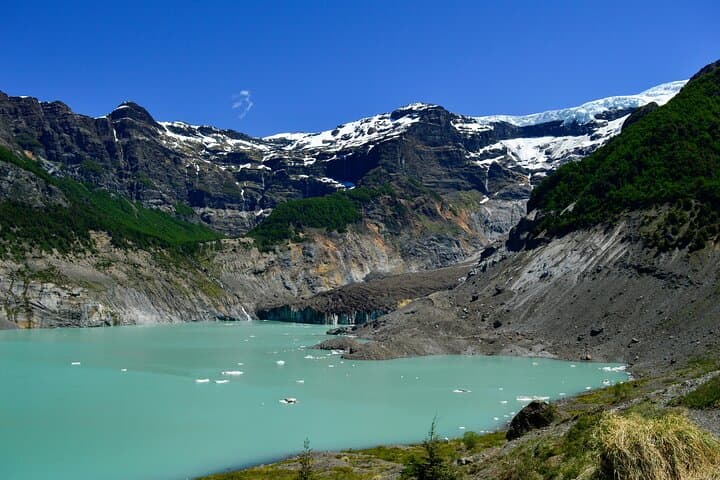
This region sits on the eastern edge of the Andes where glacial activity carved deep basins that filled to become Nahuel Huapi. Spanish and Mapuche histories overlap here — European alpine-style hotels arrived in the early 20th century while indigenous routes still trace the valleys. Cerro Tronador is an inactive volcano whose glaciers and moraine fields feed cold streams; expect volcanic rock, glacial till and wide, open valleys on the full-day run.
Practical guidance: arrive before 1:00 PM on day one to join the Circuito Chico; expect unpaved viewpoints and short, managed walks (many are under 1–2 km). Dress in layers — weather flips quickly at lake level and above 1,000 m. Bring waterproof gear for the boat day and sturdy hiking shoes for the Tronador approach, where footing can be rocky and damp.
Timing matters: morning light is best for photography on the lake, while mid-afternoon often brings more wind. Hydrate, carry snacks for the full-day excursion, and plan extra time for slow, deliberate stops — the landscape rewards the patient observer.
moderate.
4 days.
Suitable for travelers in reasonable health; most walks are short but expect a full day with moderate walking to Cerro Tronador.
The trip includes airport pick-up and drop-off in Bariloche; provide flight details and you’ll be met for transfer to your 4* hotel.
The itinerary includes the half-day excursion to Victoria Island and the Arrayanes; bring weather-appropriate clothing as crossings can be cool and breezy.
Yes — the program is rated suitable for all fitness levels; walks are generally short, but the full-day Tronador excursion involves longer time in transit and short hikes on uneven terrain.
Bariloche weather is changeable year-round; summers are warm but windy, while winter brings snow higher up — layers and a flexible schedule help you make the most of each day.
San Carlos de Bariloche grew as an alpine tourist hub in the early 20th century alongside European-style hotels; the area also has deep Mapuche connections and a history shaped by glaciation.
Nahuel Huapi National Park is protected but fragile — stay on marked trails, pack out waste, and respect restricted zones around sensitive forest patches and glacial streams.
Signature Tours operates guided outdoor trips and adventures with an emphasis on safety, stewardship, and memorable experiences.
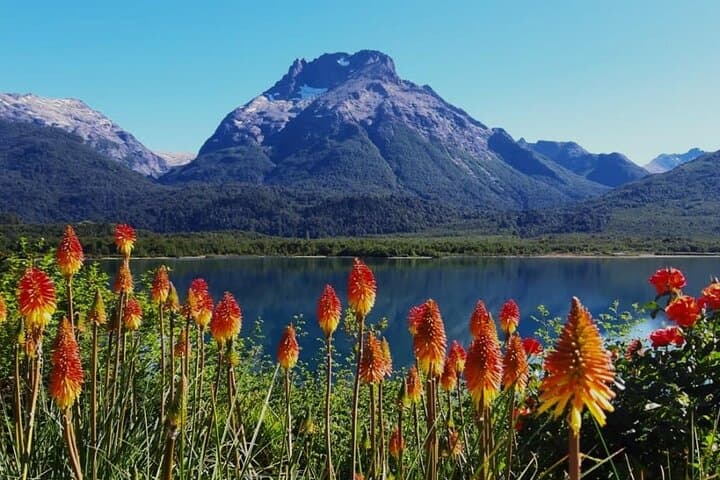
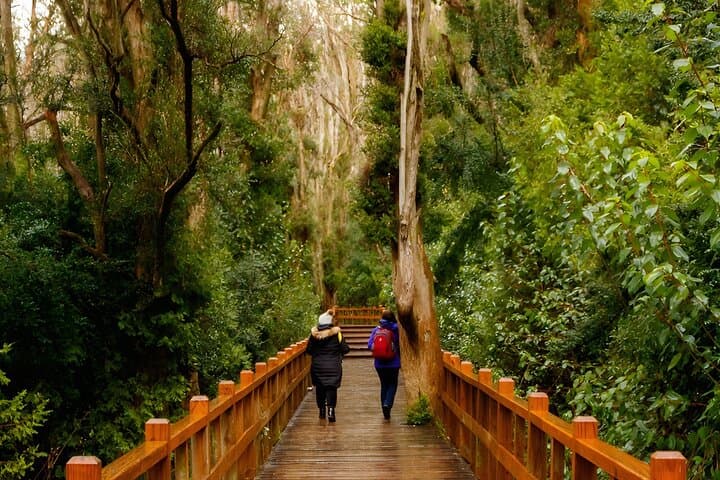
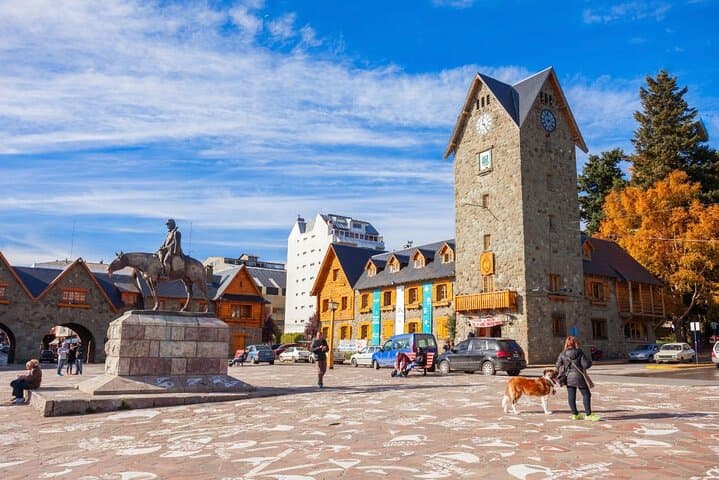
A cool wind from Nahuel Huapi cuts across the road as you arrive in San Carlos de Bariloche — blue lake on one side, granite peaks on the other. On the first afternoon the Circuito Chico opens the view: cedar-dark forest, the occasional chorus of water, and the lift line at Cerro Campanario that frames the lake like a photograph. The next day a boat slips away from Puerto Pañuelo and the island-dotted water pushes you toward Victoria Island and the cinnamon trunks of the Arrayanes forest; the trees stand like weathered guardians along the Quetrihué Peninsula.
A cool wind from Nahuel Huapi cuts across the road as you arrive in San Carlos de Bariloche — blue lake on one side, granite peaks on the other. On the first afternoon the Circuito Chico opens the view: cedar-dark forest, the occasional chorus of water, and the lift line at Cerro Campanario that frames the lake like a photograph. The next day a boat slips away from Puerto Pañuelo and the island-dotted water pushes you toward Victoria Island and the cinnamon trunks of the Arrayanes forest; the trees stand like weathered guardians along the Quetrihué Peninsula.
This region sits on the eastern edge of the Andes where glacial activity carved deep basins that filled to become Nahuel Huapi. Spanish and Mapuche histories overlap here — European alpine-style hotels arrived in the early 20th century while indigenous routes still trace the valleys. Cerro Tronador is an inactive volcano whose glaciers and moraine fields feed cold streams; expect volcanic rock, glacial till and wide, open valleys on the full-day run.
Practical guidance: arrive before 1:00 PM on day one to join the Circuito Chico; expect unpaved viewpoints and short, managed walks (many are under 1–2 km). Dress in layers — weather flips quickly at lake level and above 1,000 m. Bring waterproof gear for the boat day and sturdy hiking shoes for the Tronador approach, where footing can be rocky and damp.
Timing matters: morning light is best for photography on the lake, while mid-afternoon often brings more wind. Hydrate, carry snacks for the full-day excursion, and plan extra time for slow, deliberate stops — the landscape rewards the patient observer.