THE ADVENTURE COLLECTIVE® · Independent discovery and booking for outdoor travel

Walk through Dubai’s historic trade corridors where gold glints, spice aromas rise, and colorful textiles crowd narrow lanes. This guided 90–120 minute tour pairs bargaining practice with an Abra ride and a visit to the Dubai Museum.
Walk through Dubai’s historic trade corridors where gold glints, spice aromas rise, and colorful textiles crowd narrow lanes. This guided 90–120 minute tour pairs bargaining practice with an Abra ride and a visit to the Dubai Museum.
You step from the shaded alley into sunlight that ricochets off gold chains and mirrors the creek's bright ribbon. The air shifts from metallic sparkle to warm, resinous spice—saffron, dried lime, and cumin daring you to lean closer. Traders call prices with practiced rhythm; the Abra horns punctuate the market's pace as wooden boats ferry commuters across Dubai Creek.
Verified experiences and guided adventures in the surrounding area.
Operated by KEY 2 DESTINATIONS · Dubai, Dubai
You step from the shaded alley into sunlight that ricochets off gold chains and mirrors the creek's bright ribbon. The air shifts from metallic sparkle to warm, resinous spice—saffron, dried lime, and cumin daring you to lean closer. Traders call prices with practiced rhythm; the Abra horns punctuate the market's pace as wooden boats ferry commuters across Dubai Creek.
These souks sit where a natural tidal creek once concentrated pearl divers and merchants. The Gold Souk grew alongside Dubai’s mercantile rise, while the Spice and Textile Souks reflect centuries of trade routes that linked the Arabian Gulf to India and Africa. The nearby Al Fahidi Fort, home to the Dubai Museum, frames modern glass towers with the city's pre-oil past and gives context to the fabrics and flavors on display.
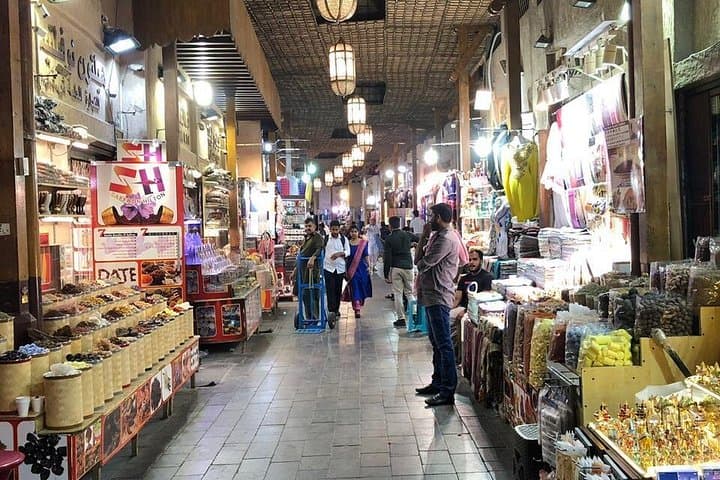
Expect narrow lanes under awnings, compact shops with stacked bolts of cloth, and counters displaying heavy necklaces. Bargaining is part performance and price: start low, be polite, and know the item's market range. Wear comfortable shoes—paving is flat but crowded—and carry water; the creek breeze cools but sun can be sharp. Morning and late afternoon offer the best light for photos and more reserved crowds. Take an Abra for a short, memorable crossing; it gives a waterfront perspective and a moment of calm amid the bustle.
Practicalities: bring small notes for purchases, confirm tax-free export rules if buying jewelry, and allow 1.5–2 hours to move through all stops. This is an accessible, sensory urban walk that pairs cultural history with hands-on shopping.
easy.
1.5–2 hours.
Suitable for most fitness levels; involves walking and standing with occasional short boat steps.
The guided experience typically lasts 90–120 minutes and covers the Gold, Spice, and Textile Souks, an Abra ride, and concludes at the Dubai Museum.
Yes—this tour lists wheelchair and stroller accessibility, with mostly flat surfaces and accessible transportation options.
Many shops assist with international shipping and tax-free export paperwork—confirm certificates and shipping costs before purchase.
Yes—haggling is customary. Start lower than the asking price, be courteous, and agree on a price before handing over payment.
The souks grew from Dubai Creek’s role as a pearl and trading harbor; merchants from the Indian Ocean, Persia, and Arabia shaped the market culture still visible today.
Local initiatives focus on reducing single-use plastics and preserving the creek’s water quality; respectful shopping and minimal waste help maintain the area.
KEY 2 DESTINATIONS operates guided outdoor trips and adventures with an emphasis on safety, stewardship, and memorable experiences.
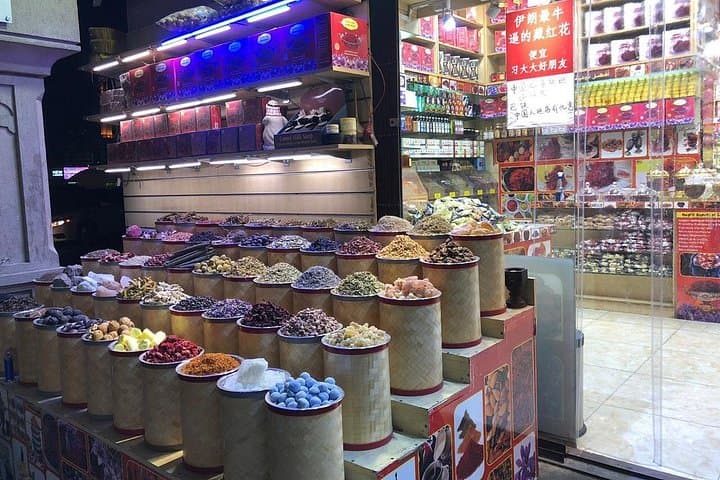
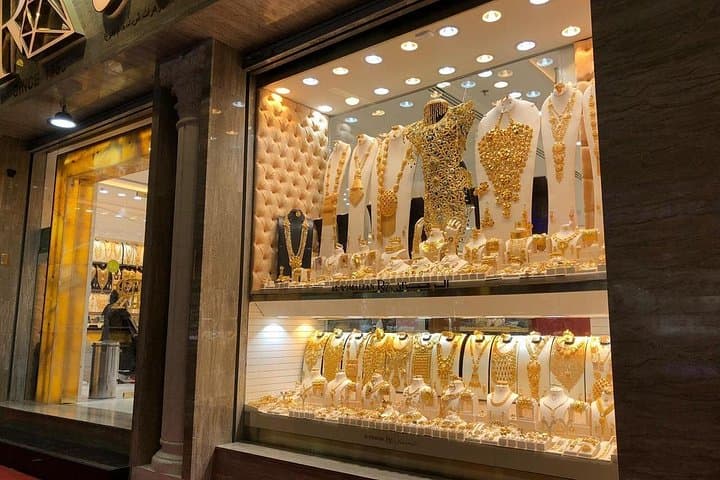
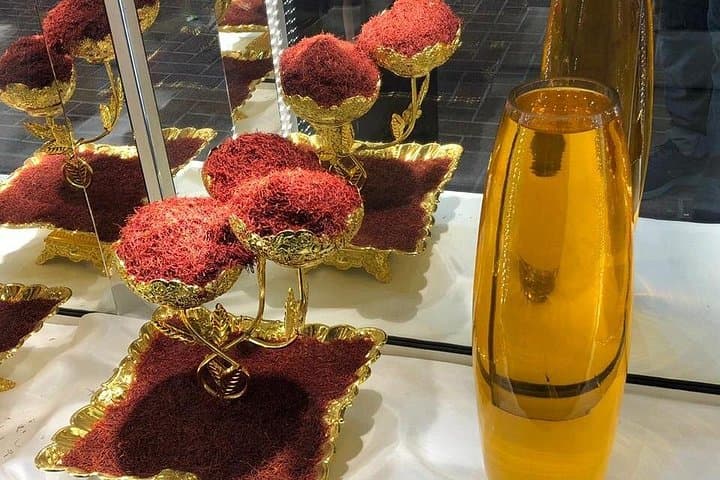
You step from the shaded alley into sunlight that ricochets off gold chains and mirrors the creek's bright ribbon. The air shifts from metallic sparkle to warm, resinous spice—saffron, dried lime, and cumin daring you to lean closer. Traders call prices with practiced rhythm; the Abra horns punctuate the market's pace as wooden boats ferry commuters across Dubai Creek.
You step from the shaded alley into sunlight that ricochets off gold chains and mirrors the creek's bright ribbon. The air shifts from metallic sparkle to warm, resinous spice—saffron, dried lime, and cumin daring you to lean closer. Traders call prices with practiced rhythm; the Abra horns punctuate the market's pace as wooden boats ferry commuters across Dubai Creek.
These souks sit where a natural tidal creek once concentrated pearl divers and merchants. The Gold Souk grew alongside Dubai’s mercantile rise, while the Spice and Textile Souks reflect centuries of trade routes that linked the Arabian Gulf to India and Africa. The nearby Al Fahidi Fort, home to the Dubai Museum, frames modern glass towers with the city's pre-oil past and gives context to the fabrics and flavors on display.
Expect narrow lanes under awnings, compact shops with stacked bolts of cloth, and counters displaying heavy necklaces. Bargaining is part performance and price: start low, be polite, and know the item's market range. Wear comfortable shoes—paving is flat but crowded—and carry water; the creek breeze cools but sun can be sharp. Morning and late afternoon offer the best light for photos and more reserved crowds. Take an Abra for a short, memorable crossing; it gives a waterfront perspective and a moment of calm amid the bustle.
Practicalities: bring small notes for purchases, confirm tax-free export rules if buying jewelry, and allow 1.5–2 hours to move through all stops. This is an accessible, sensory urban walk that pairs cultural history with hands-on shopping.