THE ADVENTURE COLLECTIVE® · Independent discovery and booking for outdoor travel

Step into Parc de la Ciutadella and spend a day among more than 2,000 animals at Barcelona Zoo. This historic, largely accessible city zoo pairs modern habitats with educational exhibits—ideal for families and wildlife enthusiasts.
Step into Parc de la Ciutadella and spend a day among more than 2,000 animals at Barcelona Zoo. This historic, largely accessible city zoo pairs modern habitats with educational exhibits—ideal for families and wildlife enthusiasts.
A late-morning light slips through plane trees in Parc de la Ciutadella as families and solo visitors thread toward the zoo gates. The path hums with the city—trams clatter, street vendors call—but once inside, animal voices and shaded enclosures take over, pulling attention from Barcelona’s grid into a quieter, greener world.
Verified experiences and guided adventures in the surrounding area.
Operated by Turisme de Barcelona · Barcelona, Catalonia
A late-morning light slips through plane trees in Parc de la Ciutadella as families and solo visitors thread toward the zoo gates. The path hums with the city—trams clatter, street vendors call—but once inside, animal voices and shaded enclosures take over, pulling attention from Barcelona’s grid into a quieter, greener world.
Founded in 1882, Barcelona Zoo is Spain’s oldest established zoo and occupies roughly 13 hectares on the city’s coastal plain. Its layout mixes older architecture and modernized habitats designed to reflect natural environments: open savannah-like enclosures for ungulates, dense foliage for primates, and temperature-controlled houses for reptiles and amphibians. The dolphinarium, with its underwater viewing windows, remains one of the park’s most visited features, and the memory of Snowflake, the famous white gorilla, still informs the zoo’s conservation messaging.
Culturally, the zoo sits within a popular urban park used by locals for picnics and small festivals; signage is in Catalan, Spanish and English. Geologically the site is flat, set on reclaimed plain near Barcelona’s harbor, so paths are mostly level and stroller-friendly.
Practical advice: expect a full day if you want to see most exhibits—there’s a mini-train and rentable electric carts to shorten walks. Mobile tickets permit skip-the-line entry; bring water, sun protection and comfortable shoes. Photography without flash is generally allowed but follow posted rules near sensitive enclosures. Accessibility is broad—many surfaces, routes and services are wheelchair-friendly—yet some older buildings still have limited access. The zoo blends education with easy urban wildlife viewing, making it a low-effort, high-value outing for families and nature-curious travelers.
easy.
4–8 hours.
Suitable for all fitness levels; involves moderate walking on paved paths
Tickets are mobile or paper and include skip-the-line entry; bring your confirmation on your device for admission.
Yes—paths, surfaces and many facilities are wheelchair and stroller accessible, though some older buildings have limited access.
The dolphinarium has viewing windows and scheduled presentations—check the zoo’s daily schedule on arrival for times and any additional costs.
Yes—there are leafy picnic areas and cafés on site; outside food is permitted in designated areas but check zoo rules for any restrictions.
Opened in 1882, Barcelona Zoo has evolved from 19th-century menageries to modern conservation-focused exhibits and played a role in international breeding programs.
The zoo participates in endangered species programs and public education; visitors are encouraged to follow guidelines that reduce disturbance and waste on site.
Turisme de Barcelona operates guided outdoor trips and adventures with an emphasis on safety, stewardship, and memorable experiences.

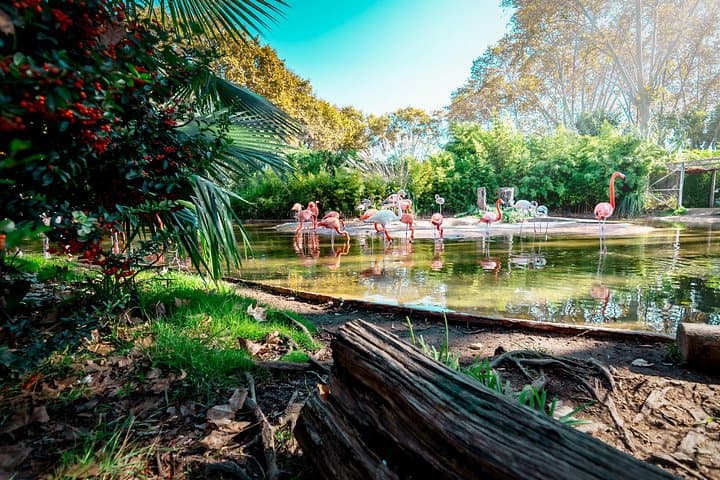


A late-morning light slips through plane trees in Parc de la Ciutadella as families and solo visitors thread toward the zoo gates. The path hums with the city—trams clatter, street vendors call—but once inside, animal voices and shaded enclosures take over, pulling attention from Barcelona’s grid into a quieter, greener world.
A late-morning light slips through plane trees in Parc de la Ciutadella as families and solo visitors thread toward the zoo gates. The path hums with the city—trams clatter, street vendors call—but once inside, animal voices and shaded enclosures take over, pulling attention from Barcelona’s grid into a quieter, greener world.
Founded in 1882, Barcelona Zoo is Spain’s oldest established zoo and occupies roughly 13 hectares on the city’s coastal plain. Its layout mixes older architecture and modernized habitats designed to reflect natural environments: open savannah-like enclosures for ungulates, dense foliage for primates, and temperature-controlled houses for reptiles and amphibians. The dolphinarium, with its underwater viewing windows, remains one of the park’s most visited features, and the memory of Snowflake, the famous white gorilla, still informs the zoo’s conservation messaging.
Culturally, the zoo sits within a popular urban park used by locals for picnics and small festivals; signage is in Catalan, Spanish and English. Geologically the site is flat, set on reclaimed plain near Barcelona’s harbor, so paths are mostly level and stroller-friendly.
Practical advice: expect a full day if you want to see most exhibits—there’s a mini-train and rentable electric carts to shorten walks. Mobile tickets permit skip-the-line entry; bring water, sun protection and comfortable shoes. Photography without flash is generally allowed but follow posted rules near sensitive enclosures. Accessibility is broad—many surfaces, routes and services are wheelchair-friendly—yet some older buildings still have limited access. The zoo blends education with easy urban wildlife viewing, making it a low-effort, high-value outing for families and nature-curious travelers.