THE ADVENTURE COLLECTIVE® · Independent discovery and booking for outdoor travel

Spend two hours exploring Barcelona’s Ciutat Vella with a private guide and six curated tastings, from patatas bravas to vermut. This walk-through markets and historic streets pairs food with cultural context and local tips to keep you eating like a local.
Spend two hours exploring Barcelona’s Ciutat Vella with a private guide and six curated tastings, from patatas bravas to vermut. This walk-through markets and historic streets pairs food with cultural context and local tips to keep you eating like a local.
The tour slips into life beneath the patterned roof of Santa Caterina Market, where steam and citrus perfume the air and narrow alleys draw you toward small bars pouring vermut. For two hours a private guide threads the group through Ciutat Vella’s streets, balancing quick bites with sharp context — why patatas bravas took on local rivalries, where medieval trade routes shaped food stalls, and how modern design met market tradition in Barcelona’s recent renovations.
Verified experiences and guided adventures in the surrounding area.
Operated by Visit Barca · Barcelona, Catalonia
The tour slips into life beneath the patterned roof of Santa Caterina Market, where steam and citrus perfume the air and narrow alleys draw you toward small bars pouring vermut. For two hours a private guide threads the group through Ciutat Vella’s streets, balancing quick bites with sharp context — why patatas bravas took on local rivalries, where medieval trade routes shaped food stalls, and how modern design met market tradition in Barcelona’s recent renovations.
Barcelona’s old quarter is layered: Roman foundations under Gothic facades, 19th‑century market architecture sitting beside contemporary roofs. The food tells the same story — salted anchovies from the coast, mountain cheeses, cured meats that reflect Catalonia’s pastoral past. Guides often point out local rituals, from the midday vermut to the late-night tapas crawl, and explain cultural touchstones like the importance of mercado markets as community hubs.
Practicalities matter on a fast-paced tasting tour. Expect standing and short walks on cobbles; markets can be noisy and crowded, especially at midday. Tell your host about allergies ahead of time so they can swap plates; carry a light jacket for breezy evenings and a small backpack for purchases. Bring a mix of cash and card — some stalls prefer one or the other — and plan the tour early in your trip to pick up neighborhood tips from a true local. This is a sensory primer: it gives you permission to taste boldly, ask questions, and leave with a clearer map of where to eat next in Barcelona.
easy.
2 hours.
Light walking on flat to uneven pavement — suitable for most fitness levels.
Tell your host during booking; the private guide will customize tastings or replace items to avoid allergens.
Most itineraries begin in Ciutat Vella near Santa Caterina Market and finish after the final tasting within the old quarter — exact meeting details are provided after booking.
Santa Caterina is commonly included but markets may be substituted on Sundays or for closures; guides will offer alternatives on those days.
Yes — the experience is fully customizable, and the guide will select suitable tastings when notified in advance.
Ciutat Vella grew from Roman and medieval cores into Barcelona’s civic center; markets like Santa Caterina became focal points for trade and social life across centuries.
The operator emphasizes low-impact practices (market sourcing and a carbon-free tour) — support local vendors and minimize single-use plastics to reduce your footprint.
Visit Barca operates guided outdoor trips and adventures with an emphasis on safety, stewardship, and memorable experiences.
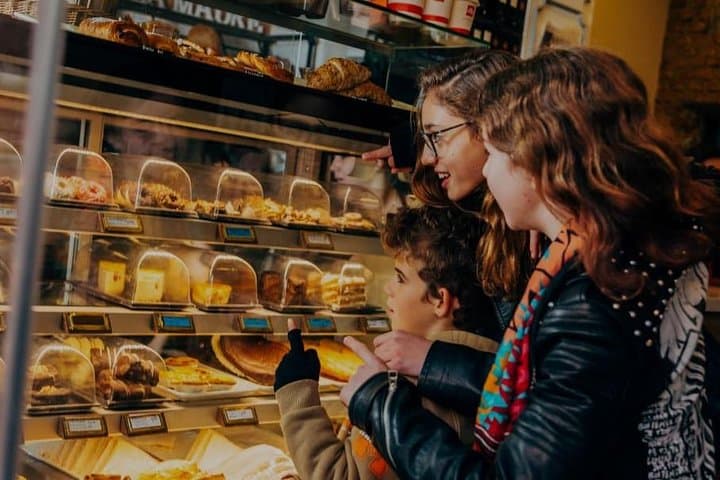
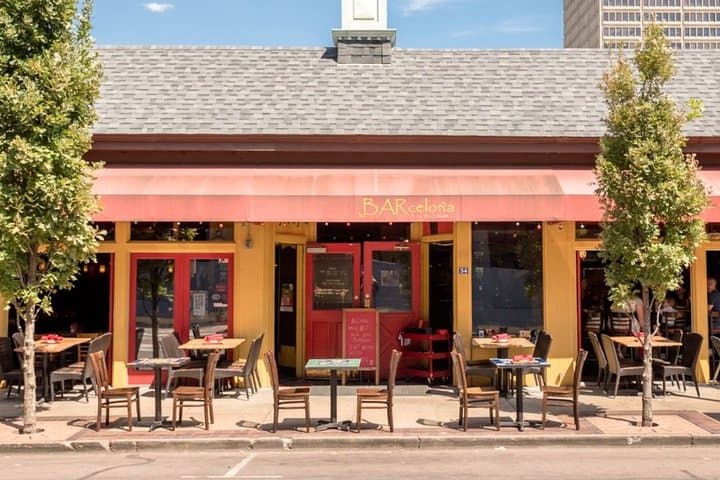
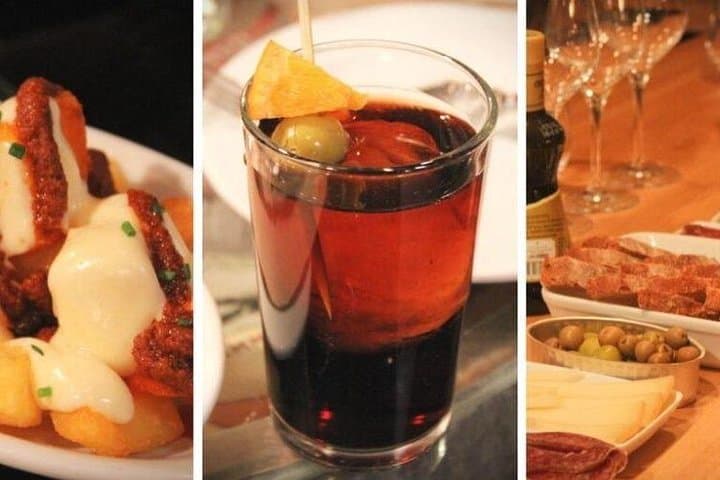
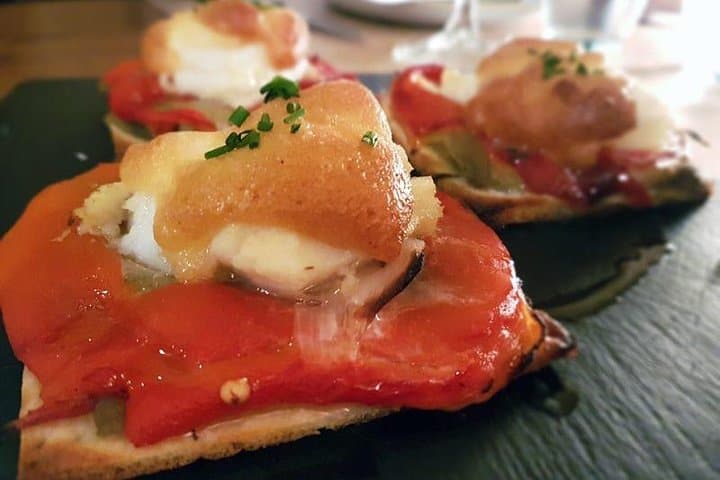
The tour slips into life beneath the patterned roof of Santa Caterina Market, where steam and citrus perfume the air and narrow alleys draw you toward small bars pouring vermut. For two hours a private guide threads the group through Ciutat Vella’s streets, balancing quick bites with sharp context — why patatas bravas took on local rivalries, where medieval trade routes shaped food stalls, and how modern design met market tradition in Barcelona’s recent renovations.
The tour slips into life beneath the patterned roof of Santa Caterina Market, where steam and citrus perfume the air and narrow alleys draw you toward small bars pouring vermut. For two hours a private guide threads the group through Ciutat Vella’s streets, balancing quick bites with sharp context — why patatas bravas took on local rivalries, where medieval trade routes shaped food stalls, and how modern design met market tradition in Barcelona’s recent renovations.
Barcelona’s old quarter is layered: Roman foundations under Gothic facades, 19th‑century market architecture sitting beside contemporary roofs. The food tells the same story — salted anchovies from the coast, mountain cheeses, cured meats that reflect Catalonia’s pastoral past. Guides often point out local rituals, from the midday vermut to the late-night tapas crawl, and explain cultural touchstones like the importance of mercado markets as community hubs.
Practicalities matter on a fast-paced tasting tour. Expect standing and short walks on cobbles; markets can be noisy and crowded, especially at midday. Tell your host about allergies ahead of time so they can swap plates; carry a light jacket for breezy evenings and a small backpack for purchases. Bring a mix of cash and card — some stalls prefer one or the other — and plan the tour early in your trip to pick up neighborhood tips from a true local. This is a sensory primer: it gives you permission to taste boldly, ask questions, and leave with a clearer map of where to eat next in Barcelona.