THE ADVENTURE COLLECTIVE® · Independent discovery and booking for outdoor travel

Follow a treasure map through Passeig de Gràcia and Gaudí’s most iconic facades in this two-hour urban puzzle. Solve clues with a book and tools while learning the modernist stories carved into Barcelona’s streets.
Follow a treasure map through Passeig de Gràcia and Gaudí’s most iconic facades in this two-hour urban puzzle. Solve clues with a book and tools while learning the modernist stories carved into Barcelona’s streets.
You step off Passeig de Gràcia and the city rearranges itself into a puzzle: mosaic tiles glint, wrought-iron balconies lean in like curious onlookers, and the facades of modernist houses seem to whisper directions.
Verified experiences and guided adventures in the surrounding area.
Operated by Casa Batllo · Barcelona, Catalonia
You step off Passeig de Gràcia and the city rearranges itself into a puzzle: mosaic tiles glint, wrought-iron balconies lean in like curious onlookers, and the facades of modernist houses seem to whisper directions.
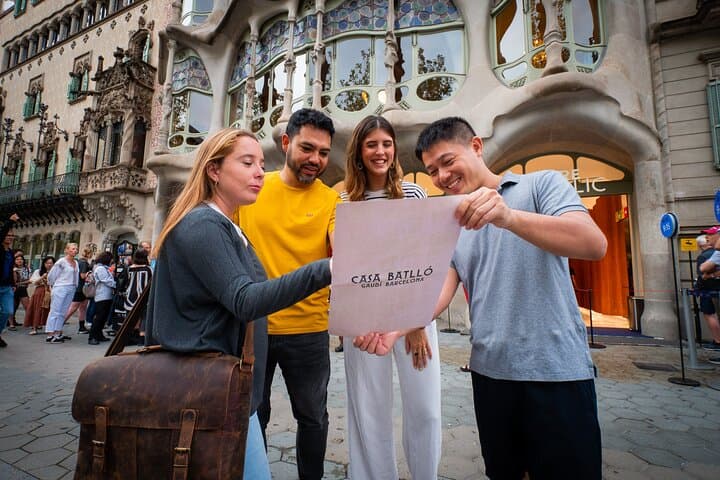
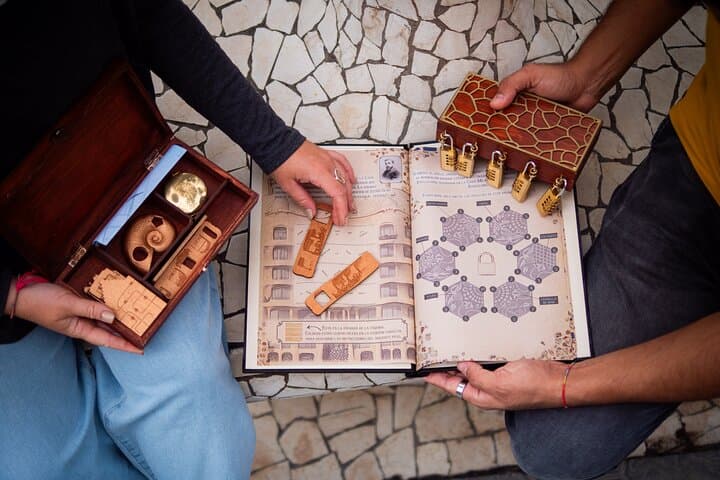
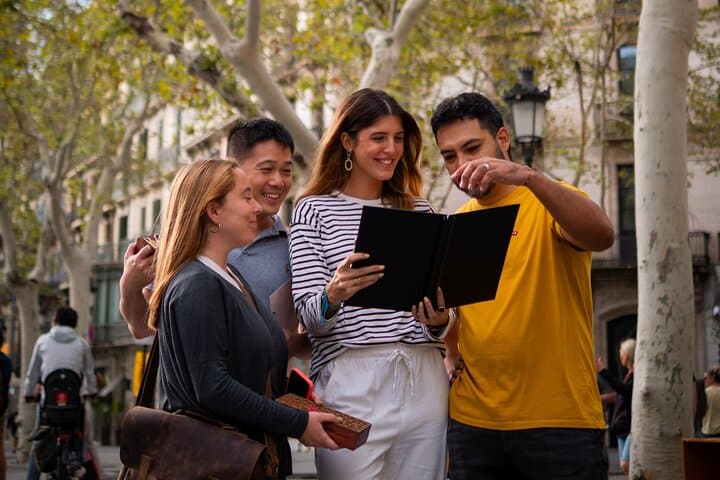
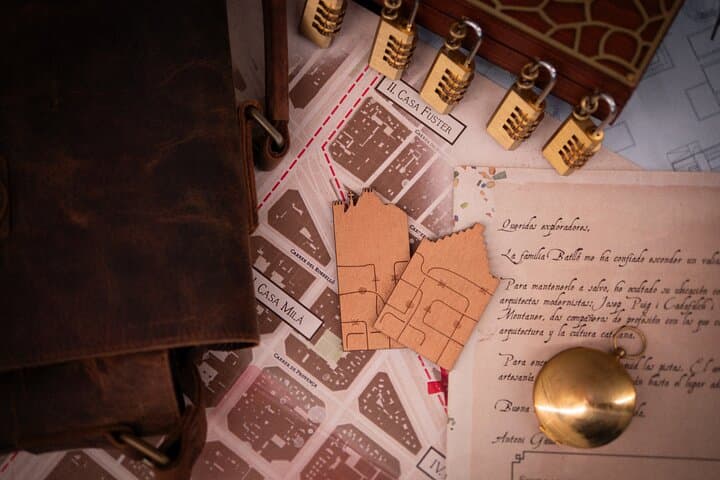
This two-hour urban escape threads you past Gaudí’s masterpieces—Casa Batlló and neighboring modernist gems—using a map, challenge book, and special tools to unlock stories embedded in stone and tile. Barcelona’s 19th-century modernisme rose from industrial growth and civic pride; architects stretched traditional Catalan craft into playful, structural experiments that still define the Eixample grid. The geology beneath is Mediterranean limestone and alluvial plains, giving façades the warm, sun-baked hues that age gracefully under the city’s light.
Culturally, the walk sits at the intersection of daily life and design: cafés spill onto sidewalks, shopkeepers sweep steps, and children weave through colonnades. The game rewards observation—look for hidden motifs, tile patterns, and sculpted details that most passersby miss.
Practical guidance: expect flat, paved streets and frequent stops to read clues—no climbing required. Bring a charged phone for maps, wear comfortable walking shoes, and plan mornings or late afternoons to avoid peak crowds on Passeig de Gràcia. The experience is family-friendly but not recommended for those with serious spinal or cardiovascular issues.
Treat the neighborhood with care—these facades are protected, and respectful photography and low-impact behavior help preserve them for the next team to uncover.
easy.
2 hours.
Light walking on paved urban streets; suitable for most fitness levels.
Meeting is typically on or near Passeig de Gràcia close to Casa Batlló; exact meeting details are provided after booking.
Yes; the game is family-friendly and designed for mixed-age teams, though younger children may need adult help with some puzzles.
Materials are commonly provided in multiple languages; confirm availability when booking to ensure your preferred language is supplied.
The route is flexible, but the experience is designed to be completed in one session of about two hours—plan breaks in cafés along the way if needed.
Barcelona’s modernisme movement in the late 19th and early 20th centuries transformed the Eixample district; Gaudí and his contemporaries blended craft and innovation to reimagine urban living.
Many façades are protected landmarks—avoid touching decorations and support local preservation by staying on sidewalks and following signage.
Casa Batllo operates guided outdoor trips and adventures with an emphasis on safety, stewardship, and memorable experiences.
You step off Passeig de Gràcia and the city rearranges itself into a puzzle: mosaic tiles glint, wrought-iron balconies lean in like curious onlookers, and the facades of modernist houses seem to whisper directions.
You step off Passeig de Gràcia and the city rearranges itself into a puzzle: mosaic tiles glint, wrought-iron balconies lean in like curious onlookers, and the facades of modernist houses seem to whisper directions.
This two-hour urban escape threads you past Gaudí’s masterpieces—Casa Batlló and neighboring modernist gems—using a map, challenge book, and special tools to unlock stories embedded in stone and tile. Barcelona’s 19th-century modernisme rose from industrial growth and civic pride; architects stretched traditional Catalan craft into playful, structural experiments that still define the Eixample grid. The geology beneath is Mediterranean limestone and alluvial plains, giving façades the warm, sun-baked hues that age gracefully under the city’s light.
Culturally, the walk sits at the intersection of daily life and design: cafés spill onto sidewalks, shopkeepers sweep steps, and children weave through colonnades. The game rewards observation—look for hidden motifs, tile patterns, and sculpted details that most passersby miss.
Practical guidance: expect flat, paved streets and frequent stops to read clues—no climbing required. Bring a charged phone for maps, wear comfortable walking shoes, and plan mornings or late afternoons to avoid peak crowds on Passeig de Gràcia. The experience is family-friendly but not recommended for those with serious spinal or cardiovascular issues.
Treat the neighborhood with care—these facades are protected, and respectful photography and low-impact behavior help preserve them for the next team to uncover.