THE ADVENTURE COLLECTIVE® · Independent discovery and booking for outdoor travel

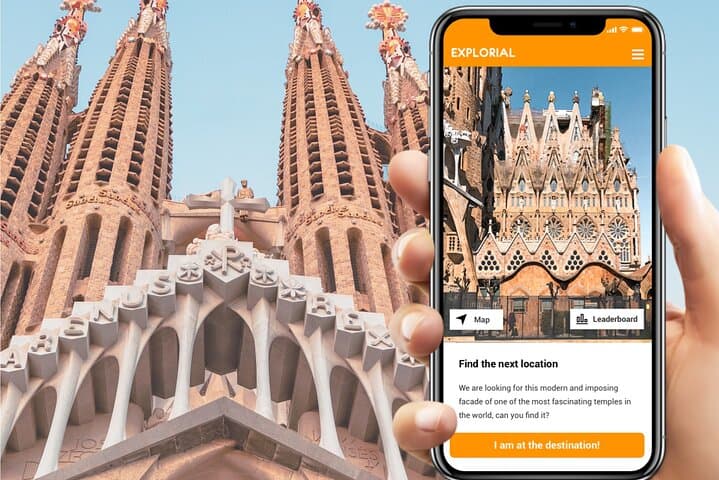
Explore Barcelona’s Modernist district at your own pace with a smartphone scavenger hunt that turns Casa Batlló, Sagrada Familia, and hidden details into clues. Solve riddles, complete photo tasks, and learn local history on a 1–2 hour walking loop.
Explore Barcelona’s Modernist district at your own pace with a smartphone scavenger hunt that turns Casa Batlló, Sagrada Familia, and hidden details into clues. Solve riddles, complete photo tasks, and learn local history on a 1–2 hour walking loop.
You step onto Passeig de Gràcia with a phone in hand and the city nudging you forward: a mosaic of tile, carved stone, and balconies breathing personality into every block. The scavenger hunt routes through Barcelona’s Modernist district—past Casa Batlló, Casa Amatller and glimpses of Sagrada Familia—turning familiar facades into puzzles that reward curiosity.
Verified experiences and guided adventures in the surrounding area.
Operated by Explorial · Barcelona, Catalonia
You step onto Passeig de Gràcia with a phone in hand and the city nudging you forward: a mosaic of tile, carved stone, and balconies breathing personality into every block. The scavenger hunt routes through Barcelona’s Modernist district—past Casa Batlló, Casa Amatller and glimpses of Sagrada Familia—turning familiar facades into puzzles that reward curiosity.
Modernisme rose here in the late 19th and early 20th centuries; architects like Gaudí and Puig i Cadafalch pushed structure and ornament into new forms, leaving streets that read like an open-air museum. Geology shows in the local stone—porous limestone and crafted brick—worked into curves and floral motifs. Culture folds into daily life: cafés spill onto sidewalks, Catalan signage sits beside Spanish, and informal markets remind you this is a lived city, not just a postcard.
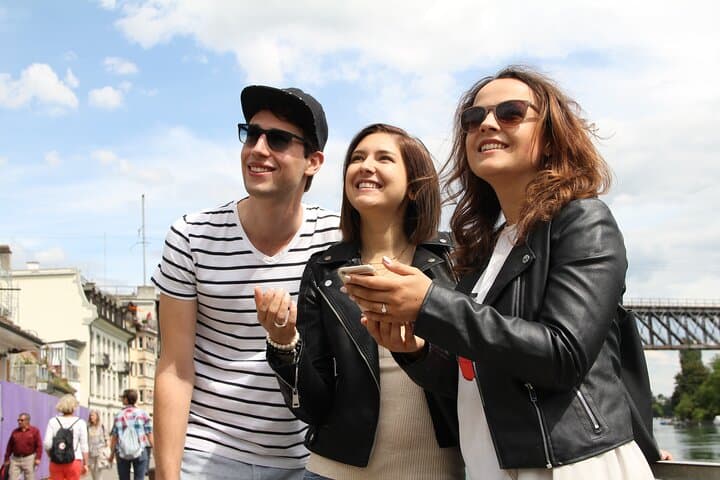
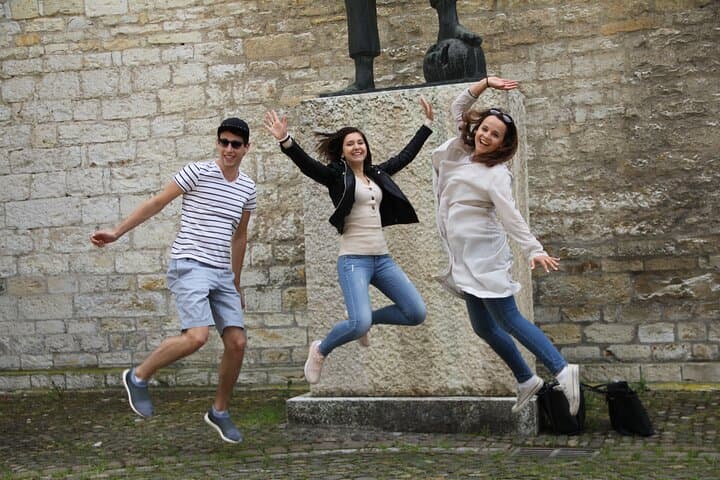
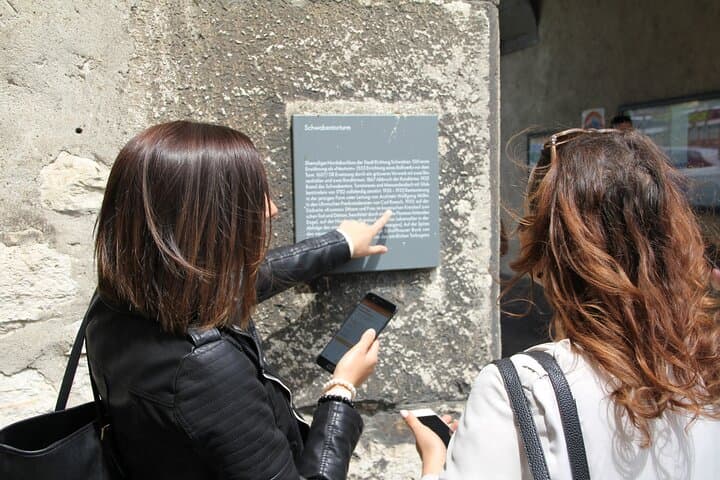
The app-led format means you control pace: clues direct you block by block, photo tasks force creative stops, and historical prompts point out details you might otherwise miss. Expect mostly flat pavement, short walking intervals, and 1–2 hours to complete an average route; map guidance reduces navigation stress but drains batteries.
Practical guidance: download the app and your route ahead of time, carry a charged phone and a compact battery, wear supportive shoes for mixed pavement, and schedule early or late to avoid peak crowds. Keep water and a lightweight jacket; Barcelona’s weather can shift quickly. This is a low-impact, low-tech way to read the city on foot—active, social, and rich with architectural surprises.
easy.
1–2 hours.
Basic walking fitness; able to cover 1–3 miles on paved surfaces
Most groups finish in 1–2 hours, but the app allows you to pause and explore longer if you prefer.
No guide or set time—after purchase you receive an access code and can begin at the listed starting point whenever it suits you.
Much of the route is on paved streets and wide sidewalks, but some areas have uneven cobbles and steps; check specific streets for accessibility before starting.
The experience offers English, Spanish, French and German, and the clues are provided in the selected language within the app.
Barcelona’s Modernist movement (Modernisme) was a local expression of Art Nouveau; patrons and architects reshaped Eixample into a showcase of artisanal stone, ironwork and ceramics.
Stick to sidewalks and designated viewing areas, avoid touching fragile façades, and respect private property and neighborhood residents to minimize visitor impact.
Explorial operates guided outdoor trips and adventures with an emphasis on safety, stewardship, and memorable experiences.
You step onto Passeig de Gràcia with a phone in hand and the city nudging you forward: a mosaic of tile, carved stone, and balconies breathing personality into every block. The scavenger hunt routes through Barcelona’s Modernist district—past Casa Batlló, Casa Amatller and glimpses of Sagrada Familia—turning familiar facades into puzzles that reward curiosity.
You step onto Passeig de Gràcia with a phone in hand and the city nudging you forward: a mosaic of tile, carved stone, and balconies breathing personality into every block. The scavenger hunt routes through Barcelona’s Modernist district—past Casa Batlló, Casa Amatller and glimpses of Sagrada Familia—turning familiar facades into puzzles that reward curiosity.
Modernisme rose here in the late 19th and early 20th centuries; architects like Gaudí and Puig i Cadafalch pushed structure and ornament into new forms, leaving streets that read like an open-air museum. Geology shows in the local stone—porous limestone and crafted brick—worked into curves and floral motifs. Culture folds into daily life: cafés spill onto sidewalks, Catalan signage sits beside Spanish, and informal markets remind you this is a lived city, not just a postcard.
The app-led format means you control pace: clues direct you block by block, photo tasks force creative stops, and historical prompts point out details you might otherwise miss. Expect mostly flat pavement, short walking intervals, and 1–2 hours to complete an average route; map guidance reduces navigation stress but drains batteries.
Practical guidance: download the app and your route ahead of time, carry a charged phone and a compact battery, wear supportive shoes for mixed pavement, and schedule early or late to avoid peak crowds. Keep water and a lightweight jacket; Barcelona’s weather can shift quickly. This is a low-impact, low-tech way to read the city on foot—active, social, and rich with architectural surprises.