THE ADVENTURE COLLECTIVE® · Independent discovery and booking for outdoor travel

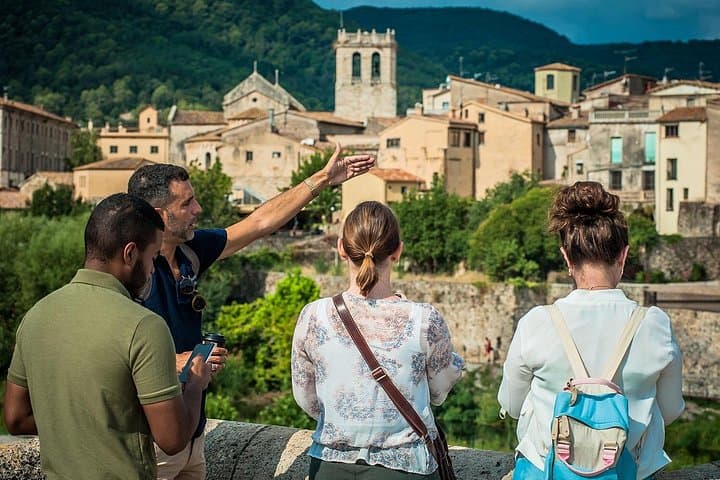
Step out of Barcelona for a full‑day small‑group tour to Besalú, Rupit and Tavertet — three well‑preserved medieval villages offering Romanesque bridges, cobbled lanes and dramatic sandstone cliffs. Expect relaxed walking, historic sites, local food options and scenic drives through El Montseny‑fringes.
Step out of Barcelona for a full‑day small‑group tour to Besalú, Rupit and Tavertet — three well‑preserved medieval villages offering Romanesque bridges, cobbled lanes and dramatic sandstone cliffs. Expect relaxed walking, historic sites, local food options and scenic drives through El Montseny‑fringes.
You leave Barcelona’s stone and glass, the city’s rhythm slowing as the bus cuts toward Catalonia’s interior. By midmorning you’re standing on Besalú’s 12th‑century bridge, its ancient arches framing the Fluvià river as if the river itself dares you to cross into another age.
Verified experiences and guided adventures in the surrounding area.
Operated by Explore Catalunya · Barcelona, Catalonia
You leave Barcelona’s stone and glass, the city’s rhythm slowing as the bus cuts toward Catalonia’s interior. By midmorning you’re standing on Besalú’s 12th‑century bridge, its ancient arches framing the Fluvià river as if the river itself dares you to cross into another age.
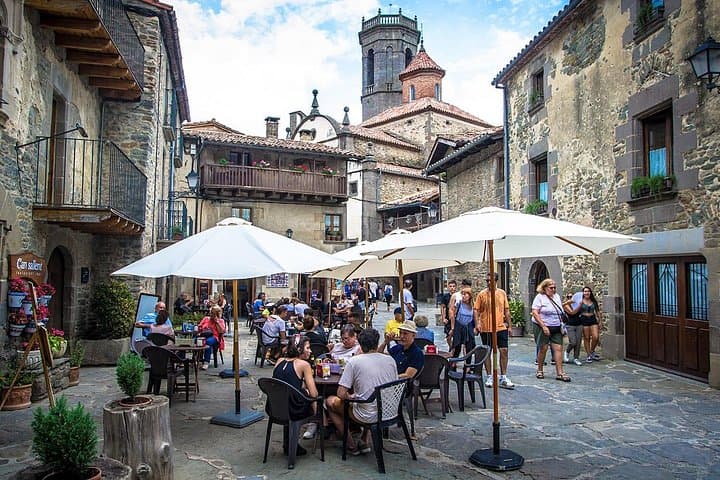
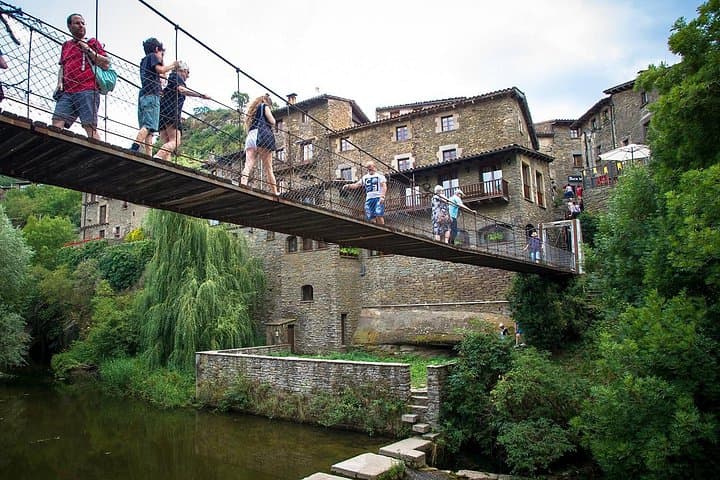
These three villages trace layers of Catalonia’s story: Besalú’s Romanesque masonry and Jewish baths speak to medieval trade and faith; Rupit’s wooden bridge and cobbled lanes echo rural life from the 16th century; Tavertet’s sandstone cliffs, worn and vertical, reveal a deep geological history shaped by erosion and lake waters below. Culture here is plain‑spoken — local markets, slow lunches, and churches that mark seasons rather than hours.
Expect narrow streets, short uphill sections, and plenty of stairs; the pace is relaxed but the surfaces demand steady shoes. Guides point out the basalt precipice at Castellfollit de la Roca and explain how centuries of human habitation adapted to steep rock and limited arable land. Conversation often drifts to local food traditions — embutidos, stewed vegetables and farmhouse cheeses — and to the biosphere pockets and forests you’ll pass on the return drive.
Practical notes: tours run about 10½ hours, include pick‑up/drop‑off and an English guide, but lunch is at your expense. Bring water, a light rain layer, and cash for small cafes. Aim for an early start to avoid afternoon crowds in the villages and leave room in your itinerary for a slow coffee; that’s where the place reveals itself.
easy.
10–11 hours.
Suitable for travelers in light to moderate fitness — expect walking on uneven terrain and short climbs
The tour runs about 10½ hours and includes pick‑up/drop‑off, an English guide, transportation and commentary; lunch and admissions are typically at your expense.
Yes — the itinerary is classified as easy with short walks; however, expect uneven cobblestones and some stairs, so mobility considerations should be noted when booking.
Guides can recommend restaurants and often make reservations, but you should communicate dietary needs when booking so they can choose suitable options.
This specific tour operates only in English according to the operator’s listing.
These villages grew around medieval trade routes and defensive positions; Besalú was an important local hub with a documented Jewish quarter, while Rupit and Tavertet developed as agrarian and defensive settlements.
Visitors pass near protected natural areas like parts of El Montseny biosphere; stick to paths, avoid disturbing nesting birds and support local businesses to reduce ecological impact.
Explore Catalunya operates guided outdoor trips and adventures with an emphasis on safety, stewardship, and memorable experiences.
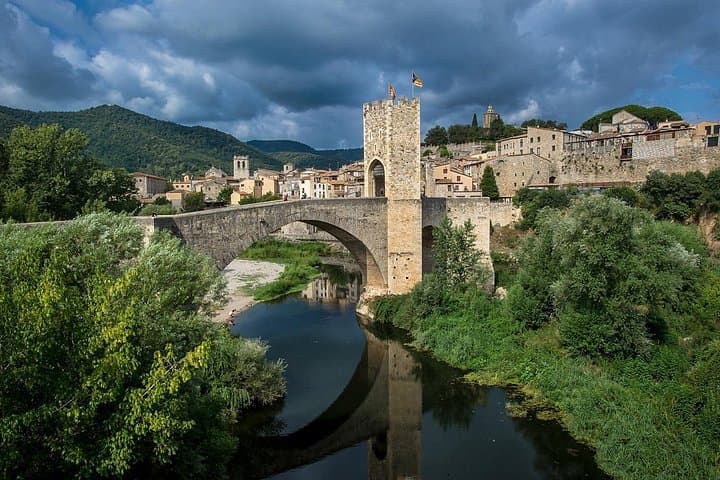
You leave Barcelona’s stone and glass, the city’s rhythm slowing as the bus cuts toward Catalonia’s interior. By midmorning you’re standing on Besalú’s 12th‑century bridge, its ancient arches framing the Fluvià river as if the river itself dares you to cross into another age.
You leave Barcelona’s stone and glass, the city’s rhythm slowing as the bus cuts toward Catalonia’s interior. By midmorning you’re standing on Besalú’s 12th‑century bridge, its ancient arches framing the Fluvià river as if the river itself dares you to cross into another age.
These three villages trace layers of Catalonia’s story: Besalú’s Romanesque masonry and Jewish baths speak to medieval trade and faith; Rupit’s wooden bridge and cobbled lanes echo rural life from the 16th century; Tavertet’s sandstone cliffs, worn and vertical, reveal a deep geological history shaped by erosion and lake waters below. Culture here is plain‑spoken — local markets, slow lunches, and churches that mark seasons rather than hours.
Expect narrow streets, short uphill sections, and plenty of stairs; the pace is relaxed but the surfaces demand steady shoes. Guides point out the basalt precipice at Castellfollit de la Roca and explain how centuries of human habitation adapted to steep rock and limited arable land. Conversation often drifts to local food traditions — embutidos, stewed vegetables and farmhouse cheeses — and to the biosphere pockets and forests you’ll pass on the return drive.
Practical notes: tours run about 10½ hours, include pick‑up/drop‑off and an English guide, but lunch is at your expense. Bring water, a light rain layer, and cash for small cafes. Aim for an early start to avoid afternoon crowds in the villages and leave room in your itinerary for a slow coffee; that’s where the place reveals itself.