THE ADVENTURE COLLECTIVE® · Independent discovery and booking for outdoor travel

Walk Barcelona’s markets with a chef-guide: taste Boqueria and Santa Caterina stalls, learn ingredient stories, then move to classic tapas bars. This four-hour itinerary pairs market lore with practical tasting tips.
Walk Barcelona’s markets with a chef-guide: taste Boqueria and Santa Caterina stalls, learn ingredient stories, then move to classic tapas bars. This four-hour itinerary pairs market lore with practical tasting tips.
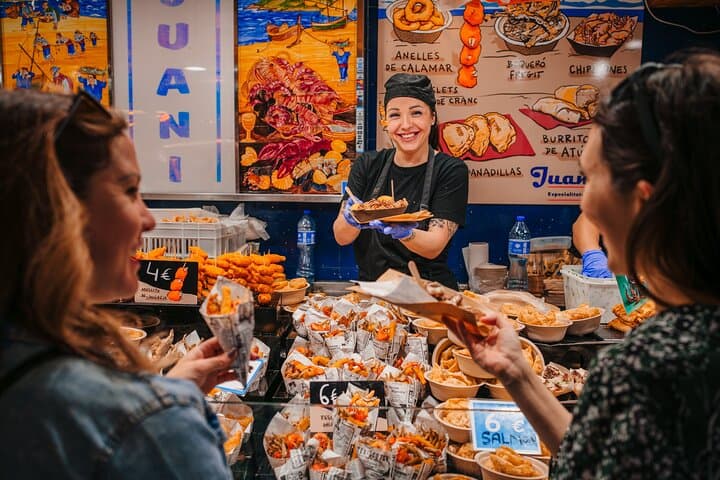
The morning unfurls along La Rambla: sun glints off citrus stalls, fish scales flash at the Boqueria, and the aroma of frying garlic threads through narrow streets as a chef-guide leads you into the city's pulse.
Verified experiences and guided adventures in the surrounding area.
Operated by BARCELONA BEST EXPERIENCES · Barcelona, Catalonia
The morning unfurls along La Rambla: sun glints off citrus stalls, fish scales flash at the Boqueria, and the aroma of frying garlic threads through narrow streets as a chef-guide leads you into the city's pulse.
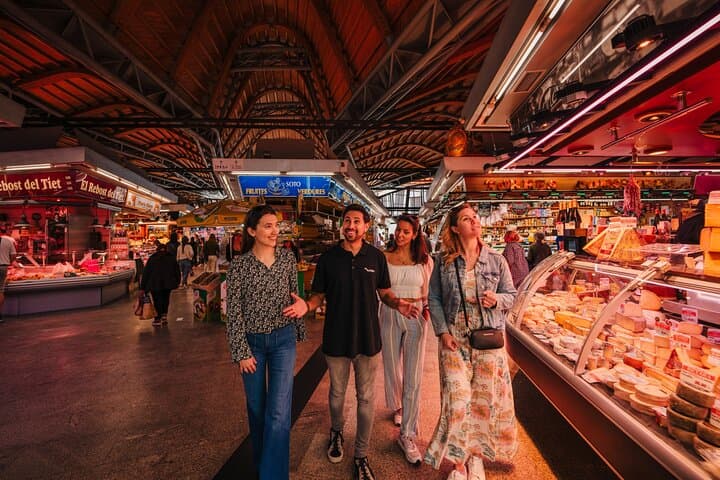
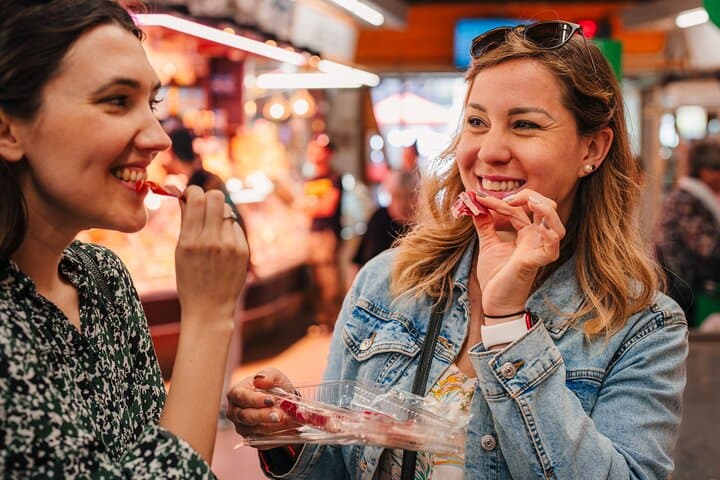
Start among booths piled high with heritage produce and conversation—vendors call out cuts of jamón and baskets of mató cheese—as the guide explains provenance and Catalonia’s regional ingredients. The route moves between the historic Boqueria and the steel-and-tile canopy of Santa Caterina, then spills into small tapas bars where plates arrive in rhythmic succession: gambas al ajillo, anchovies cured in olive oil, and slices of membrillo with Manchego.
Barcelona’s markets grew from medieval open-air stalls into the formal 19th-century markets you see today; Santa Caterina’s colorful roof is a modern renovation perched atop older structures. Geology matters here too—coastal seafood reflects Mediterranean waters, while inland produce follows Catalonia’s varied microclimates.
Practical guidance is straightforward: this is a walking, tasting-focused experience lasting about four hours, suitable for most fitness levels but busiest midday. Carry a small daypack, a reusable water bottle, and any allergy notes in Spanish or English. Wear comfortable shoes for cobbled streets and be ready to stand and stroll between stops.
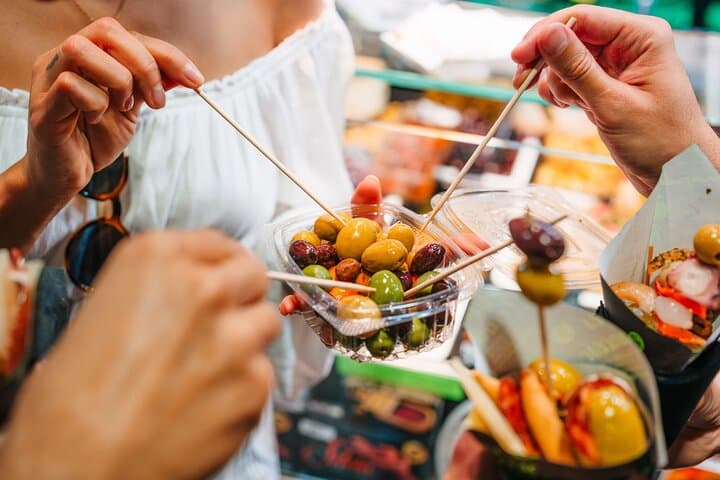
Plan to arrive hungry, expect savory-first portions rather than full meals, and leave space for one or two favorite discoveries—an artisan olive or a jamón stand worth returning to after the tour.
easy.
3–4 hours.
Light walking on flat and cobbled streets; suitable for most fitness levels
Most groups meet near the main entrance of Mercat de la Boqueria on La Rambla; confirmation will include exact meeting point.
Yes—notify dietary restrictions at booking and again to the guide so tastings can be adapted.
Expect a mix: market stall tastings are usually standing, while tapas bars provide some seated stops for comfort.
Tastings listed in the itinerary are included; additional purchases at stalls are at your expense.
Barcelona’s covered markets evolved from medieval open-air trade; Boqueria formalized in the 19th century while Santa Caterina received a modern roof renovation in 2005 by Enric Miralles.
Markets and many vendors promote sustainable seafood choices and reducing single-use plastics—bring a reusable bag and bottle to support those efforts.
BARCELONA BEST EXPERIENCES operates guided outdoor trips and adventures with an emphasis on safety, stewardship, and memorable experiences.
The morning unfurls along La Rambla: sun glints off citrus stalls, fish scales flash at the Boqueria, and the aroma of frying garlic threads through narrow streets as a chef-guide leads you into the city's pulse.
The morning unfurls along La Rambla: sun glints off citrus stalls, fish scales flash at the Boqueria, and the aroma of frying garlic threads through narrow streets as a chef-guide leads you into the city's pulse.
Start among booths piled high with heritage produce and conversation—vendors call out cuts of jamón and baskets of mató cheese—as the guide explains provenance and Catalonia’s regional ingredients. The route moves between the historic Boqueria and the steel-and-tile canopy of Santa Caterina, then spills into small tapas bars where plates arrive in rhythmic succession: gambas al ajillo, anchovies cured in olive oil, and slices of membrillo with Manchego.
Barcelona’s markets grew from medieval open-air stalls into the formal 19th-century markets you see today; Santa Caterina’s colorful roof is a modern renovation perched atop older structures. Geology matters here too—coastal seafood reflects Mediterranean waters, while inland produce follows Catalonia’s varied microclimates.
Practical guidance is straightforward: this is a walking, tasting-focused experience lasting about four hours, suitable for most fitness levels but busiest midday. Carry a small daypack, a reusable water bottle, and any allergy notes in Spanish or English. Wear comfortable shoes for cobbled streets and be ready to stand and stroll between stops.
Plan to arrive hungry, expect savory-first portions rather than full meals, and leave space for one or two favorite discoveries—an artisan olive or a jamón stand worth returning to after the tour.