THE ADVENTURE COLLECTIVE® · Independent discovery and booking for outdoor travel

Walk past centuries in two hours: this guided tour threads the Gothic Quarter and El Born with lesser-known stories—cursed bridges, Picasso’s haunts, and secret murals. Ideal for first-time visitors who want the real Barcelona beyond the postcards.
Walk past centuries in two hours: this guided tour threads the Gothic Quarter and El Born with lesser-known stories—cursed bridges, Picasso’s haunts, and secret murals. Ideal for first-time visitors who want the real Barcelona beyond the postcards.
You step off a sun-warmed tile and the alley narrows; the city presses close with carved stone, shutters, and the faint perfume of espresso and frying garlic. Cobblestones guide you through a tangle of Gothic arches and modern murals, and the guide’s voice threads legends into real addresses — cursed bridges, revolutionary cafés, and Picasso’s first streets.
Verified experiences and guided adventures in the surrounding area.
Operated by Side Routes · Barcelona, Catalonia
You step off a sun-warmed tile and the alley narrows; the city presses close with carved stone, shutters, and the faint perfume of espresso and frying garlic. Cobblestones guide you through a tangle of Gothic arches and modern murals, and the guide’s voice threads legends into real addresses — cursed bridges, revolutionary cafés, and Picasso’s first streets.
Barcelona’s heart grew where Roman grid met medieval sprawl. The Gothic Quarter still wears that layered history: Roman foundations under medieval churches, El Born’s narrow lanes that birthed craft guilds, and Palau Güell’s early modernism pointing toward Gaudí’s later experiments. Geologically the city sits on a coastal plain between the Mediterranean and the Collserola ridge; that proximity explains the light, the breeze, and why the port shaped its trade and culture for centuries.
Culture here is tactile — Catalan and Spanish names on street signs, tapas bars where conversations spill into plazas, and public squares that have long been stages for political and artistic life. Local guides blend archival fact with oral color, revealing how art and rebellion share the same sidewalks.
Practical guidance: this two-hour walking tour covers 10+ stops across mostly flat, paved streets with some cobbles and tight stairways. Wear sturdy walking shoes, bring water and sun protection, and set aside early morning or late afternoon to avoid peak crowds and heat. Keep a photocopy of valuables and a small daypack; narrow lanes can get busy. Expect frequent photo stops, short historical talks at plazas, and opportunities to ask about food, architecture, and Barcelona’s modern identity.
easy.
2 hours.
Suitable for most fitness levels; requires standing and walking on uneven cobbles for up to two hours.
Tours are typically led in English; check the booking page for other language options or private-tour availability.
The listed meeting point is near the Monumento Homenaje a Picasso—confirm exact coordinates and a nearby landmark in your booking confirmation.
Some streets have uneven cobbles and narrow passages; while short sections are accessible, full wheelchair access may be limited—contact the operator for specifics.
Yes—this is family-friendly and suitable for older children who can walk for two hours; strollers are usable in many sections but expect occasional steps.
Barcelona’s Gothic Quarter overlays Roman city walls and expanded through medieval guilds; the 19th–20th century saw artists like Picasso shape the city’s modern identity.
Walking tours have a low carbon footprint but do impact fragile historic streets—respect signage, avoid leaning on ancient stonework, and support local businesses to keep neighborhoods resilient.
Side Routes operates guided outdoor trips and adventures with an emphasis on safety, stewardship, and memorable experiences.
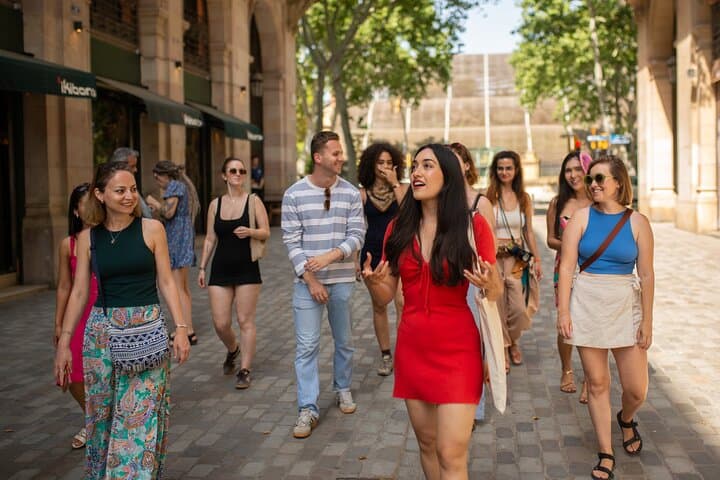
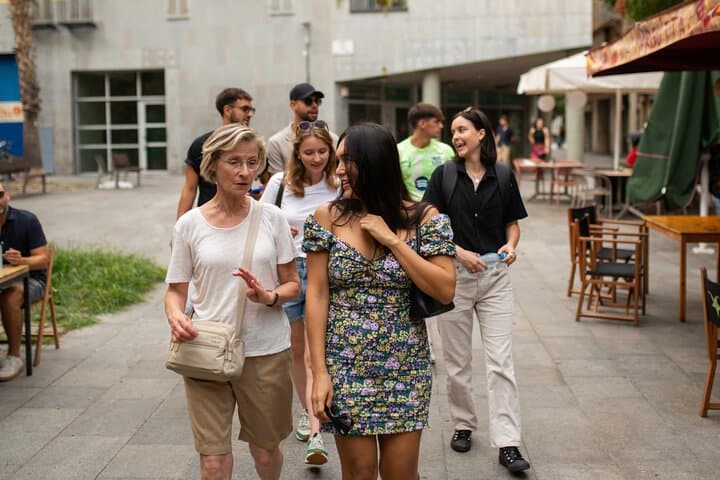
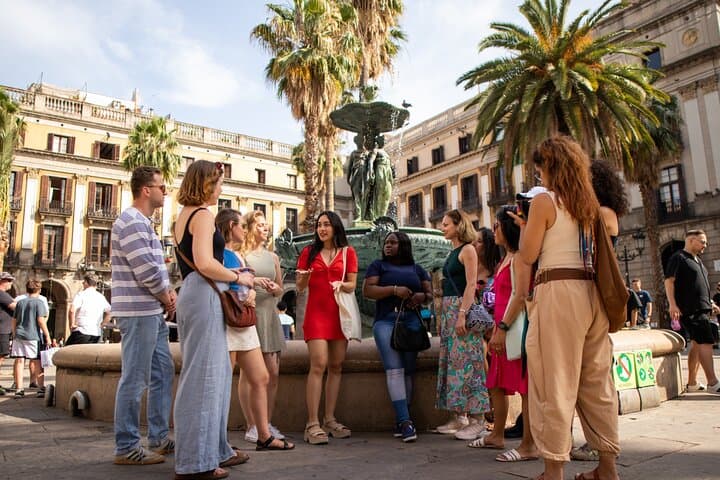
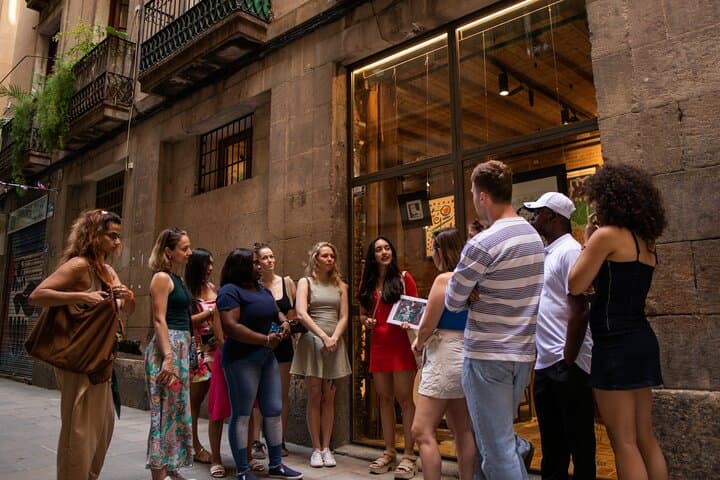
You step off a sun-warmed tile and the alley narrows; the city presses close with carved stone, shutters, and the faint perfume of espresso and frying garlic. Cobblestones guide you through a tangle of Gothic arches and modern murals, and the guide’s voice threads legends into real addresses — cursed bridges, revolutionary cafés, and Picasso’s first streets.
You step off a sun-warmed tile and the alley narrows; the city presses close with carved stone, shutters, and the faint perfume of espresso and frying garlic. Cobblestones guide you through a tangle of Gothic arches and modern murals, and the guide’s voice threads legends into real addresses — cursed bridges, revolutionary cafés, and Picasso’s first streets.
Barcelona’s heart grew where Roman grid met medieval sprawl. The Gothic Quarter still wears that layered history: Roman foundations under medieval churches, El Born’s narrow lanes that birthed craft guilds, and Palau Güell’s early modernism pointing toward Gaudí’s later experiments. Geologically the city sits on a coastal plain between the Mediterranean and the Collserola ridge; that proximity explains the light, the breeze, and why the port shaped its trade and culture for centuries.
Culture here is tactile — Catalan and Spanish names on street signs, tapas bars where conversations spill into plazas, and public squares that have long been stages for political and artistic life. Local guides blend archival fact with oral color, revealing how art and rebellion share the same sidewalks.
Practical guidance: this two-hour walking tour covers 10+ stops across mostly flat, paved streets with some cobbles and tight stairways. Wear sturdy walking shoes, bring water and sun protection, and set aside early morning or late afternoon to avoid peak crowds and heat. Keep a photocopy of valuables and a small daypack; narrow lanes can get busy. Expect frequent photo stops, short historical talks at plazas, and opportunities to ask about food, architecture, and Barcelona’s modern identity.