THE ADVENTURE COLLECTIVE® · Independent discovery and booking for outdoor travel

Step off La Rambla and into a small studio where the room answers every stamp and clap. This one-hour flamenco class teaches core rhythms and basic footwork — ideal for first-timers who want to move beyond watching and start dancing.
Step off La Rambla and into a small studio where the room answers every stamp and clap. This one-hour flamenco class teaches core rhythms and basic footwork — ideal for first-timers who want to move beyond watching and start dancing.
A warm room hums with clapping and breath; tile sunlight from a narrow window slices across a worn wooden floor as the instructor counts out the compás. In Barcelona, a one-hour flamenco class drops you straight into that pulse — short, intense, and focused on the basics: palmas (hand clapping), brazo (arm) shapes, and the heel-toe zapateado that marks the genre.
Verified experiences and guided adventures in the surrounding area.
Operated by MADride Travel · Barcelona, Catalonia
A warm room hums with clapping and breath; tile sunlight from a narrow window slices across a worn wooden floor as the instructor counts out the compás. In Barcelona, a one-hour flamenco class drops you straight into that pulse — short, intense, and focused on the basics: palmas (hand clapping), brazo (arm) shapes, and the heel-toe zapateado that marks the genre.
Flamenco’s roots lie in Andalusia with influences from Roma, Moorish, and Iberian cultures, but Barcelona has its own history as a receptive stage — sailors and migrants brought new rhythms to the Mediterranean port city. Geology and cityscape matter here too: the studio experience often sits within old Eixample or Gothic quarter blocks built on coastal terraces carved by the Llobregat and Besòs rivers, giving lessons an urban, sunlit character rather than a rural atmosphere.
Expect a mix of cultural briefing and hands-on practice. Instructors will demonstrate posture, timing, and simple foot patterns, then guide you through short combinations designed for beginners. Classes are private or small-group, so feedback is immediate.
Practical guidance: wear flexible shoes with a defined heel (not running shoes), bring water, and arrive 10 minutes early to warm up. Mention any mobility, back, or heart issues when booking — teachers adapt steps, but per the provider the class isn’t recommended for spinal or serious cardiovascular conditions. The meeting point may vary by studio; organizers confirm details by WhatsApp. One hour is enough to feel the rhythm and leave with techniques you can practice back home.
easy.
1 hour.
Suitable for people with basic mobility and general fitness; little prior dance experience required.
No. The one-hour class is designed for beginners and focuses on basic rhythm, arm positions, clapping, and simple footwork.
The exact studio varies; organizers will confirm the precise address via WhatsApp before the class. Aim to arrive 10 minutes early.
The class is physically easy but not recommended for those with spinal injuries or serious heart conditions; ask the operator about age policies for minors.
Yes — the provider may take photos or videos for promotional use; participants should mention any objections in advance.
Flamenco developed in southern Spain but found enthusiastic audiences in Barcelona’s port neighborhoods from the 19th century onward as performers and visitors crossed regions.
Cultural conservation here focuses on preserving live performance spaces and supporting small studios; travel light and respect noise rules in residential neighborhoods.
MADride Travel operates guided outdoor trips and adventures with an emphasis on safety, stewardship, and memorable experiences.
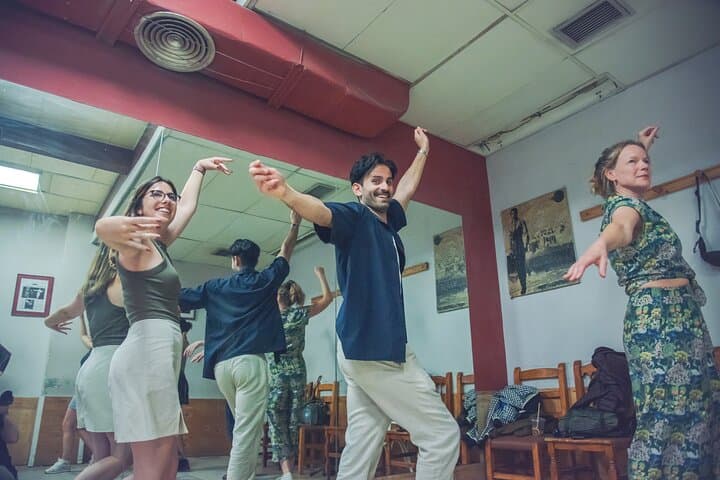
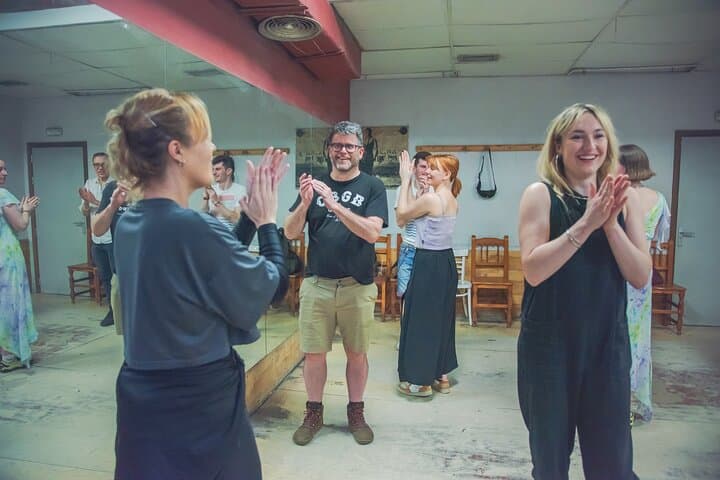
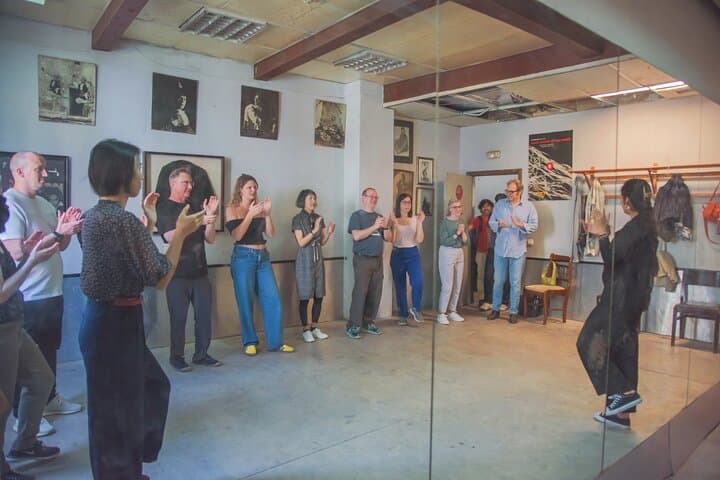
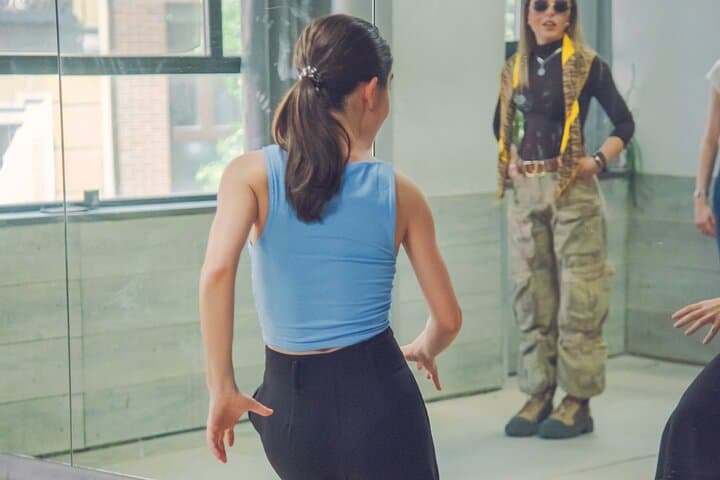
A warm room hums with clapping and breath; tile sunlight from a narrow window slices across a worn wooden floor as the instructor counts out the compás. In Barcelona, a one-hour flamenco class drops you straight into that pulse — short, intense, and focused on the basics: palmas (hand clapping), brazo (arm) shapes, and the heel-toe zapateado that marks the genre.
A warm room hums with clapping and breath; tile sunlight from a narrow window slices across a worn wooden floor as the instructor counts out the compás. In Barcelona, a one-hour flamenco class drops you straight into that pulse — short, intense, and focused on the basics: palmas (hand clapping), brazo (arm) shapes, and the heel-toe zapateado that marks the genre.
Flamenco’s roots lie in Andalusia with influences from Roma, Moorish, and Iberian cultures, but Barcelona has its own history as a receptive stage — sailors and migrants brought new rhythms to the Mediterranean port city. Geology and cityscape matter here too: the studio experience often sits within old Eixample or Gothic quarter blocks built on coastal terraces carved by the Llobregat and Besòs rivers, giving lessons an urban, sunlit character rather than a rural atmosphere.
Expect a mix of cultural briefing and hands-on practice. Instructors will demonstrate posture, timing, and simple foot patterns, then guide you through short combinations designed for beginners. Classes are private or small-group, so feedback is immediate.
Practical guidance: wear flexible shoes with a defined heel (not running shoes), bring water, and arrive 10 minutes early to warm up. Mention any mobility, back, or heart issues when booking — teachers adapt steps, but per the provider the class isn’t recommended for spinal or serious cardiovascular conditions. The meeting point may vary by studio; organizers confirm details by WhatsApp. One hour is enough to feel the rhythm and leave with techniques you can practice back home.