THE ADVENTURE COLLECTIVE® · Independent discovery and booking for outdoor travel

Save time and money while seeing Barcelona’s essentials: Gaudí houses, Montjuïc cable car, hop-on hop-off bus and more. This practical guide explains what the City Card covers, when to prebook, and how to plan a relaxed multi-day visit.
Save time and money while seeing Barcelona’s essentials: Gaudí houses, Montjuïc cable car, hop-on hop-off bus and more. This practical guide explains what the City Card covers, when to prebook, and how to plan a relaxed multi-day visit.
The harbor breeze hits first—salty, insistent—pushing you toward the waterfront where the Columbus monument points like a compass. With a Barcelona City Card in hand, the city opens like a map of reachable curiosities: Gaudí roofs, museum galleries, a cable car that claws up Montjuïc, and a hop-on hop-off bus that threads them together.
Verified experiences and guided adventures in the surrounding area.
Operated by Turbopass GmbH · Barcelona, Catalonia
The harbor breeze hits first—salty, insistent—pushing you toward the waterfront where the Columbus monument points like a compass. With a Barcelona City Card in hand, the city opens like a map of reachable curiosities: Gaudí roofs, museum galleries, a cable car that claws up Montjuïc, and a hop-on hop-off bus that threads them together.
Barcelona’s streets are a record of industry and invention. Medieval alleys of the Gothic Quarter sit shoulder-to-shoulder with Catalan modernism; Gaudí’s curved stone and ceramic work rose from 19th-century ambition and a regional boom fueled by trade. Geologically the coastline is a gentle edge of the Catalan Coastal Range where hills meet the Mediterranean, giving you both beach-front promenades and city viewpoints carved into volcanic and sedimentary terraces.
Culture here is public and performative: plazas host markets, tapas bars stage conversations, and Barcelona’s football history lives in museums and local devotion. Local insight: explore beyond Passeig de Gràcia—Gràcia neighborhood offers quiet plazas and independent cafés; Colonia Güell’s crypt rewards those who follow the rails out of town.
Practical guidance: activate the digital pass for your intended date, prebook high-demand attractions, and plan a mix of walking and public transport—your pass may include transit. Time your Montjuïc cable car for late afternoon light, carry a reusable bottle, and expect heavy foot traffic at peak hours. The card condenses logistics so you can move deliberately through the city’s layers rather than sprinting between highlights.
easy.
1–5 days.
Minimal fitness required; expect several hours of walking across cobbled streets and stairs over multiple days
Validity depends on the pass option you choose—commonly from 1 day up to several days; activate your pass on the date you intend to start using it.
Some high-demand sites require time-slot reservations—use the booking app included with your pass to reserve those slots in advance.
Public transport is optional with some card packages; check your selected pass and activate the transit ticket if it’s part of your booking.
You can cancel for a full refund if done at least 24 hours before activation per the provider’s standard policy; check your confirmation for specifics.
Barcelona’s modernist era—especially Gaudí’s work—grew from late-19th century industrial wealth and urban expansion, leaving multiple UNESCO-listed sites in the city core.
High visitor numbers strain popular sites; use public transport, stick to marked paths in heritage sites, and prebook to reduce crowding and resource pressure.
Turbopass GmbH operates guided outdoor trips and adventures with an emphasis on safety, stewardship, and memorable experiences.
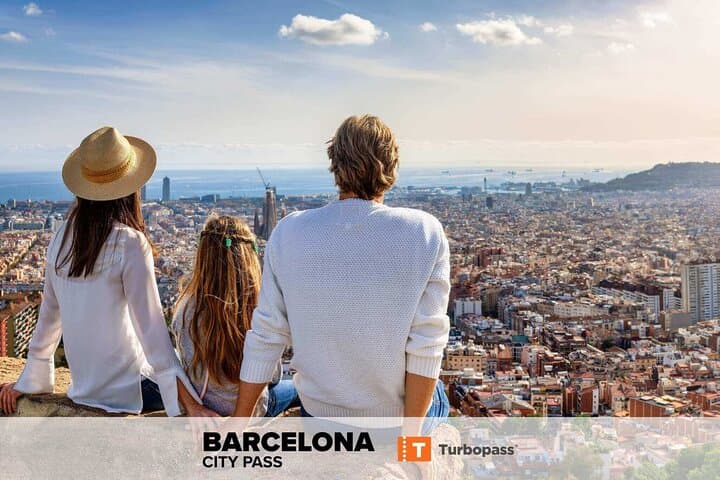
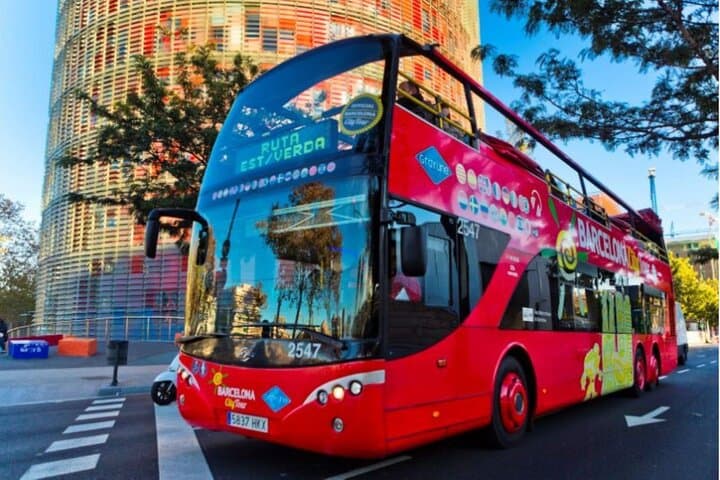
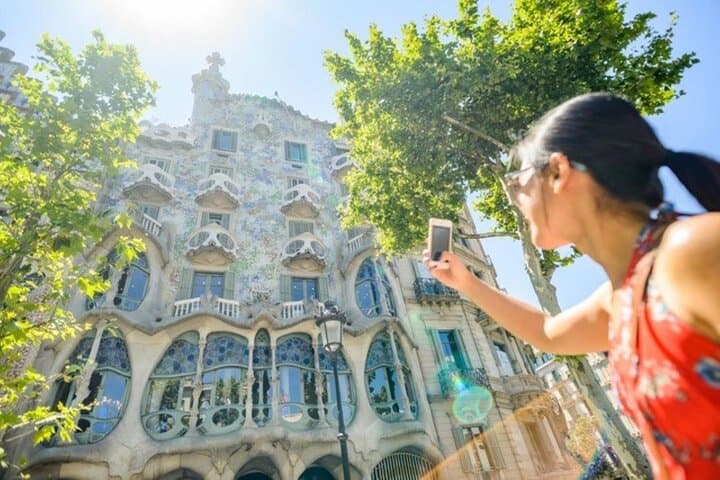
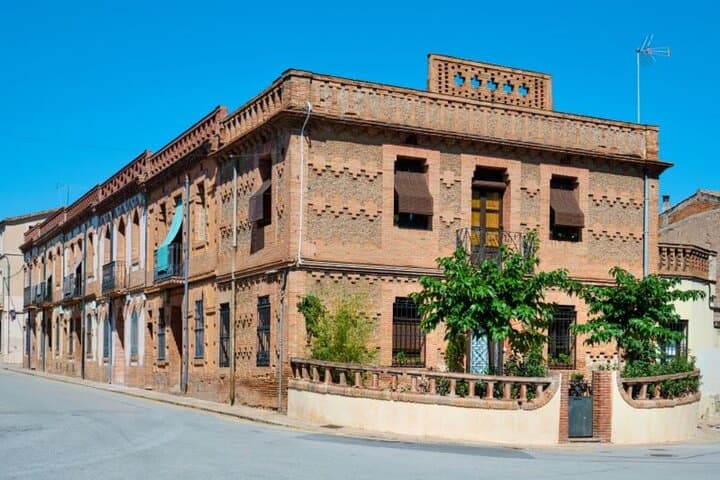
The harbor breeze hits first—salty, insistent—pushing you toward the waterfront where the Columbus monument points like a compass. With a Barcelona City Card in hand, the city opens like a map of reachable curiosities: Gaudí roofs, museum galleries, a cable car that claws up Montjuïc, and a hop-on hop-off bus that threads them together.
The harbor breeze hits first—salty, insistent—pushing you toward the waterfront where the Columbus monument points like a compass. With a Barcelona City Card in hand, the city opens like a map of reachable curiosities: Gaudí roofs, museum galleries, a cable car that claws up Montjuïc, and a hop-on hop-off bus that threads them together.
Barcelona’s streets are a record of industry and invention. Medieval alleys of the Gothic Quarter sit shoulder-to-shoulder with Catalan modernism; Gaudí’s curved stone and ceramic work rose from 19th-century ambition and a regional boom fueled by trade. Geologically the coastline is a gentle edge of the Catalan Coastal Range where hills meet the Mediterranean, giving you both beach-front promenades and city viewpoints carved into volcanic and sedimentary terraces.
Culture here is public and performative: plazas host markets, tapas bars stage conversations, and Barcelona’s football history lives in museums and local devotion. Local insight: explore beyond Passeig de Gràcia—Gràcia neighborhood offers quiet plazas and independent cafés; Colonia Güell’s crypt rewards those who follow the rails out of town.
Practical guidance: activate the digital pass for your intended date, prebook high-demand attractions, and plan a mix of walking and public transport—your pass may include transit. Time your Montjuïc cable car for late afternoon light, carry a reusable bottle, and expect heavy foot traffic at peak hours. The card condenses logistics so you can move deliberately through the city’s layers rather than sprinting between highlights.