THE ADVENTURE COLLECTIVE® · Independent discovery and booking for outdoor travel

A compact 5 km walking tour from Arc de Triomf to Barceloneta that explores Parc de la Ciutadella, buildings from the 1888 Universal Exposition, Roman remains, and seafront views. Ideal for travelers who want a two-hour primer on Barcelona’s urban history with plenty of photo stops.
A compact 5 km walking tour from Arc de Triomf to Barceloneta that explores Parc de la Ciutadella, buildings from the 1888 Universal Exposition, Roman remains, and seafront views. Ideal for travelers who want a two-hour primer on Barcelona’s urban history with plenty of photo stops.
Standing beneath the red-brick Arc de Triomf, the city exhales: traffic recedes, palm-lined promenades widen, and the march toward Parc de la Ciutadella unfurls.
Verified experiences and guided adventures in the surrounding area.
Operated by BARCELONA HORIZON TOURS · Barcelona, Catalonia
Standing beneath the red-brick Arc de Triomf, the city exhales: traffic recedes, palm-lined promenades widen, and the march toward Parc de la Ciutadella unfurls.
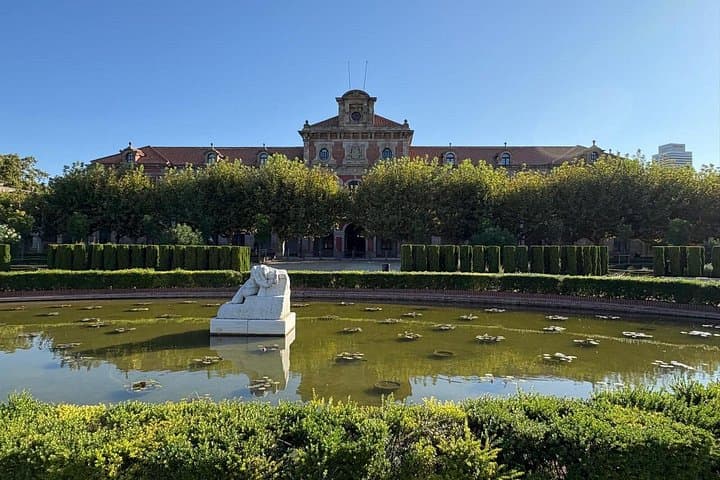
This two-hour, 5 km (3 mi) small-group walk threads through layers of Barcelona’s past — a 13th-century citadel site reshaped after 1714 into a military fortress, then reborn for the 1888 Universal Exposition. Guides pause at fountains and entryways built for the fair, lead visitors into three notable buildings from the exposition era, and point out Roman-era remains tucked against modern facades.
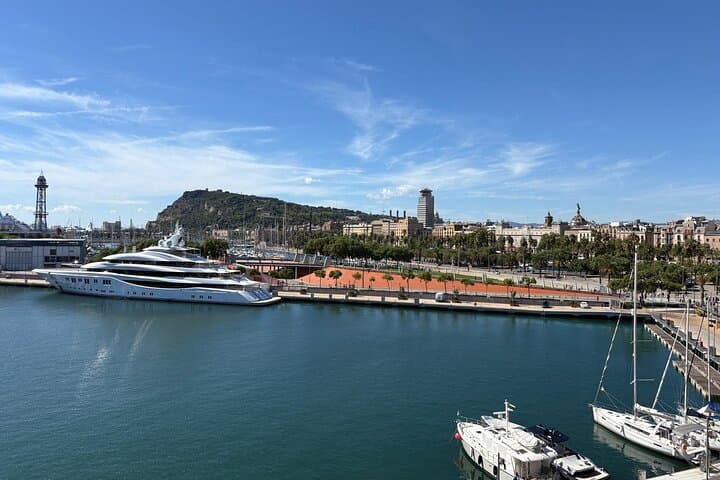
Geology is subtle here: the flat coastal plain opens views toward the Mediterranean and reveals the city’s human-made contours rather than dramatic rock. Cultural notes arrive in the details — Modernisme ornamentation, industrial-revolution warehouses repurposed as galleries, and the quiet coexistence of street life and landscaped lawns.
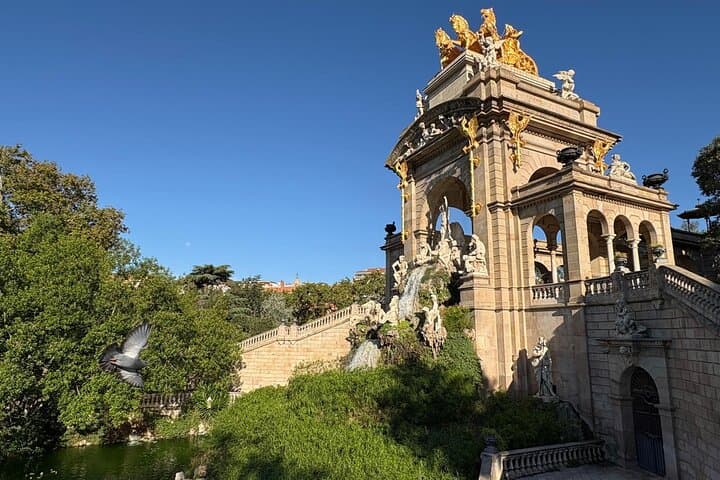
Expect panoramic photo stops, a visit to the Cascada and Castell dels Tres Dragons, and a final stretch toward Barceloneta metro. The pace is moderate with some paved paths and short stair sections; comfortable shoes and a loaded phone for photos are practical choices.
Timing matters — mornings bring softer light and fewer crowds; late afternoons highlight golden stonework. Keep water, mind personal belongings in busy areas, and allocate 2 hours plus time if you want café breaks or to linger at viewpoints. This walk favors travelers curious about urban history who want a compact, sensory tour of one of Barcelona’s most revealing public spaces.
moderate.
2 hours.
Moderate fitness — able to walk 5 km/3 mi over paved paths with brief stair sections
The meeting point is the Arc de Triomf (built for the 1888 Expo); the tour finishes near the Barceloneta subway station for easy transit connections.
Children in good walking shape can join, but the tour is not recommended for people with mobility problems due to stairs and uneven surfaces.
Tour language depends on the provider’s schedule; check the booking page for available language options before you reserve.
The itinerary includes entry to three buildings where access is permitted; some interiors depend on opening hours and may be viewed from exterior or public areas.
Parc de la Ciutadella sits on a former 18th-century military citadel and was transformed for the 1888 Universal Exposition, which left key buildings and landscaping.
Stay on designated paths, avoid climbing on historic structures, and carry out any trash; protecting the park’s trees and monuments preserves the site for future visitors.
BARCELONA HORIZON TOURS operates guided outdoor trips and adventures with an emphasis on safety, stewardship, and memorable experiences.
Standing beneath the red-brick Arc de Triomf, the city exhales: traffic recedes, palm-lined promenades widen, and the march toward Parc de la Ciutadella unfurls.
Standing beneath the red-brick Arc de Triomf, the city exhales: traffic recedes, palm-lined promenades widen, and the march toward Parc de la Ciutadella unfurls.
This two-hour, 5 km (3 mi) small-group walk threads through layers of Barcelona’s past — a 13th-century citadel site reshaped after 1714 into a military fortress, then reborn for the 1888 Universal Exposition. Guides pause at fountains and entryways built for the fair, lead visitors into three notable buildings from the exposition era, and point out Roman-era remains tucked against modern facades.
Geology is subtle here: the flat coastal plain opens views toward the Mediterranean and reveals the city’s human-made contours rather than dramatic rock. Cultural notes arrive in the details — Modernisme ornamentation, industrial-revolution warehouses repurposed as galleries, and the quiet coexistence of street life and landscaped lawns.
Expect panoramic photo stops, a visit to the Cascada and Castell dels Tres Dragons, and a final stretch toward Barceloneta metro. The pace is moderate with some paved paths and short stair sections; comfortable shoes and a loaded phone for photos are practical choices.
Timing matters — mornings bring softer light and fewer crowds; late afternoons highlight golden stonework. Keep water, mind personal belongings in busy areas, and allocate 2 hours plus time if you want café breaks or to linger at viewpoints. This walk favors travelers curious about urban history who want a compact, sensory tour of one of Barcelona’s most revealing public spaces.