THE ADVENTURE COLLECTIVE® · Independent discovery and booking for outdoor travel

Cycle from L'Eixample to the Gothic Quarter while sampling seafood tapas, jamón, and Catalan wines. This 3–4 hour guided ride pairs urban biking with curated market tastings and a cava toast in Gràcia.
Cycle from L'Eixample to the Gothic Quarter while sampling seafood tapas, jamón, and Catalan wines. This 3–4 hour guided ride pairs urban biking with curated market tastings and a cava toast in Gràcia.
You start on two wheels with the sea breeze at your back and the city's grid easing you forward—L'Eixample's right angles give way to palm-lined promenades and the Arc de Triomf appears like a civic gateway. The guide fits your helmet, and the group unfurls into Parc de la Ciutadella where fountains and the glasshouse offer a first pause to stretch legs and camera shutters.
Verified experiences and guided adventures in the surrounding area.
Operated by Simon rarr · Barcelona, Catalonia
You start on two wheels with the sea breeze at your back and the city's grid easing you forward—L'Eixample's right angles give way to palm-lined promenades and the Arc de Triomf appears like a civic gateway. The guide fits your helmet, and the group unfurls into Parc de la Ciutadella where fountains and the glasshouse offer a first pause to stretch legs and camera shutters.
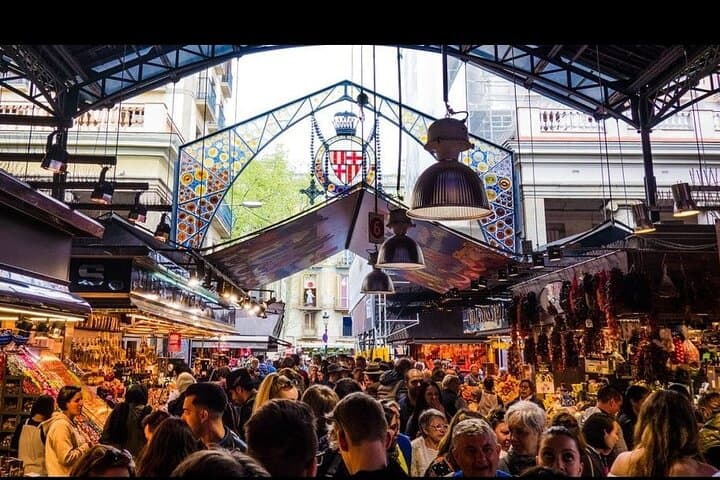
Barcelona's markets are living chapters of the city's past: La Boquería has fed merchants and sailors for centuries, Sant Antoni evolved with 19th-century urban reforms, and Barceloneta still smells of brine and fried fish. Geologically, the city sits on a low Mediterranean plain; the coastline shapes light and temperature, while Modernisme architecture in L'Eixample frames the urban ride.
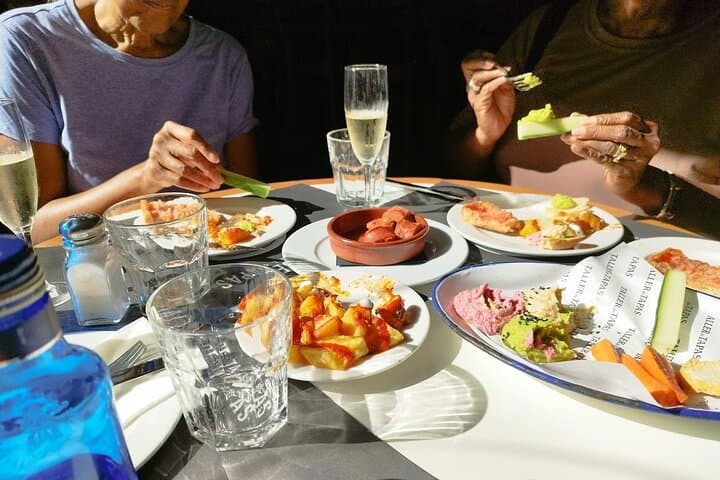
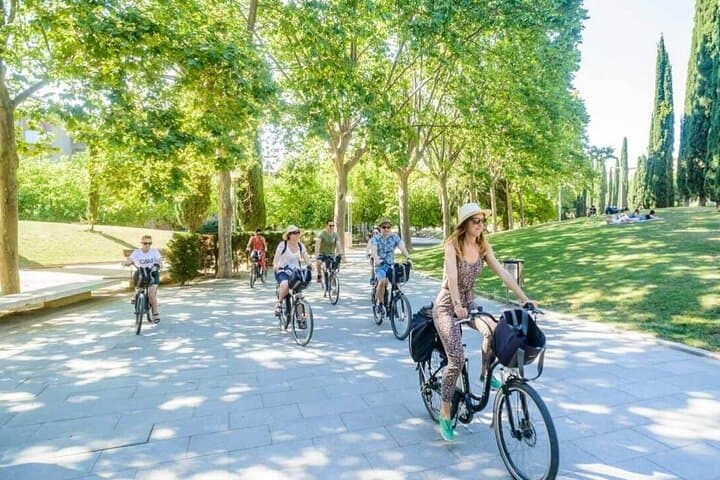
Culture here is tactile—jamón slices, briny mussels, and cava bubbles are as instructive as any guidebook. Expect brisk, mostly flat cycling on bike lanes and city streets with occasional cobbles in the Gothic Quarter. Stops run 15–25 minutes for tastings and photos; total time is about 3–4 hours.
Practical edge: bring a small daypack, a filled water bottle, and shoes you can clip into pedals or walk in. Plan for midday heat in summer and book morning or late-afternoon slots to avoid crowds. Helmets are included or available; basic bike-handling skills and comfort in traffic are required. This tour is a compact, sensory way to sample Barcelona’s food culture while covering ground faster than on foot.
easy.
3–4 hours.
Suitable for most fitness levels; you should be comfortable cycling for a few hours on flat urban terrain and walking short cobbled sections.
Helmets are typically provided or available on request, but you can bring your own for the best fit.
Children can join if they’re comfortable on a bike and fit in available child seats; check age and seat options when booking.
Guides can usually arrange alternatives for common dietary needs; indicate restrictions during booking so vendors are informed.
Walking is minimal—short strolls through markets and to tasting spots—most of the route is ridden on flat bike lanes.
Barcelona’s market culture dates back centuries; La Boquería traces its organized market roots to the 13th century, while L'Eixample reflects 19th-century urban expansion and Modernisme architecture.
Cycling reduces urban emissions and helps ease congestion; support vendors who source seafood sustainably and bring reusable bags to limit waste.
Simon rarr operates guided outdoor trips and adventures with an emphasis on safety, stewardship, and memorable experiences.
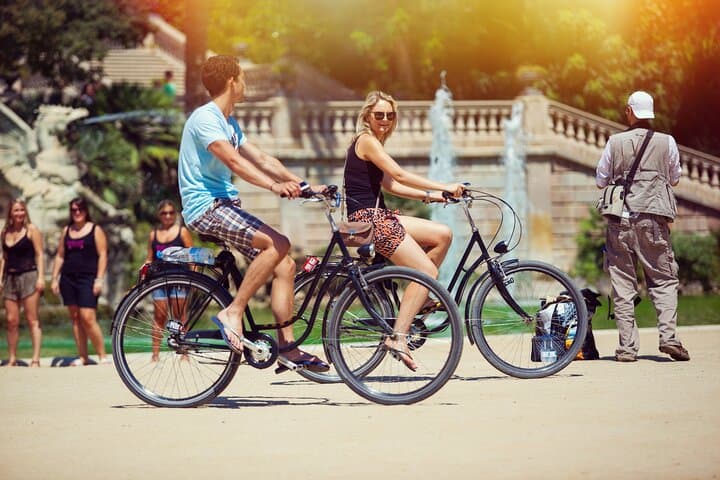
You start on two wheels with the sea breeze at your back and the city's grid easing you forward—L'Eixample's right angles give way to palm-lined promenades and the Arc de Triomf appears like a civic gateway. The guide fits your helmet, and the group unfurls into Parc de la Ciutadella where fountains and the glasshouse offer a first pause to stretch legs and camera shutters.
You start on two wheels with the sea breeze at your back and the city's grid easing you forward—L'Eixample's right angles give way to palm-lined promenades and the Arc de Triomf appears like a civic gateway. The guide fits your helmet, and the group unfurls into Parc de la Ciutadella where fountains and the glasshouse offer a first pause to stretch legs and camera shutters.
Barcelona's markets are living chapters of the city's past: La Boquería has fed merchants and sailors for centuries, Sant Antoni evolved with 19th-century urban reforms, and Barceloneta still smells of brine and fried fish. Geologically, the city sits on a low Mediterranean plain; the coastline shapes light and temperature, while Modernisme architecture in L'Eixample frames the urban ride.
Culture here is tactile—jamón slices, briny mussels, and cava bubbles are as instructive as any guidebook. Expect brisk, mostly flat cycling on bike lanes and city streets with occasional cobbles in the Gothic Quarter. Stops run 15–25 minutes for tastings and photos; total time is about 3–4 hours.
Practical edge: bring a small daypack, a filled water bottle, and shoes you can clip into pedals or walk in. Plan for midday heat in summer and book morning or late-afternoon slots to avoid crowds. Helmets are included or available; basic bike-handling skills and comfort in traffic are required. This tour is a compact, sensory way to sample Barcelona’s food culture while covering ground faster than on foot.