THE ADVENTURE COLLECTIVE® · Independent discovery and booking for outdoor travel

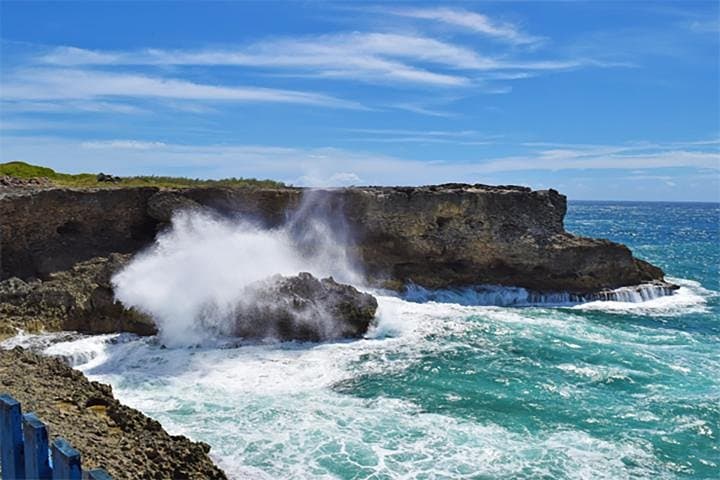
Watch Barbados green monkeys gather at feeding time, then ride north to cliffs where the Atlantic hammers limestone into dramatic views. This short, small-group tour pairs close wildlife encounters with coastal panoramas and local stories.
Watch Barbados green monkeys gather at feeding time, then ride north to cliffs where the Atlantic hammers limestone into dramatic views. This short, small-group tour pairs close wildlife encounters with coastal panoramas and local stories.
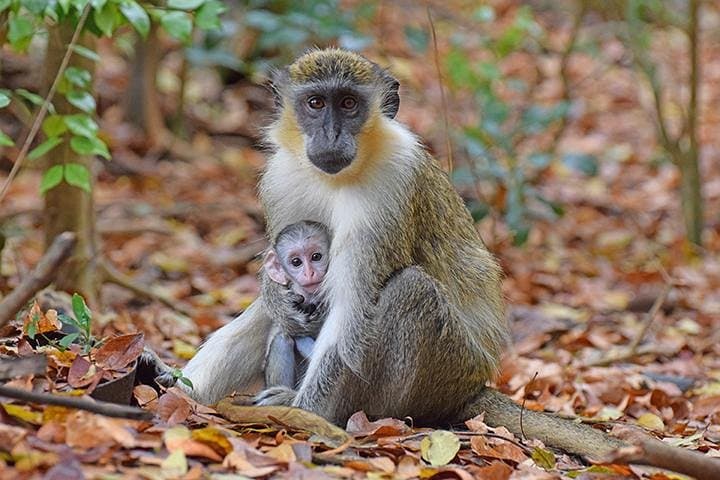
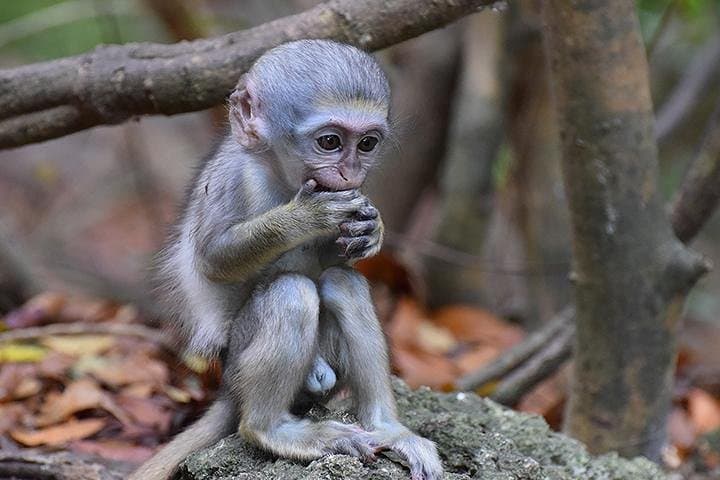
A morning at the Barbados Wildlife Reserve opens like a page of island life: warm air threaded with leaf-scrape and the occasional shriek as a green monkey leaps from branch to branch, curious and unhurried. Guides lead small groups along shaded trails where tortoises sun themselves and peacocks fan iridescent tails; feeding time concentrates the reserve’s energy, drawing monkeys and other residents into easy view.
Verified experiences and guided adventures in the surrounding area.
Operated by Beautiful (Barbados) Tours and Excursions Ltd · Speightstown, Saint Peter
A morning at the Barbados Wildlife Reserve opens like a page of island life: warm air threaded with leaf-scrape and the occasional shriek as a green monkey leaps from branch to branch, curious and unhurried. Guides lead small groups along shaded trails where tortoises sun themselves and peacocks fan iridescent tails; feeding time concentrates the reserve’s energy, drawing monkeys and other residents into easy view.
The reserve sits on former plantation land; the green monkeys that now define its mornings trace a complicated history — descendants of West African primates brought to the Caribbean centuries ago who adapted to Barbados’s forest fragments. Geologically, the northern coast you’ll visit afterward is coral limestone worn into cliffs and coves, where the Atlantic relentlessly shapes jagged edges and blowholes that pulse with surf.
Culture here blends British colonial legacy, Afro-Caribbean heritage, and a practical respect for the island’s small-scale ecotourism. Local guides share short, pointed stories: why the monkeys appear during feeding, which tortoises are most tolerant, and where whales sometimes pass off the north shore in winter.
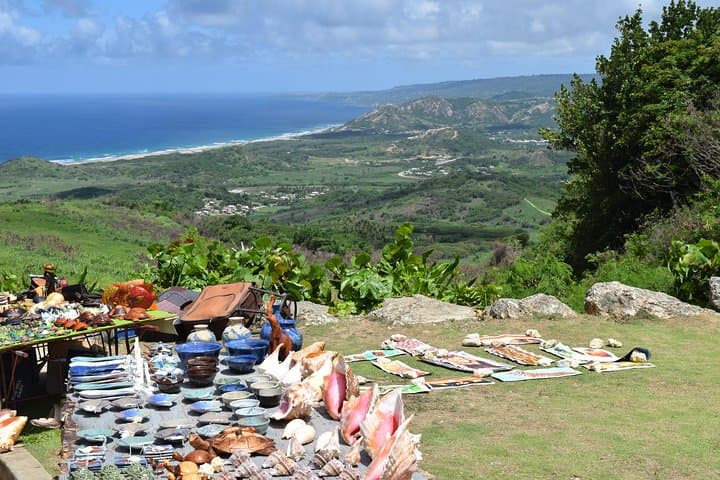
Practical guidance: the experience is short — plan for a half day — with vehicle pickup on the south and west coasts. Wear sturdy, closed-toe shoes for muddy paths, bring sun protection and binoculars, and expect uneven terrain at viewpoints. If you’re prone to motion sickness, take precautions before the drive; island roads can be windy. The visit rewards travelers who arrive with patience and curiosity: wildlife that chooses when to perform, and cliffs that demand you stand back and watch the Atlantic work.
easy.
4 hours.
Moderate: brief walking on uneven trails and short periods standing for wildlife viewing; suitable for most travelers who can walk short distances.
Feeding time is the best chance to see them and they appear for the event about 99% of the time, but wildlife sightings can’t be guaranteed.
Yes—pickup and drop-off from coastal hotels on the south and west coasts are included; you must provide your accommodation details at booking.
No, the tour stops at North Point for views but cave entrance fees are not included in this tour.
Infant seats are available and children can attend, but travelers should be prepared for short walks and uneven ground; the operator recommends moderate fitness.
The reserve occupies former plantation terrain; the island’s green monkeys are descendants of West African primates that arrived via historic shipping routes and now thrive in remnant forests.
The reserve emphasizes non-invasive viewing and controlled feeding to minimize human-wildlife conflicts; visitors are asked not to feed animals outside supervised times to protect local ecology.
Beautiful (Barbados) Tours and Excursions Ltd operates guided outdoor trips and adventures with an emphasis on safety, stewardship, and memorable experiences.
A morning at the Barbados Wildlife Reserve opens like a page of island life: warm air threaded with leaf-scrape and the occasional shriek as a green monkey leaps from branch to branch, curious and unhurried. Guides lead small groups along shaded trails where tortoises sun themselves and peacocks fan iridescent tails; feeding time concentrates the reserve’s energy, drawing monkeys and other residents into easy view.
A morning at the Barbados Wildlife Reserve opens like a page of island life: warm air threaded with leaf-scrape and the occasional shriek as a green monkey leaps from branch to branch, curious and unhurried. Guides lead small groups along shaded trails where tortoises sun themselves and peacocks fan iridescent tails; feeding time concentrates the reserve’s energy, drawing monkeys and other residents into easy view.
The reserve sits on former plantation land; the green monkeys that now define its mornings trace a complicated history — descendants of West African primates brought to the Caribbean centuries ago who adapted to Barbados’s forest fragments. Geologically, the northern coast you’ll visit afterward is coral limestone worn into cliffs and coves, where the Atlantic relentlessly shapes jagged edges and blowholes that pulse with surf.
Culture here blends British colonial legacy, Afro-Caribbean heritage, and a practical respect for the island’s small-scale ecotourism. Local guides share short, pointed stories: why the monkeys appear during feeding, which tortoises are most tolerant, and where whales sometimes pass off the north shore in winter.
Practical guidance: the experience is short — plan for a half day — with vehicle pickup on the south and west coasts. Wear sturdy, closed-toe shoes for muddy paths, bring sun protection and binoculars, and expect uneven terrain at viewpoints. If you’re prone to motion sickness, take precautions before the drive; island roads can be windy. The visit rewards travelers who arrive with patience and curiosity: wildlife that chooses when to perform, and cliffs that demand you stand back and watch the Atlantic work.