THE ADVENTURE COLLECTIVE® · Independent discovery and booking for outdoor travel

A private, full-day tour that threads Bridgetown with Hunte’s Gardens, Orchid World and other tropical plant collections across Barbados. Expect gentle walks, ocean breezes and botanical variety shaped by the island’s limestone soils.
A private, full-day tour that threads Bridgetown with Hunte’s Gardens, Orchid World and other tropical plant collections across Barbados. Expect gentle walks, ocean breezes and botanical variety shaped by the island’s limestone soils.
The morning air tastes faintly of salt and cut foliage as the van curls away from Bridgetown and into the island’s greener interior. Palms lean like onlookers, sugarcane fields blur past, and the driver eases you into a pace that lets the landscape speak — a soft, humid narrative of limestone ridges, cultivated gullies and ocean-bent breezes.
Verified experiences and guided adventures in the surrounding area.
Operated by Island Cabs Barbados · Bridgetown, Saint Michael
The morning air tastes faintly of salt and cut foliage as the van curls away from Bridgetown and into the island’s greener interior. Palms lean like onlookers, sugarcane fields blur past, and the driver eases you into a pace that lets the landscape speak — a soft, humid narrative of limestone ridges, cultivated gullies and ocean-bent breezes.
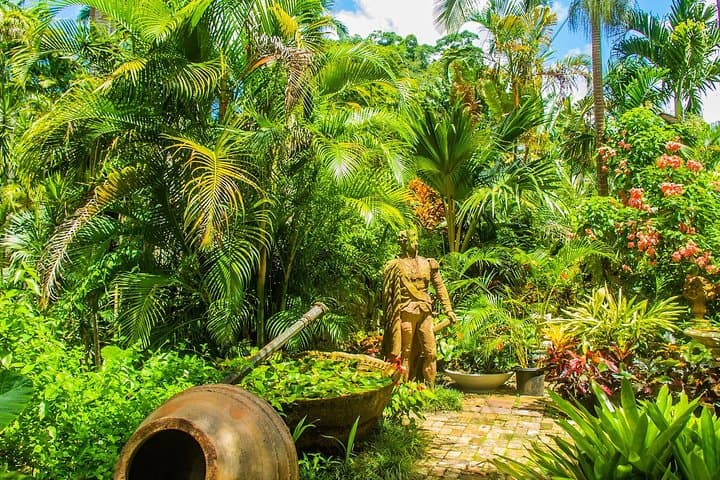
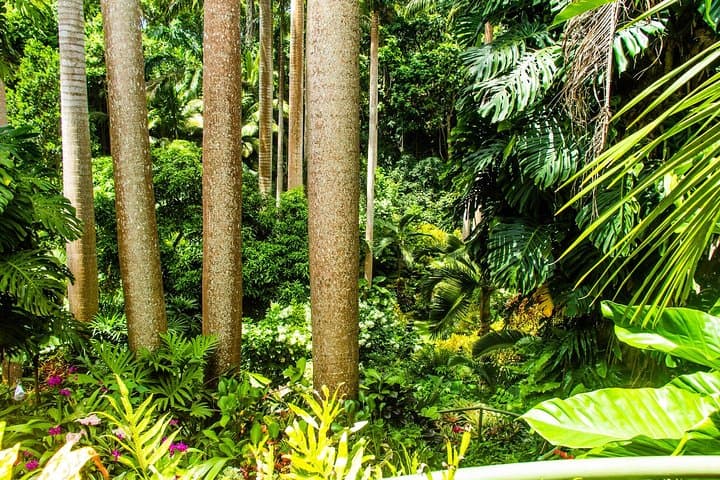
The route stitches together plantation-era history and horticultural curiosity: formal Victorian gardens beside smallholder plots, restored gully gardens like Hunte’s that repurposed an old ravine, and Orchid World’s elevated plots where cooler temperatures at ~800 ft encourage uncommon blooms. Geologically, Barbados rises from coral limestone; soils vary from shallow coastal sands to deeper clay in the central highlands, which shapes what each garden can grow. Locally, gardens reflect Barbadian life — community-run nurseries, coconut bread at kiosks, and surfers’ salt-spray stories along the east coast.
Expect mostly gentle, self-guided walks on gravel paths, steps and narrow trails; audio or guide commentary fills in plant IDs and local lore. Wear sturdy walking shoes, sun protection and bring a refillable bottle — hydration is essential in tropical humidity. The tour is private and paced; photographers will find pockets of light under tall palms and shaded gullies ideal for macro shots of orchids and heliconias.
Practical notes: many gardens charge separate admission; check opening times and bring insect repellent for shady gullies. Aim for a morning start to avoid midday heat and expect light refreshments in the vehicle. Move slowly through each garden, respect planted areas and carry out any trash — these green spaces thrive when visitors tread thoughtfully.
easy.
7 hours.
Suitable for light to moderate fitness; involves several short walks and some stairs.
Most garden admissions are not included; the tour covers transportation and light refreshments but entry fees are typically paid on arrival.
Yes — the itinerary is rated easy and private transport accommodates varying mobility, though some sites have steps and uneven surfaces.
Yes — stops include free time for photos and visits to garden gift shops or nurseries where you can buy plants subject to export rules.
The tour runs about seven hours and usually includes private, air-conditioned pickup from central accommodations in Bridgetown — confirm pickup details when booking.
Many gardens sit on or near former sugar estates; landscape layouts and plant choices reflect colonial-era introductions and local cultivation techniques.
Gardens in Barbados balance tourism with conservation — stick to paths, avoid single-use plastics and support local nurseries that propagate native species.
Island Cabs Barbados operates guided outdoor trips and adventures with an emphasis on safety, stewardship, and memorable experiences.
The morning air tastes faintly of salt and cut foliage as the van curls away from Bridgetown and into the island’s greener interior. Palms lean like onlookers, sugarcane fields blur past, and the driver eases you into a pace that lets the landscape speak — a soft, humid narrative of limestone ridges, cultivated gullies and ocean-bent breezes.
The morning air tastes faintly of salt and cut foliage as the van curls away from Bridgetown and into the island’s greener interior. Palms lean like onlookers, sugarcane fields blur past, and the driver eases you into a pace that lets the landscape speak — a soft, humid narrative of limestone ridges, cultivated gullies and ocean-bent breezes.
The route stitches together plantation-era history and horticultural curiosity: formal Victorian gardens beside smallholder plots, restored gully gardens like Hunte’s that repurposed an old ravine, and Orchid World’s elevated plots where cooler temperatures at ~800 ft encourage uncommon blooms. Geologically, Barbados rises from coral limestone; soils vary from shallow coastal sands to deeper clay in the central highlands, which shapes what each garden can grow. Locally, gardens reflect Barbadian life — community-run nurseries, coconut bread at kiosks, and surfers’ salt-spray stories along the east coast.
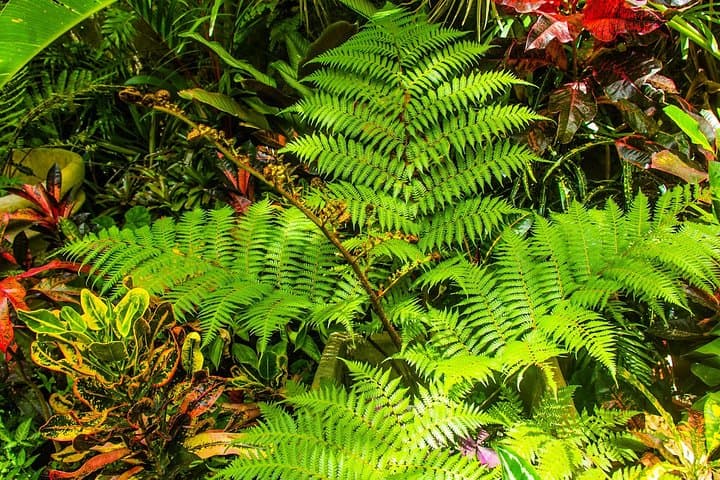
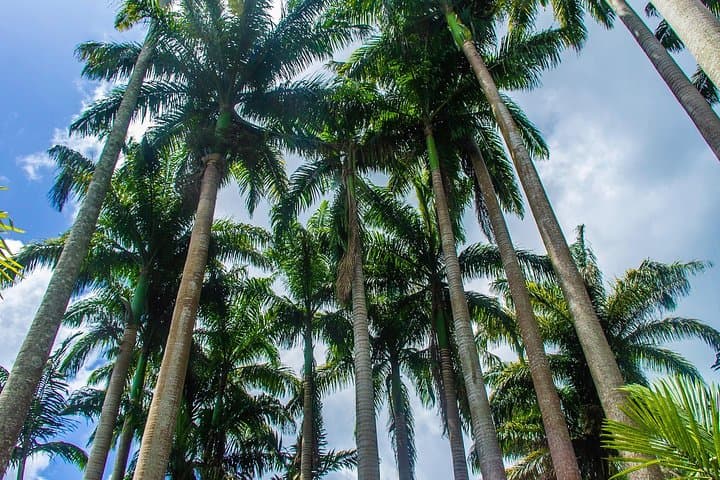
Expect mostly gentle, self-guided walks on gravel paths, steps and narrow trails; audio or guide commentary fills in plant IDs and local lore. Wear sturdy walking shoes, sun protection and bring a refillable bottle — hydration is essential in tropical humidity. The tour is private and paced; photographers will find pockets of light under tall palms and shaded gullies ideal for macro shots of orchids and heliconias.
Practical notes: many gardens charge separate admission; check opening times and bring insect repellent for shady gullies. Aim for a morning start to avoid midday heat and expect light refreshments in the vehicle. Move slowly through each garden, respect planted areas and carry out any trash — these green spaces thrive when visitors tread thoughtfully.