THE ADVENTURE COLLECTIVE® · Independent discovery and booking for outdoor travel

A full-day private tour from Siem Reap to Phnom Kulen waterfall and Banteay Srei pairs brisk, forested walks and cool cascades with the intensely detailed pink sandstone carvings of a 10th‑century temple. Expect an 8–10 hour day, cash admission, and short uneven trails.
A full-day private tour from Siem Reap to Phnom Kulen waterfall and Banteay Srei pairs brisk, forested walks and cool cascades with the intensely detailed pink sandstone carvings of a 10th‑century temple. Expect an 8–10 hour day, cash admission, and short uneven trails.
Morning light pulls you out of Siem Reap and onto a quiet country road; palms brush the windows, and the driver heads northeast toward Phnom Kulen. The jungle opens into a river that seems to push forward over smooth bedrock—this is the waterfall that locals call the island’s cool heart, with carved lingas tracing the riverbed and a reclining Buddha carved into the stone.
Verified experiences and guided adventures in the surrounding area.
Operated by Angkor Wat Driver · Siem Reap, Siem Reap Province
Morning light pulls you out of Siem Reap and onto a quiet country road; palms brush the windows, and the driver heads northeast toward Phnom Kulen. The jungle opens into a river that seems to push forward over smooth bedrock—this is the waterfall that locals call the island’s cool heart, with carved lingas tracing the riverbed and a reclining Buddha carved into the stone.
By midday the tour rolls toward Banteay Srei, the “Citadel of Women,” whose pink sandstone glows with tiny, rigorous carvings that have survived a thousand years of monsoon and sun. Geology here matters: Phnom Kulen’s sandstone and laterite create flat slabs for walkable falls, while Banteay Srei’s dense, iron-rich sandstone holds remarkably fine detail.
Culturally, the mountain was an early sacred center; its river of 1,000 lingas marks ritual hydraulic engineering, and Banteay Srei’s 10th-century sculptures reflect a temple culture that prized artisanship.
Practicalities are straightforward: the full private day runs roughly 8–10 hours, departing around 8:00 AM and returning late afternoon. Admission passes are typically purchased on-site (the operator notes a waterfall pass around $20 and Banteay Srei around $37). Expect short, uneven trails, slippery rock near cascades, and sun exposure at temple courtyards.
Bring water, cash for entrance fees and lunch, sturdy footwear, and a light rain layer if the forecast threatens. Respect the carvings—no climbing—and plan for a moderately active day of walking, photography, and quiet observation.
moderate.
8–10 hours.
Suitable for travelers with moderate fitness—requires walking on uneven ground, short uphill sections, and standing while exploring temples.
No; the guide will take you to the ticket booth and all travelers pay admission on site—expect separate fees for Phnom Kulen (~$20) and Banteay Srei (~$37) as noted by the operator.
Typical departure is around 8:00 AM with return mid-to-late afternoon; private pickup from Siem Reap hotels is usually included—confirm your pickup point when booking.
Not recommended for travelers with serious spinal or cardiovascular issues; trails to waterfalls and temple platforms include uneven steps and slippery sections.
Yes—there is a lunch stop near the sites with basic Khmer dishes; vegetarian options are generally available but notify the guide in advance for any special requirements.
Phnom Kulen was an early sacred mountain and ceremonial center for the Khmer state; Banteay Srei dates to the 10th century and is famed for its finely detailed pink sandstone carvings.
Visitor pressure and water runoff can accelerate erosion of carvings and riverbed reliefs—stay on marked routes, avoid touching bas‑reliefs, and purchase passes that support site maintenance.
Angkor Wat Driver operates guided outdoor trips and adventures with an emphasis on safety, stewardship, and memorable experiences.
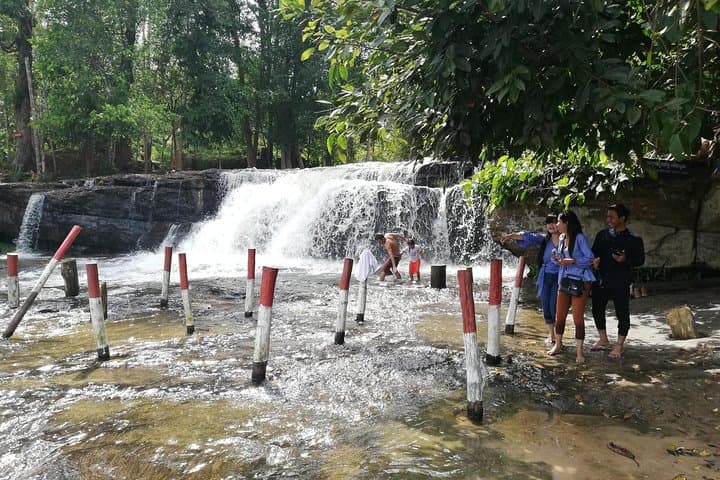
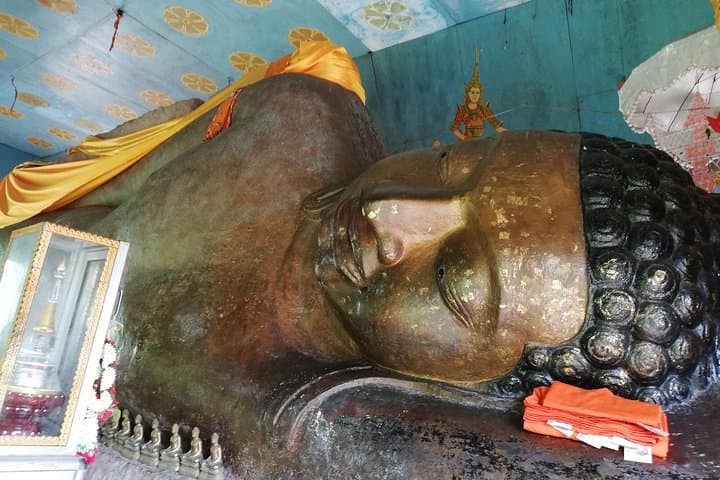
Morning light pulls you out of Siem Reap and onto a quiet country road; palms brush the windows, and the driver heads northeast toward Phnom Kulen. The jungle opens into a river that seems to push forward over smooth bedrock—this is the waterfall that locals call the island’s cool heart, with carved lingas tracing the riverbed and a reclining Buddha carved into the stone.
Morning light pulls you out of Siem Reap and onto a quiet country road; palms brush the windows, and the driver heads northeast toward Phnom Kulen. The jungle opens into a river that seems to push forward over smooth bedrock—this is the waterfall that locals call the island’s cool heart, with carved lingas tracing the riverbed and a reclining Buddha carved into the stone.
By midday the tour rolls toward Banteay Srei, the “Citadel of Women,” whose pink sandstone glows with tiny, rigorous carvings that have survived a thousand years of monsoon and sun. Geology here matters: Phnom Kulen’s sandstone and laterite create flat slabs for walkable falls, while Banteay Srei’s dense, iron-rich sandstone holds remarkably fine detail.
Culturally, the mountain was an early sacred center; its river of 1,000 lingas marks ritual hydraulic engineering, and Banteay Srei’s 10th-century sculptures reflect a temple culture that prized artisanship.
Practicalities are straightforward: the full private day runs roughly 8–10 hours, departing around 8:00 AM and returning late afternoon. Admission passes are typically purchased on-site (the operator notes a waterfall pass around $20 and Banteay Srei around $37). Expect short, uneven trails, slippery rock near cascades, and sun exposure at temple courtyards.
Bring water, cash for entrance fees and lunch, sturdy footwear, and a light rain layer if the forecast threatens. Respect the carvings—no climbing—and plan for a moderately active day of walking, photography, and quiet observation.