THE ADVENTURE COLLECTIVE® · Independent discovery and booking for outdoor travel

A full-day loop from Siem Reap that combines the delicate carvings of Banteay Srei, the cooling cascades of Phnom Kulen and the overgrown mystery of Beng Mealea. Plan for mixed terrain, early starts, and a hands-on archaeological feel.
A full-day loop from Siem Reap that combines the delicate carvings of Banteay Srei, the cooling cascades of Phnom Kulen and the overgrown mystery of Beng Mealea. Plan for mixed terrain, early starts, and a hands-on archaeological feel.
You arrive before the heat of midday, the dusty road giving way to carved stone and sudden shade as the morning light finds Banteay Srei’s pink sandstone. Fingers of relief—shallow bas-reliefs of gods and dancers—hold centuries of devotion, and the place feels intimate compared with Angkor’s grand avenues.
Verified experiences and guided adventures in the surrounding area.
Operated by Angkor Guide Tour · Siem Reap, Siem Reap Province
You arrive before the heat of midday, the dusty road giving way to carved stone and sudden shade as the morning light finds Banteay Srei’s pink sandstone. Fingers of relief—shallow bas-reliefs of gods and dancers—hold centuries of devotion, and the place feels intimate compared with Angkor’s grand avenues.
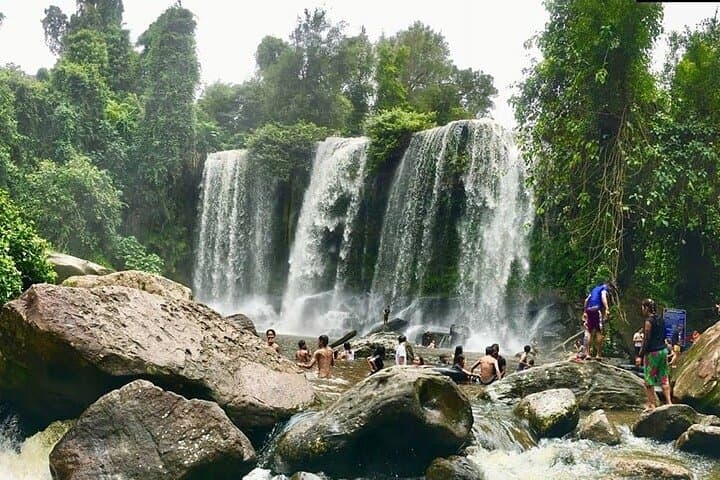
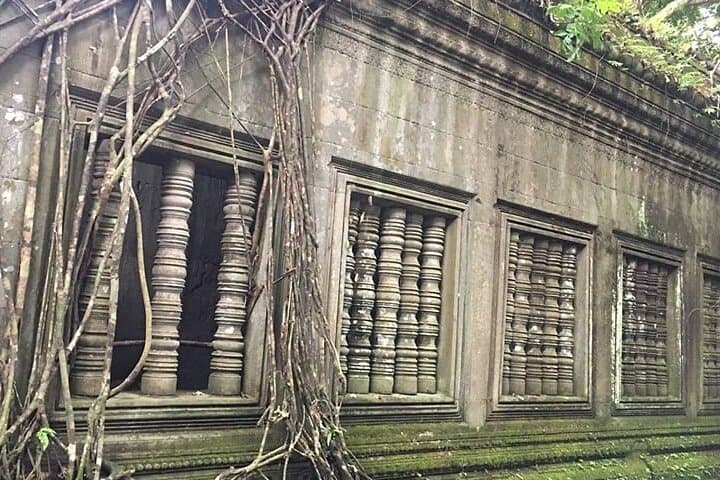
This loop pairs three distinct Khmer experiences. Banteay Srei (10th century) is small but exquisitely detailed, its carvings preserved on fine-grained sandstone. Phnom Kulen is a different pulse: a low massif where legend says Jayavarman II declared the Khmer state in 802 CE, waterfalls cool the air and submerged lingas mark an ancient river ritual. The day finishes at Beng Mealea, a 12th-century, jungle-engulfed complex built on an Angkor Wat plan—collapsed galleries, toppled blocks and vines create a hands-on exploration that feels like archaeology in motion.
Expect a mix of paved driving and short hikes: temple circuits require uneven stone steps and loose rubble; the Kulen waterfall includes slick rocks and shallow pools. Local guides explain inscriptions, local village life and the practicalities of temple conservation.
Practical guidance: bring refillable water and a towel for waterfall swims, wear sturdy shoes that handle stone and occasional mud, and schedule the visit early to avoid the busiest hours. Respect signage—some areas are fragile sandstone or active conservation zones—and consider hiring a local guide to deepen historical context while supporting community livelihoods. This full-day loop is a compact cross-section of Cambodia’s history, geology and living culture.
moderate.
8 hours.
Moderate fitness—comfortable walking on uneven temple stones and short hikes to waterfalls is required.
Some sites include admission on this tour; confirm at booking—Banteay Srei and Beng Mealea typically require tickets, while Phnom Kulen may have separate access fees.
Yes, visitors may swim in designated pools and near waterfalls, but avoid disturbing carved river sections and follow any posted restrictions.
Expect several short temple circuits with uneven steps and rubble; overall walking is moderate and broken by vehicle transfers between sites.
Children who can manage uneven terrain can enjoy the trip; the tour is not recommended for pregnant travelers or those with serious heart conditions per provider guidance.
Phnom Kulen is the legendary coronation site of Jayavarman II (c.802 CE); Banteay Srei dates to the 10th century and Beng Mealea to the 12th century under Suryavarman II.
Fragile sandstone carvings and jungle-cleared temples need visitor restraint—stay on paths, avoid climbing on unstable ruins and support local guides who aid conservation.
Angkor Guide Tour operates guided outdoor trips and adventures with an emphasis on safety, stewardship, and memorable experiences.
You arrive before the heat of midday, the dusty road giving way to carved stone and sudden shade as the morning light finds Banteay Srei’s pink sandstone. Fingers of relief—shallow bas-reliefs of gods and dancers—hold centuries of devotion, and the place feels intimate compared with Angkor’s grand avenues.
You arrive before the heat of midday, the dusty road giving way to carved stone and sudden shade as the morning light finds Banteay Srei’s pink sandstone. Fingers of relief—shallow bas-reliefs of gods and dancers—hold centuries of devotion, and the place feels intimate compared with Angkor’s grand avenues.
This loop pairs three distinct Khmer experiences. Banteay Srei (10th century) is small but exquisitely detailed, its carvings preserved on fine-grained sandstone. Phnom Kulen is a different pulse: a low massif where legend says Jayavarman II declared the Khmer state in 802 CE, waterfalls cool the air and submerged lingas mark an ancient river ritual. The day finishes at Beng Mealea, a 12th-century, jungle-engulfed complex built on an Angkor Wat plan—collapsed galleries, toppled blocks and vines create a hands-on exploration that feels like archaeology in motion.
Expect a mix of paved driving and short hikes: temple circuits require uneven stone steps and loose rubble; the Kulen waterfall includes slick rocks and shallow pools. Local guides explain inscriptions, local village life and the practicalities of temple conservation.
Practical guidance: bring refillable water and a towel for waterfall swims, wear sturdy shoes that handle stone and occasional mud, and schedule the visit early to avoid the busiest hours. Respect signage—some areas are fragile sandstone or active conservation zones—and consider hiring a local guide to deepen historical context while supporting community livelihoods. This full-day loop is a compact cross-section of Cambodia’s history, geology and living culture.