THE ADVENTURE COLLECTIVE® · Independent discovery and booking for outdoor travel

Explore Bantayan Island in a single day: hidden beaches, mangrove gardens, a curious German Ruin and a traditional island lunch. This practical guide shows what to expect, where to walk and how to prepare.
Explore Bantayan Island in a single day: hidden beaches, mangrove gardens, a curious German Ruin and a traditional island lunch. This practical guide shows what to expect, where to walk and how to prepare.
You step off a low ferry into salt-bright air and the sound of motorbikes threading coastal roads. The guide folds a paper map while the island unspools: scrubby limestone cliffs give way to sugar-white sand and a mangrove fringe that tugs at the tide.
Verified experiences and guided adventures in the surrounding area.
Operated by SYKE Travel & Tours · Santa Fe, Cebu
You step off a low ferry into salt-bright air and the sound of motorbikes threading coastal roads. The guide folds a paper map while the island unspools: scrubby limestone cliffs give way to sugar-white sand and a mangrove fringe that tugs at the tide.
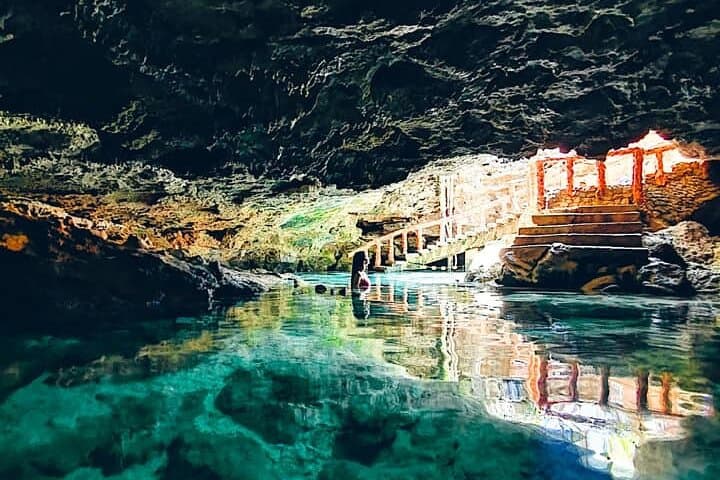
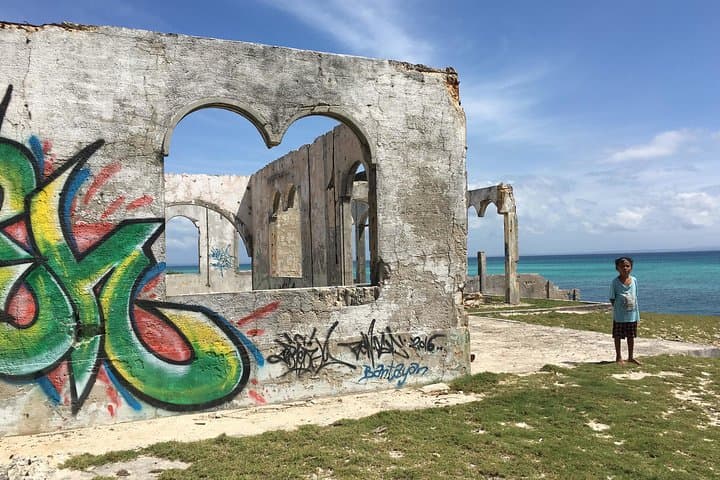
Bantayan Island sits on the western edge of the Central Visayas, formed from uplifted coral and limestone. Spanish-era churches and the surviving stonework of the 1896 parish mark a coastline shaped by trade and faith. The so-called German Ruin—an abandoned seaside house—adds a human mystery to cliffs that have weathered stronger storms than any visitor will see.
Culture here is hands-on: fish markets pulse with the morning catch, and food tastings highlight coconut, dried fish, and simple grilled seafood. Mangrove gardens shelter juvenile fish and lend a shaded counterpoint to open beaches; the ocean here seems to test you, nudging you toward exploration rather than arcadia.
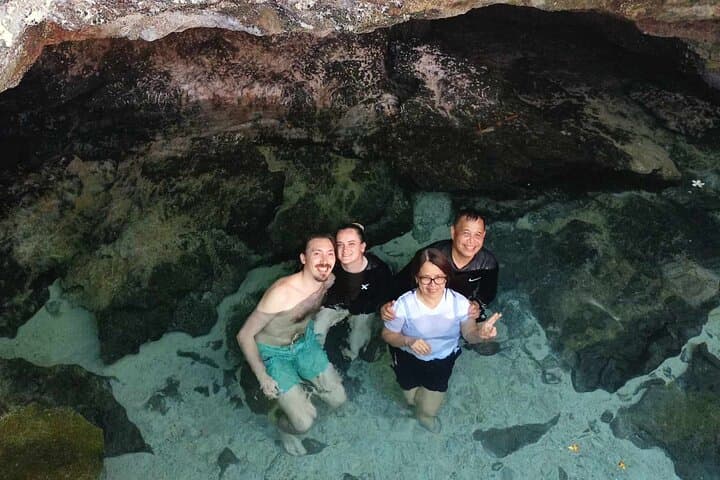
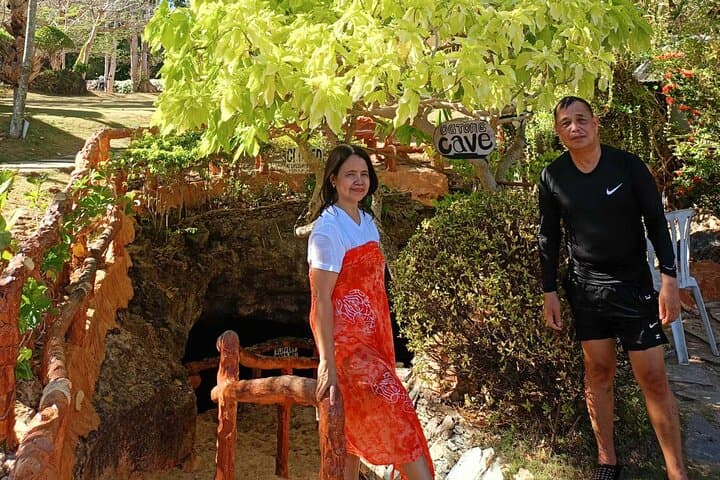
Practically, tours run 4–8 hours and are flexible by weather and group preference. Expect short walks, beach stops, a cave-like natural inlet, a mangrove boardwalk, and a sit-down island lunch. Wear sturdy sandals or light trail shoes for mixed sand, rock, and boardwalks; bring reef-safe sunscreen, cash for market purchases, and a light rain layer in wet months. Accessibility is generally good for travelers of average mobility, but anyone with serious spine or heart conditions should consult the operator. Plan for midday heat and an easy, sensory-rich day that pairs local flavor with coastal discovery.
easy.
4–8 hours.
Suitable for travelers with average fitness; short walks and standing during tastings; not strenuous.
The operator lists a flexible duration of about 4–8 hours depending on stops and group pace.
Yes—lunch with local dishes and bottled water are included as part of the tour.
The listing notes wheelchair accessibility for portions of the tour, but some beaches and uneven limestone areas may be difficult—confirm pickup and specific stop accessibility with the operator.
Local guides commonly speak English and Filipino; ask the operator in advance if you require another language.
Bantayan’s stone churches date to the Spanish era and the island was a stop for coastal traders—fishing and salt production shaped local livelihoods for centuries.
Mangroves are actively conserved for shoreline protection and fish habitat; visitors should avoid trampling roots and use reef-safe sunscreen to protect nearby reefs.
SYKE Travel & Tours operates guided outdoor trips and adventures with an emphasis on safety, stewardship, and memorable experiences.
You step off a low ferry into salt-bright air and the sound of motorbikes threading coastal roads. The guide folds a paper map while the island unspools: scrubby limestone cliffs give way to sugar-white sand and a mangrove fringe that tugs at the tide.
You step off a low ferry into salt-bright air and the sound of motorbikes threading coastal roads. The guide folds a paper map while the island unspools: scrubby limestone cliffs give way to sugar-white sand and a mangrove fringe that tugs at the tide.
Bantayan Island sits on the western edge of the Central Visayas, formed from uplifted coral and limestone. Spanish-era churches and the surviving stonework of the 1896 parish mark a coastline shaped by trade and faith. The so-called German Ruin—an abandoned seaside house—adds a human mystery to cliffs that have weathered stronger storms than any visitor will see.
Culture here is hands-on: fish markets pulse with the morning catch, and food tastings highlight coconut, dried fish, and simple grilled seafood. Mangrove gardens shelter juvenile fish and lend a shaded counterpoint to open beaches; the ocean here seems to test you, nudging you toward exploration rather than arcadia.
Practically, tours run 4–8 hours and are flexible by weather and group preference. Expect short walks, beach stops, a cave-like natural inlet, a mangrove boardwalk, and a sit-down island lunch. Wear sturdy sandals or light trail shoes for mixed sand, rock, and boardwalks; bring reef-safe sunscreen, cash for market purchases, and a light rain layer in wet months. Accessibility is generally good for travelers of average mobility, but anyone with serious spine or heart conditions should consult the operator. Plan for midday heat and an easy, sensory-rich day that pairs local flavor with coastal discovery.