THE ADVENTURE COLLECTIVE® · Independent discovery and booking for outdoor travel

Float into a section of the Vrbas where limestone walls, quickwater and licensed skippers make rafting in Banja Luka both thrilling and accessible. A half-day guided run combines local history, geology and practical safety for first-timers and returning paddlers.
Float into a section of the Vrbas where limestone walls, quickwater and licensed skippers make rafting in Banja Luka both thrilling and accessible. A half-day guided run combines local history, geology and practical safety for first-timers and returning paddlers.
The raft slides into the Vrbas with a soft clatter; water that looked placid from the bank suddenly has an agenda. It pulls at the bow, insists on a line, and for the next few hours it decides the tempo. Around you the city drops away—steep limestone walls and mixed beech-spruce slopes close in, the river carving grooves in rock that hint at a much older, slower violence.
Verified experiences and guided adventures in the surrounding area.
Operated by Good Host · Banja Luka, Republika Srpska
The raft slides into the Vrbas with a soft clatter; water that looked placid from the bank suddenly has an agenda. It pulls at the bow, insists on a line, and for the next few hours it decides the tempo. Around you the city drops away—steep limestone walls and mixed beech-spruce slopes close in, the river carving grooves in rock that hint at a much older, slower violence.
Rafting on the Vrbas is as much about the river as it is about Banja Luka. The town grew up where the Vrbas bends, its Kastel fortress looking down over a crossing that has been strategic since Roman times. The river's canyon, cut through Mesozoic limestone, creates quick, concentrated whitewater and deeper, glassy pools; the geological contrast is what makes the section near Banja Luka so varied and photogenic.
Culturally the Vrbas threads together local life—fishermen, riverside cafés, and seasonal picnickers. In recent decades, adventure tourism has reshaped the city's relationship with the river: licensed skippers and local operators turned rapids into a reliable day-activity that introduces visitors to the region's clean water and rugged valley walls without demanding technical expertise.
The experience itself is straightforward: pickup from your accommodation, transport to the rafting center, a short safety briefing, and licensed skippers leading the descent. Guides handle the tricky bits—technical commands, line choices, and swift rescues—so the activity is accessible if you have a moderate fitness level. Still, the river asks something from you: willingness to move, brace, and laugh when the bow noses into a wave.
Practical guidance: wear secure footwear (neoprene booties or strapped sandals), quick-dry layers, and a wetsuit if you're sensitive to cold; the operator provides helmets and life vests. Hydrate well before launch—three hours on the river includes active paddling and sun exposure. Bring a small dry bag for valuables or use the provided storage at the rafting center. For photographers, a wrist-secured action camera or small waterproof camera is best; avoid bulky DSLRs unless you plan to stay onshore.
Timing matters. Spring snowmelt can raise flows and adrenaline; summer is warmer and family-friendly; autumn brings crisp light and fewer crowds. The operator includes transportation and necessary gear, and they cancel for unsafe weather—book with the expectation of flexible scheduling.
For anyone who wants to feel the river’s will for a few hours, Banja Luka rafting is an efficiently run, sensory-rich way to read the landscape while being safely pushed through it.
moderate.
3–4 hours.
Moderate fitness—able to paddle actively for several short bursts and to climb in and out of the raft.
Yes—many operators run family-friendly trips, but children should be comfortable with water and meet any minimum age set by the operator; inform them at booking.
No—licensed skippers take control and give paddling instruction, so beginners can safely enjoy the trip with basic fitness.
Operators often cancel or reschedule for unsafe conditions like extreme high flows or thunderstorms; the booking policy typically allows refunds with 24-hour notice.
No—helmets, life jackets and paddles are provided; bring your own footwear and a dry bag for personal items.
Yes—this tour includes private transportation between central accommodations and the rafting center as noted in the itinerary.
People with serious heart conditions, pregnancy, or recent spinal injuries should not participate; disclose health details at booking.
The Vrbas has shaped Banja Luka’s crossings and defenses for centuries; the Kastel fortress marks one of the city’s oldest riverfront sites.
Operators emphasize leave-no-trace practices and cooperate with local river cleanups; avoid single-use plastics and follow guide instructions to minimize impact.
Good Host operates guided outdoor trips and adventures with an emphasis on safety, stewardship, and memorable experiences.
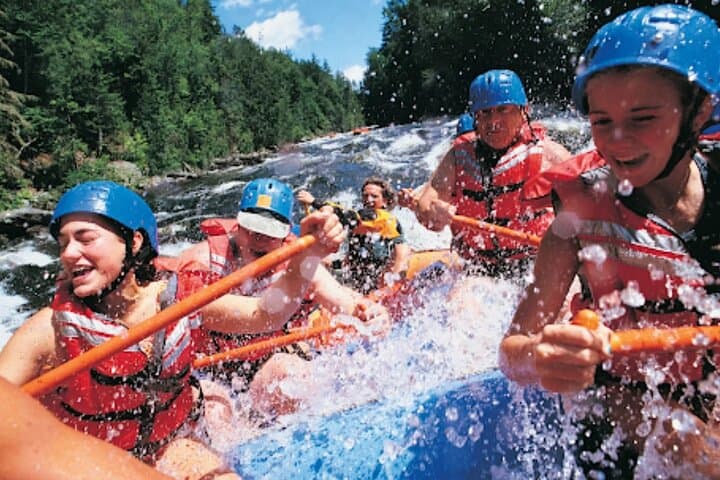
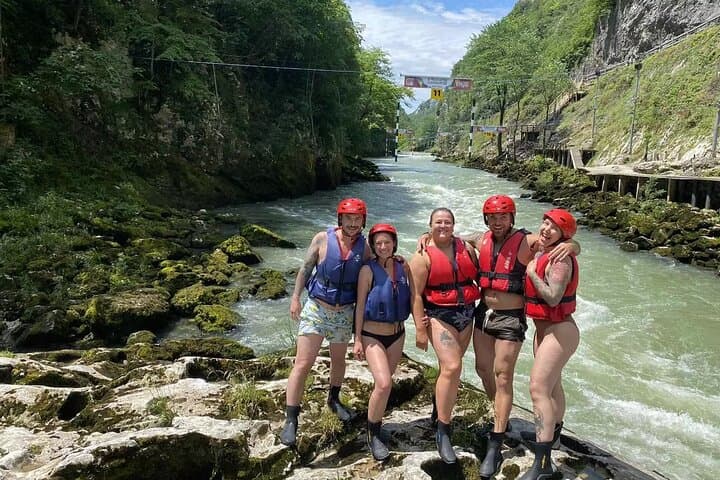
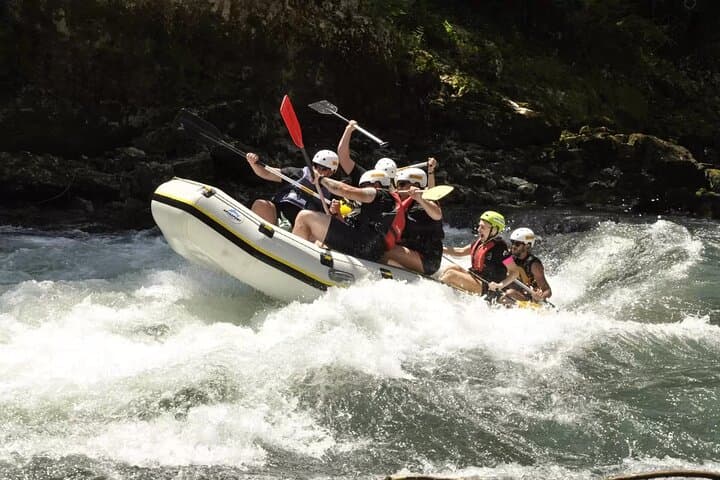
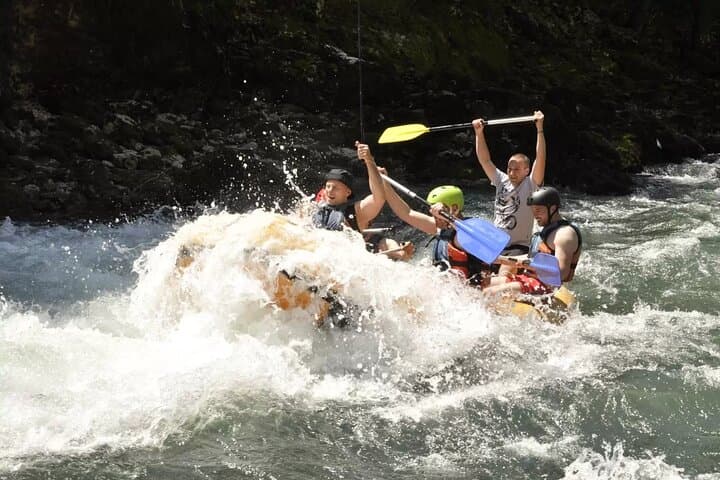
The raft slides into the Vrbas with a soft clatter; water that looked placid from the bank suddenly has an agenda. It pulls at the bow, insists on a line, and for the next few hours it decides the tempo. Around you the city drops away—steep limestone walls and mixed beech-spruce slopes close in, the river carving grooves in rock that hint at a much older, slower violence.
The raft slides into the Vrbas with a soft clatter; water that looked placid from the bank suddenly has an agenda. It pulls at the bow, insists on a line, and for the next few hours it decides the tempo. Around you the city drops away—steep limestone walls and mixed beech-spruce slopes close in, the river carving grooves in rock that hint at a much older, slower violence.
Rafting on the Vrbas is as much about the river as it is about Banja Luka. The town grew up where the Vrbas bends, its Kastel fortress looking down over a crossing that has been strategic since Roman times. The river's canyon, cut through Mesozoic limestone, creates quick, concentrated whitewater and deeper, glassy pools; the geological contrast is what makes the section near Banja Luka so varied and photogenic.
Culturally the Vrbas threads together local life—fishermen, riverside cafés, and seasonal picnickers. In recent decades, adventure tourism has reshaped the city's relationship with the river: licensed skippers and local operators turned rapids into a reliable day-activity that introduces visitors to the region's clean water and rugged valley walls without demanding technical expertise.
The experience itself is straightforward: pickup from your accommodation, transport to the rafting center, a short safety briefing, and licensed skippers leading the descent. Guides handle the tricky bits—technical commands, line choices, and swift rescues—so the activity is accessible if you have a moderate fitness level. Still, the river asks something from you: willingness to move, brace, and laugh when the bow noses into a wave.
Practical guidance: wear secure footwear (neoprene booties or strapped sandals), quick-dry layers, and a wetsuit if you're sensitive to cold; the operator provides helmets and life vests. Hydrate well before launch—three hours on the river includes active paddling and sun exposure. Bring a small dry bag for valuables or use the provided storage at the rafting center. For photographers, a wrist-secured action camera or small waterproof camera is best; avoid bulky DSLRs unless you plan to stay onshore.
Timing matters. Spring snowmelt can raise flows and adrenaline; summer is warmer and family-friendly; autumn brings crisp light and fewer crowds. The operator includes transportation and necessary gear, and they cancel for unsafe weather—book with the expectation of flexible scheduling.
For anyone who wants to feel the river’s will for a few hours, Banja Luka rafting is an efficiently run, sensory-rich way to read the landscape while being safely pushed through it.