THE ADVENTURE COLLECTIVE® · Independent discovery and booking for outdoor travel

Spend a half-day on Pushaw Lake’s hardwater with a private guide. Ride to a heated shelter, get gear and instruction, then chase flags as trout or perch take the bait—great for families and first-timers.
Spend a half-day on Pushaw Lake’s hardwater with a private guide. Ride to a heated shelter, get gear and instruction, then chase flags as trout or perch take the bait—great for families and first-timers.
A cold breath of Maine air meets the chuckle of an ATV as you arrive at Gould's Landing and step onto a sheet of glass—Pushaw Lake frozen solid under a high winter sky.
Verified experiences and guided adventures in the surrounding area.
Operated by Jim Neville Outdoors LLC · Bangor, Maine
A cold breath of Maine air meets the chuckle of an ATV as you arrive at Gould's Landing and step onto a sheet of glass—Pushaw Lake frozen solid under a high winter sky.
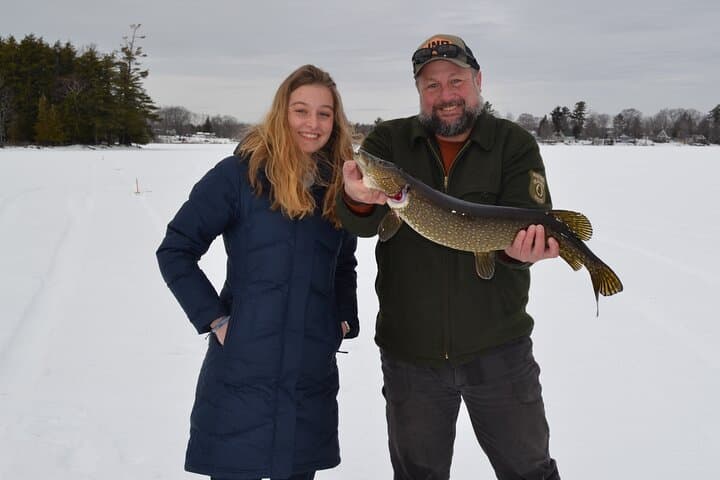
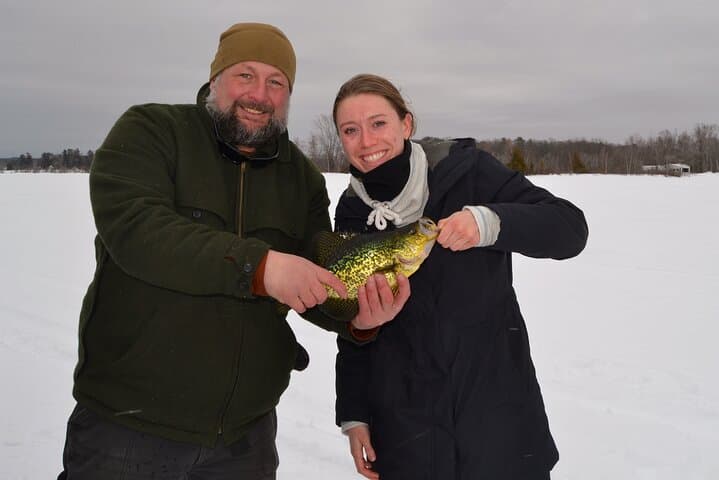
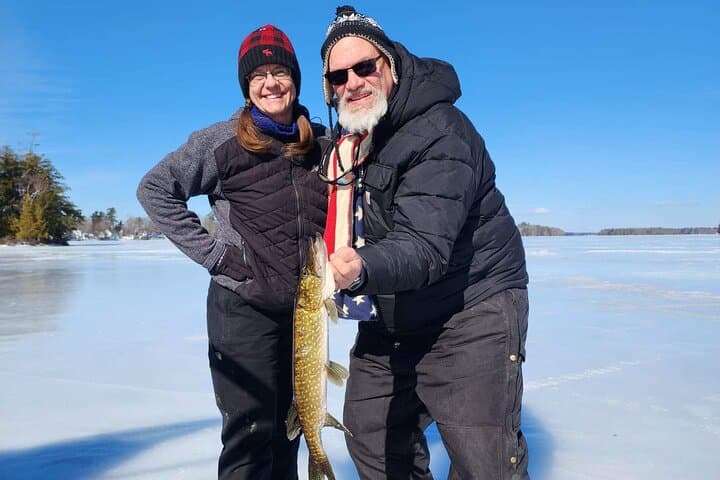
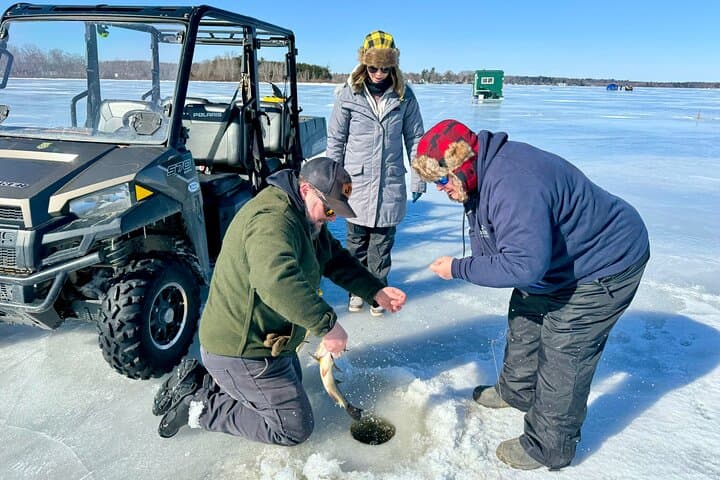
The first half-hour is a small ceremony: a short ride by Polaris side-by-side or a brisk walk to a warm ice shelter where coffee steams and a radio plays low. Flags snap upright when fish take the bait; the conversation drops to a delighted hush. This is traditional Maine icefishing—simple, social, and focused on the quiet work of coaxing trout or perch through the ice.
Geologically, Pushaw sits in a glacial basin carved at the end of the last ice age; its shallow waters warm and freeze quickly, producing dependable hardwater each winter. Locally, families have passed down tip-ups and techniques for generations, and the region’s working-lake culture—woodlots, small farms, and winter motorsports—still shapes how people use the ice.
Practical guidance: arrive layered (base, insulating midlayer, wind shell), bring warm waterproof boots, and plan for a 4-hour window on the ice. Guides supply rods, tackle, snacks, and a heated shelter; this private outing covers up to three anglers. Watch ice conditions and heed the guide’s safety briefing—ice varies by inlet, current, and thaw cycles.
Timing is key: mornings bring better light and steadier cold; midday can be productive when fish move. Leave only footprints and cut minimal holes. With basic preparation you’ll spend a half-day chasing flags, sipping coffee, and learning why icefishing remains a rooted Maine winter ritual.
easy.
4 hours.
Suitable for most fitness levels; requires ability to step on/off a side-by-side and stand or sit for several hours.
No—this trip is suitable for beginners; guides provide gear and basic instruction for rod handling and tip-up use.
Bookings cover up to three anglers in a private group for this half-day excursion.
The operator cancels if ice or weather conditions are unsafe; cancelations made at least 24 hours in advance are fully refundable per policy.
Ask the guide on arrival—regional rules apply and small fish can usually be kept; some guests prefer the catch-and-release approach.
Icefishing in the Bangor region traces back through generations of families and Indigenous use of inland waters; winter travel by sled and snowshoe shaped how communities used the lake.
Respect seasonal closures, pack out all line and bait containers, and avoid driving on ice—local outfitters monitor ice thickness to minimize environmental and safety risks.
Jim Neville Outdoors LLC operates guided outdoor trips and adventures with an emphasis on safety, stewardship, and memorable experiences.
A cold breath of Maine air meets the chuckle of an ATV as you arrive at Gould's Landing and step onto a sheet of glass—Pushaw Lake frozen solid under a high winter sky.
A cold breath of Maine air meets the chuckle of an ATV as you arrive at Gould's Landing and step onto a sheet of glass—Pushaw Lake frozen solid under a high winter sky.
The first half-hour is a small ceremony: a short ride by Polaris side-by-side or a brisk walk to a warm ice shelter where coffee steams and a radio plays low. Flags snap upright when fish take the bait; the conversation drops to a delighted hush. This is traditional Maine icefishing—simple, social, and focused on the quiet work of coaxing trout or perch through the ice.
Geologically, Pushaw sits in a glacial basin carved at the end of the last ice age; its shallow waters warm and freeze quickly, producing dependable hardwater each winter. Locally, families have passed down tip-ups and techniques for generations, and the region’s working-lake culture—woodlots, small farms, and winter motorsports—still shapes how people use the ice.
Practical guidance: arrive layered (base, insulating midlayer, wind shell), bring warm waterproof boots, and plan for a 4-hour window on the ice. Guides supply rods, tackle, snacks, and a heated shelter; this private outing covers up to three anglers. Watch ice conditions and heed the guide’s safety briefing—ice varies by inlet, current, and thaw cycles.
Timing is key: mornings bring better light and steadier cold; midday can be productive when fish move. Leave only footprints and cut minimal holes. With basic preparation you’ll spend a half-day chasing flags, sipping coffee, and learning why icefishing remains a rooted Maine winter ritual.