THE ADVENTURE COLLECTIVE® · Independent discovery and booking for outdoor travel

Cross the border and trade Bangkok bustle for ancient stone and jungle pools. This 4-day overland itinerary combines Angkor Wat’s dawn light with Kulen’s waterfalls, Beng Mealea’s wild corridors and Tonle Sap’s floating villages.
Cross the border and trade Bangkok bustle for ancient stone and jungle pools. This 4-day overland itinerary combines Angkor Wat’s dawn light with Kulen’s waterfalls, Beng Mealea’s wild corridors and Tonle Sap’s floating villages.
Before sunrise the road unwinds like a long, patient ribbon — you leave Bangkok’s hum and cross the border into the plains that once fed an empire. By dawn you’ll be on the terraces of Angkor Wat as the first light pries open bas-reliefs and the temple’s reflection sharpens in the moat; the stones seem to keep the memory of dynasties in their cracks.
Verified experiences and guided adventures in the surrounding area.
Operated by BREKSA TRAVEL · Siem Reap, Siem Reap Province
Before sunrise the road unwinds like a long, patient ribbon — you leave Bangkok’s hum and cross the border into the plains that once fed an empire. By dawn you’ll be on the terraces of Angkor Wat as the first light pries open bas-reliefs and the temple’s reflection sharpens in the moat; the stones seem to keep the memory of dynasties in their cracks.
This four-day overland package threads history, geology and village life. Angkor’s sandstone galleries, carved from ancient riverbeds, record Khmer cosmology and the empire’s 9th–15th century reach. Kulen Mountain shifts the mood — limestone streams, clear pools and a reclining Buddha carved into bedrock — while Beng Mealea wears the jungle’s slow reclamation like a cloak. On Tonle Sap you meet floating villages where stilted houses rise and fall with the seasons and waterbirds treat the sky like a runway.
Expect early starts (sunrise at Angkor is a ritual), a mix of paved approaches and uneven temple surfaces underfoot, short hikes at Kulen and boat time at Kampong Phluk. Cultural notes: bring small change for local vendors and modest clothing for temple entry — shoulders and knees covered. Practicalities: Poipet border requires visa-on-arrival paperwork and passport photos; the road transfer is private and air-conditioned, but passport validity and visa fees are your responsibility.
Hydrate for heat, wear grippy shoes for roots and sandstone, and plan relaxed evenings in Siem Reap to recover. The trip balances iconic ruins with raw nature — stones that whisper history and rivers that dare you to slow down.
moderate.
4 days.
Moderate fitness recommended: expect early starts, several hours of walking each day on uneven ground and short hikes up to limestone viewpoints.
Most nationalities can obtain a visa on arrival at Poipet; bring passport-sized photos, the visa fee in USD, and ensure your passport has at least six months validity.
Siem Reap accepts cards at many hotels and restaurants, but smaller vendors, temples donations and boat rides often require cash—carry USD and local riel for small transactions.
Pickup is typically around 4:30–4:40 AM to reach Angkor Wat with time for sunrise views and photos before crowds arrive.
Pools at Kulen are generally safe for swimming but can be cold and have slippery rocks; wear water shoes and follow local guidance about currents and access points.
The Angkor complex grew under the Khmer Empire from the 9th to 15th centuries; its temples served political, religious and hydraulic functions across the region.
Tourism carries impact—stick to marked paths, avoid touching carvings, support community-run enterprises and reduce single-use plastics to protect fragile sites and waterways.
BREKSA TRAVEL operates guided outdoor trips and adventures with an emphasis on safety, stewardship, and memorable experiences.
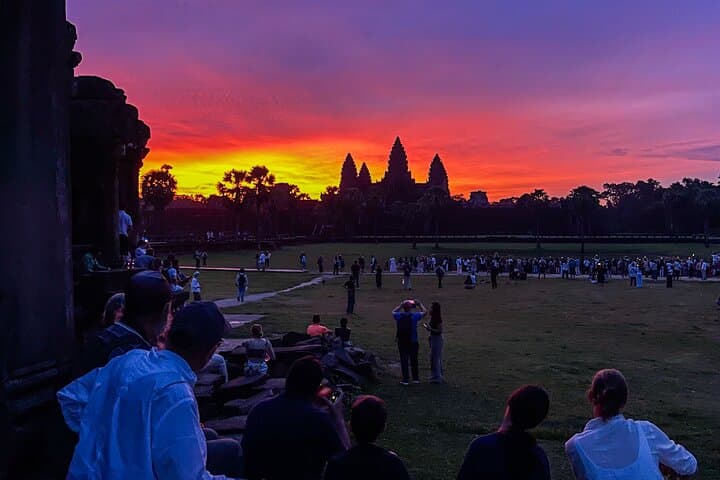
Before sunrise the road unwinds like a long, patient ribbon — you leave Bangkok’s hum and cross the border into the plains that once fed an empire. By dawn you’ll be on the terraces of Angkor Wat as the first light pries open bas-reliefs and the temple’s reflection sharpens in the moat; the stones seem to keep the memory of dynasties in their cracks.
Before sunrise the road unwinds like a long, patient ribbon — you leave Bangkok’s hum and cross the border into the plains that once fed an empire. By dawn you’ll be on the terraces of Angkor Wat as the first light pries open bas-reliefs and the temple’s reflection sharpens in the moat; the stones seem to keep the memory of dynasties in their cracks.
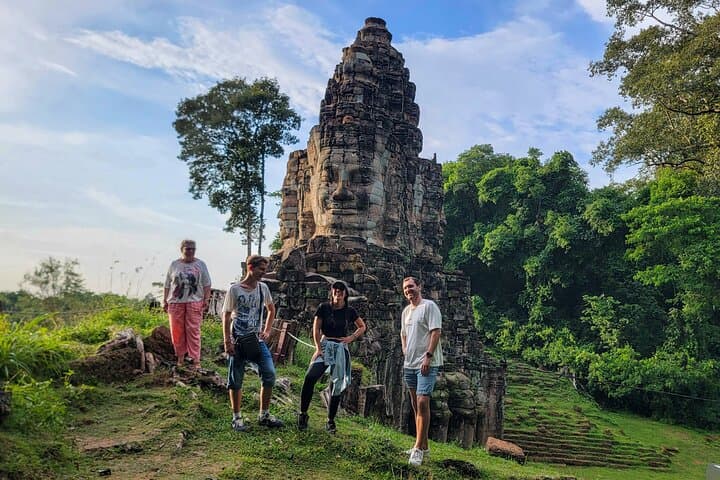
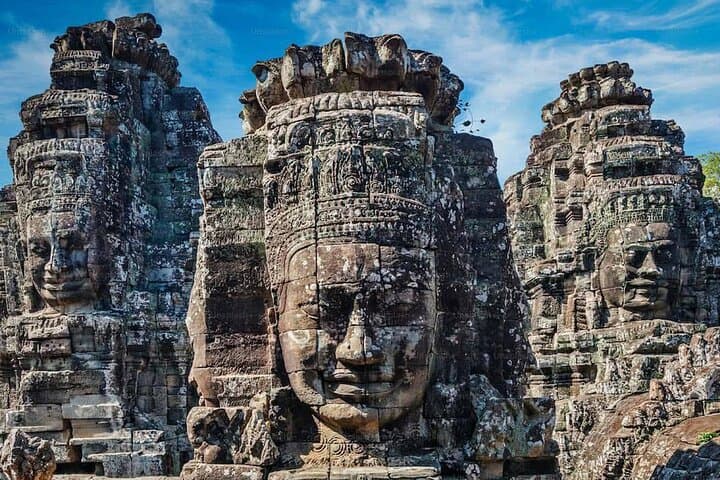
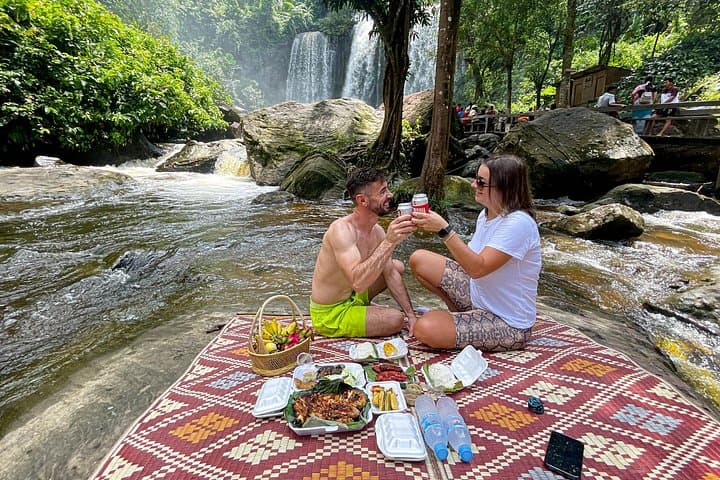
This four-day overland package threads history, geology and village life. Angkor’s sandstone galleries, carved from ancient riverbeds, record Khmer cosmology and the empire’s 9th–15th century reach. Kulen Mountain shifts the mood — limestone streams, clear pools and a reclining Buddha carved into bedrock — while Beng Mealea wears the jungle’s slow reclamation like a cloak. On Tonle Sap you meet floating villages where stilted houses rise and fall with the seasons and waterbirds treat the sky like a runway.
Expect early starts (sunrise at Angkor is a ritual), a mix of paved approaches and uneven temple surfaces underfoot, short hikes at Kulen and boat time at Kampong Phluk. Cultural notes: bring small change for local vendors and modest clothing for temple entry — shoulders and knees covered. Practicalities: Poipet border requires visa-on-arrival paperwork and passport photos; the road transfer is private and air-conditioned, but passport validity and visa fees are your responsibility.
Hydrate for heat, wear grippy shoes for roots and sandstone, and plan relaxed evenings in Siem Reap to recover. The trip balances iconic ruins with raw nature — stones that whisper history and rivers that dare you to slow down.