THE ADVENTURE COLLECTIVE® · Independent discovery and booking for outdoor travel

Experience Rattanakosin on a private two‑hour walking tour that links Museum Siam, the historic Drum Tower, the understated Royal Clock Tower, and the City Pillar Shrine. Perfect for first‑time visitors who want a compact introduction to Bangkok’s founding district.
Experience Rattanakosin on a private two‑hour walking tour that links Museum Siam, the historic Drum Tower, the understated Royal Clock Tower, and the City Pillar Shrine. Perfect for first‑time visitors who want a compact introduction to Bangkok’s founding district.
You step off the tuk‑tuk and into Rattanakosin’s heartbeat: a narrow street where temple bells and market calls collide, and the air carries incense and grilled satay.
Verified experiences and guided adventures in the surrounding area.
Operated by Opatrip.com Thailand · Bangkok, Bangkok
You step off the tuk‑tuk and into Rattanakosin’s heartbeat: a narrow street where temple bells and market calls collide, and the air carries incense and grilled satay.
The two‑hour private tour threads between Museum Siam’s interactive displays and the venerable Drum Tower, moving past the modest white Royal Clock Tower before pausing at the City Pillar Shrine where Bangkok’s foundation myths meet daily devotion. Each stop is compact but dense: Museum Siam frames centuries of Siamese identity with hands‑on exhibits; the Drum Tower, raised in 1782, still marks an era of early Bangkok urban design; the Clock Tower, a 19th‑century oddity, hides in plain sight; and the City Pillar Shrine is where ritual and civic pride converge.
This route sits on the Rattanakosin island formed when the Chao Phraya’s old channels were reshaped during Bangkok’s founding in 1782 under King Rama I. The area’s low, brick streets and colonial facades tell a history of merchants, monarchs and modern commuters. Expect a brisk, mostly flat walk on mixed pavement with short alleys and occasional temple steps.
Practical guide: start early or late afternoon to avoid the midday heat, wear breathable shoes and bring a bottle of water. Modest clothing is required for shrine access (shoulders and knees covered). The guide will keep timing tight—admissions to museums are usually separate—so budget extra time if you want to enter paid sites. This is city travel that rewards curiosity: look up for decorative stucco, and slow down to catch the small rituals that make Bangkok feel alive.
easy.
2 hours.
Light urban walking on mostly flat pavement; suitable for most fitness levels
Meeting location is typically central Rattanakosin near Museum Siam or a nearby hotel—your confirmation will list the exact pickup or meet point.
Admissions to museums or paid attractions are generally not included; the guide can advise which stops require separate tickets.
Much of the route is on flat pavement, but some temple areas have steps—contact the operator in advance to confirm accessibility options.
Tipping is appreciated but not mandatory; a small gratuity (100–300 THB) is common for private tours depending on service.
Rattanakosin was established in 1782 when King Rama I founded Bangkok as the new capital; many monuments here date from the early Rattanakosin period and reflect the city’s royal and bureaucratic origins.
High visitor numbers put pressure on fragile temple interiors and narrow streets—stick to marked paths, avoid touching gilded surfaces, and follow local dress and photography rules.
Opatrip.com Thailand operates guided outdoor trips and adventures with an emphasis on safety, stewardship, and memorable experiences.
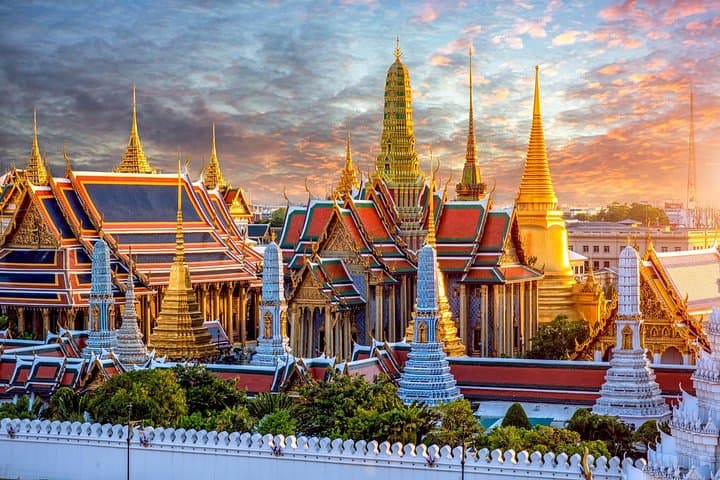
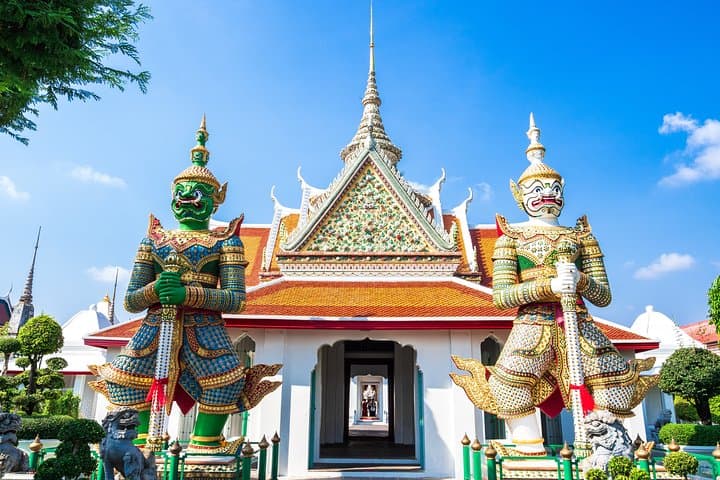
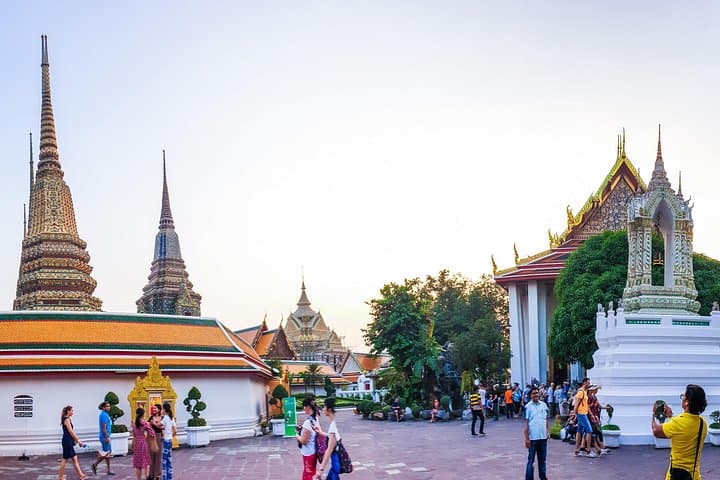
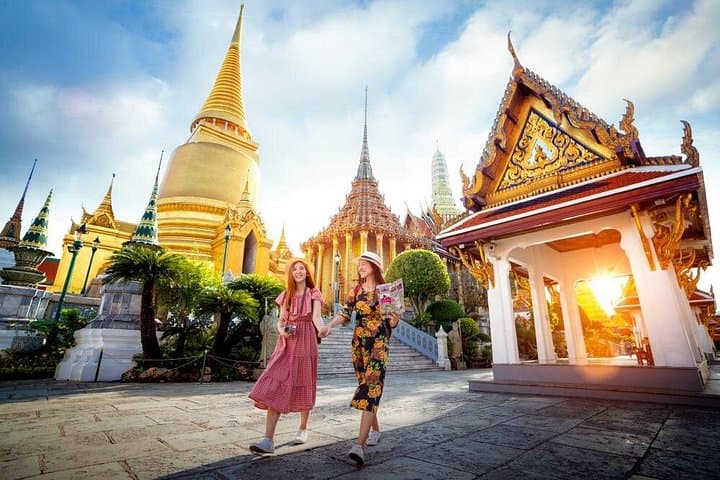
You step off the tuk‑tuk and into Rattanakosin’s heartbeat: a narrow street where temple bells and market calls collide, and the air carries incense and grilled satay.
You step off the tuk‑tuk and into Rattanakosin’s heartbeat: a narrow street where temple bells and market calls collide, and the air carries incense and grilled satay.
The two‑hour private tour threads between Museum Siam’s interactive displays and the venerable Drum Tower, moving past the modest white Royal Clock Tower before pausing at the City Pillar Shrine where Bangkok’s foundation myths meet daily devotion. Each stop is compact but dense: Museum Siam frames centuries of Siamese identity with hands‑on exhibits; the Drum Tower, raised in 1782, still marks an era of early Bangkok urban design; the Clock Tower, a 19th‑century oddity, hides in plain sight; and the City Pillar Shrine is where ritual and civic pride converge.
This route sits on the Rattanakosin island formed when the Chao Phraya’s old channels were reshaped during Bangkok’s founding in 1782 under King Rama I. The area’s low, brick streets and colonial facades tell a history of merchants, monarchs and modern commuters. Expect a brisk, mostly flat walk on mixed pavement with short alleys and occasional temple steps.
Practical guide: start early or late afternoon to avoid the midday heat, wear breathable shoes and bring a bottle of water. Modest clothing is required for shrine access (shoulders and knees covered). The guide will keep timing tight—admissions to museums are usually separate—so budget extra time if you want to enter paid sites. This is city travel that rewards curiosity: look up for decorative stucco, and slow down to catch the small rituals that make Bangkok feel alive.