THE ADVENTURE COLLECTIVE® · Independent discovery and booking for outdoor travel

A compact, three-hour walking tour that pairs Wat Pho’s 45-meter Reclining Buddha with the riverside majesty of Wat Arun. Expect steep temple steps, a riverside ferry crossing and clear dress-code rules—ideal for travelers who want cultural depth without a full-day commitment.
A compact, three-hour walking tour that pairs Wat Pho’s 45-meter Reclining Buddha with the riverside majesty of Wat Arun. Expect steep temple steps, a riverside ferry crossing and clear dress-code rules—ideal for travelers who want cultural depth without a full-day commitment.
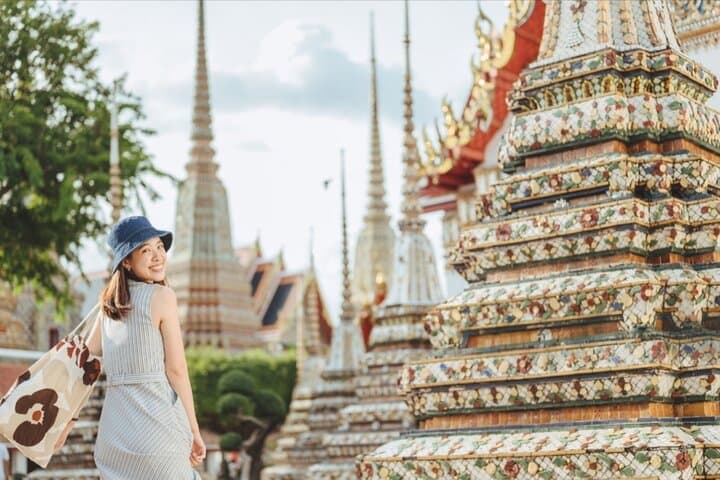
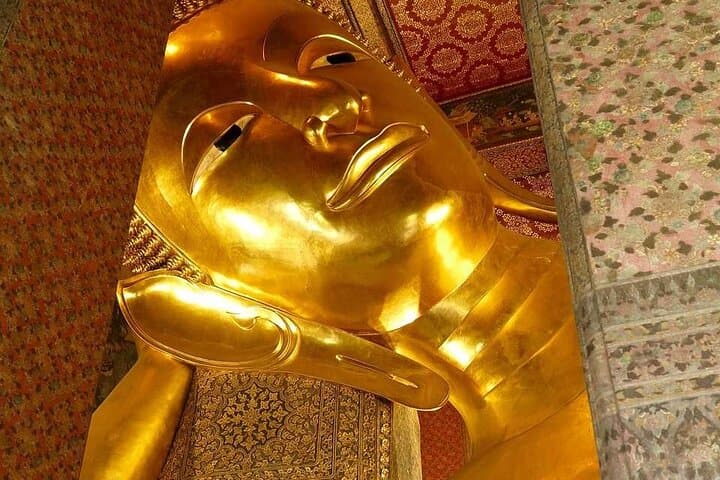
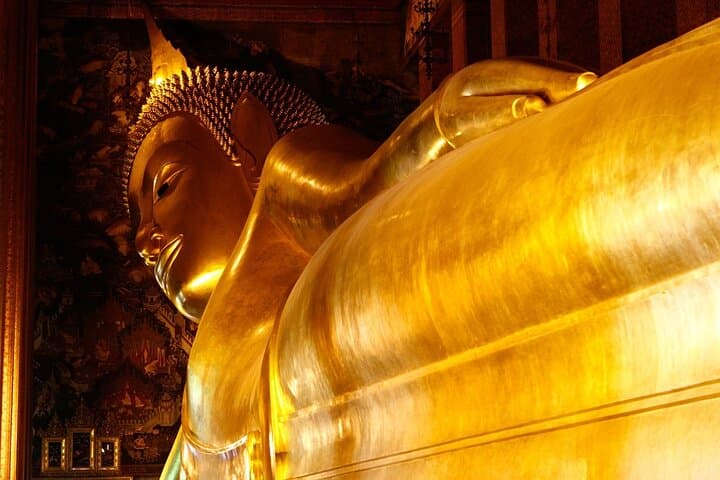
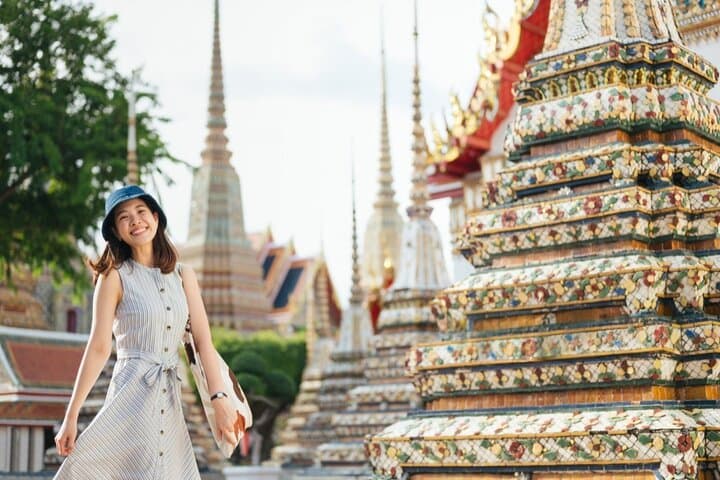
You step off the BTS at Saphan Taksin and the city rearranges itself around the river: vendors calling, long-tail boats slicing reflections, and the day's heat pressing upward from the pavement. Within an hour the gilded belly of the Reclining Buddha at Wat Pho dominates the frame — a quiet, monumental presence — while across the Chao Phraya River Wat Arun’s porcelain-studded spire rises like a fingertip against the sky.
Verified experiences and guided adventures in the surrounding area.
Operated by Bangkok Travel Agency · Bangkok, Bangkok
You step off the BTS at Saphan Taksin and the city rearranges itself around the river: vendors calling, long-tail boats slicing reflections, and the day's heat pressing upward from the pavement. Within an hour the gilded belly of the Reclining Buddha at Wat Pho dominates the frame — a quiet, monumental presence — while across the Chao Phraya River Wat Arun’s porcelain-studded spire rises like a fingertip against the sky.
These two temples bookend Bangkok’s religious and architectural history. Wat Pho dates to the Ayutthaya and early Rattanakosin eras and houses Thailand’s largest reclining Buddha and a center for traditional Thai massage. Wat Arun’s central prang, rebuilt and embellished in the 19th century, uses broken Chinese porcelain to create patterns that flash as the sun moves. Geologically the low-lying Chao Phraya floodplain shaped settlement patterns here; the river has long been the city’s lifeline, ferrying people, goods and ideas.
Culturally this walk is a study in reverence and routine: monks in saffron, families offering incense, and ritual footsteps that repeat daily. Expect 3 hours of steady walking, river crossings and steep temple steps; shoes will be removed in some sanctuaries. Bring a light shawl or long pants to meet dress codes, hydrate for Bangkok’s heat, and aim for the early departure to avoid crowds and strongest sun.
Practical tips: meet at Saphan Taksin, follow your guide’s temple etiquette, and carry small bills for entrance fees and donations. The route is compact but sensory — the river dares you to slow down; the temples push you to look up.
easy.
3–4 hours.
Light walking ability required—comfortable on paved surfaces and short temple stair sections; suitable for most fitness levels.
Entrance fees for Wat Pho and Wat Arun are typically not included; small admission charges are paid locally—keep small Thai baht bills for tickets or donations.
The meeting point is Saphan Taksin BTS Station, Exit 2 (Central Bangrak in front of Starbucks); hotel pickup is generally not provided, so arrive at the station on time.
Both men and women should cover shoulders and knees; sleeveless tops, short shorts, and revealing clothing are not permitted—bring a shawl or long pants to comply.
Yes—many indoor or sacred spaces require shoes to be removed; wear socks or shoes that are quick to take off and put back on.
Wat Pho is one of Bangkok’s oldest temples and a center for traditional Thai medicine; Wat Arun’s porcelain-covered prang was rebuilt and ornamented in the 19th century as Bangkok grew along the river.
The Chao Phraya floodplain faces pollution and development pressure; visitors can help by not littering, keeping to marked paths and avoiding feeding wildlife.
Bangkok Travel Agency operates guided outdoor trips and adventures with an emphasis on safety, stewardship, and memorable experiences.
You step off the BTS at Saphan Taksin and the city rearranges itself around the river: vendors calling, long-tail boats slicing reflections, and the day's heat pressing upward from the pavement. Within an hour the gilded belly of the Reclining Buddha at Wat Pho dominates the frame — a quiet, monumental presence — while across the Chao Phraya River Wat Arun’s porcelain-studded spire rises like a fingertip against the sky.
You step off the BTS at Saphan Taksin and the city rearranges itself around the river: vendors calling, long-tail boats slicing reflections, and the day's heat pressing upward from the pavement. Within an hour the gilded belly of the Reclining Buddha at Wat Pho dominates the frame — a quiet, monumental presence — while across the Chao Phraya River Wat Arun’s porcelain-studded spire rises like a fingertip against the sky.
These two temples bookend Bangkok’s religious and architectural history. Wat Pho dates to the Ayutthaya and early Rattanakosin eras and houses Thailand’s largest reclining Buddha and a center for traditional Thai massage. Wat Arun’s central prang, rebuilt and embellished in the 19th century, uses broken Chinese porcelain to create patterns that flash as the sun moves. Geologically the low-lying Chao Phraya floodplain shaped settlement patterns here; the river has long been the city’s lifeline, ferrying people, goods and ideas.
Culturally this walk is a study in reverence and routine: monks in saffron, families offering incense, and ritual footsteps that repeat daily. Expect 3 hours of steady walking, river crossings and steep temple steps; shoes will be removed in some sanctuaries. Bring a light shawl or long pants to meet dress codes, hydrate for Bangkok’s heat, and aim for the early departure to avoid crowds and strongest sun.
Practical tips: meet at Saphan Taksin, follow your guide’s temple etiquette, and carry small bills for entrance fees and donations. The route is compact but sensory — the river dares you to slow down; the temples push you to look up.