THE ADVENTURE COLLECTIVE® · Independent discovery and booking for outdoor travel

Explore Bangkok's Chinatown, Pak Khlong Talat flower market, Wat Pho, Wat Arun and the city's canals on a private half‑day tour that blends tuk‑tuks and a long‑tail boat. Practical tips on dress code, transport, and what to expect accompany the route.
Explore Bangkok's Chinatown, Pak Khlong Talat flower market, Wat Pho, Wat Arun and the city's canals on a private half‑day tour that blends tuk‑tuks and a long‑tail boat. Practical tips on dress code, transport, and what to expect accompany the route.
You step out into the crush of Yaowarat as steam and neon tug at every sense—vendors calling, carts clinking, and temples like quiet islands ahead. The tour threads you through Chinatown's goldsmith alleys, down the thrum of Pak Khlong Talat flower stacks, then onto a tuk‑tuk that rumbles toward the river.
Verified experiences and guided adventures in the surrounding area.
Operated by Guide Bangkok Travel · Bangkok, Bangkok
You step out into the crush of Yaowarat as steam and neon tug at every sense—vendors calling, carts clinking, and temples like quiet islands ahead. The tour threads you through Chinatown's goldsmith alleys, down the thrum of Pak Khlong Talat flower stacks, then onto a tuk‑tuk that rumbles toward the river.
This route traces Bangkok's modern and older lives: Yaowarat grew as a Chinese trading quarter in the 19th century; the flower market became a national hub for exports; Wat Pho served as a center of learning and houses the Reclining Buddha with its mother-of-pearl inlay. The Chao Phraya is the city's living artery—geologically a lowland river plain carved by monsoon flows, culturally a transport corridor that made Bangkok a regional capital.
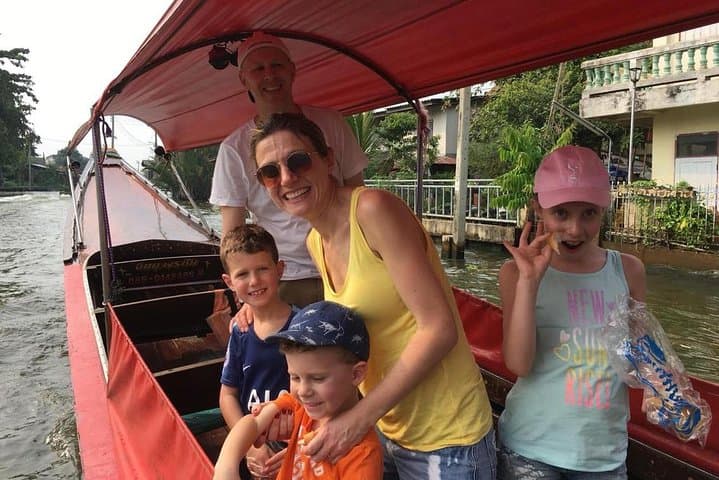
From Wat Pho's shady cloisters you cross by shuttle to Wat Arun, its porcelain-studded prang glittering above the river. A private long-tail boat then pushes into narrow khlongs where local life plays out on wooden steps and small stalls—rice paddies are gone, but community rhythms remain.
Practical edge: wear covered shoulders and knees for temple visits, bring a refillable bottle, and expect uneven pavement and short walking stretches between stops. The day runs about six hours; traffic and boat currents set the pace, not your schedule. Guides handle tickets, public transport, and hotel pickup, but pack light, keep valuables secure, and plan for sun or sudden tropical downpours.
easy.
5–6 hours.
Suitable for most fitness levels; expect moderate walking on uneven sidewalks and short stair sections at piers.
The tour includes all admissions listed in the itinerary, including Wat Pho and Wat Arun where applicable.
Hotel pickup and drop‑off within central Bangkok are provided as part of the private tour—confirm your pickup point when booking.
Children under 4 travel free but must sit on an adult's lap; the tour requires a minimum of two people per booking.
It’s a private tour, so guides are flexible within the itinerary and timing—discuss preferences before or at pickup to adjust the pace or add short stops.
The route follows Bangkok's growth as a river port since the late 18th century; Wat Pho functioned as an early educational center for Thai medicine and script.
Canal ecosystems are stressed by urban runoff—minimize plastic waste, support local vendors, and follow guide directions to avoid damaging riverbanks.
Guide Bangkok Travel operates guided outdoor trips and adventures with an emphasis on safety, stewardship, and memorable experiences.
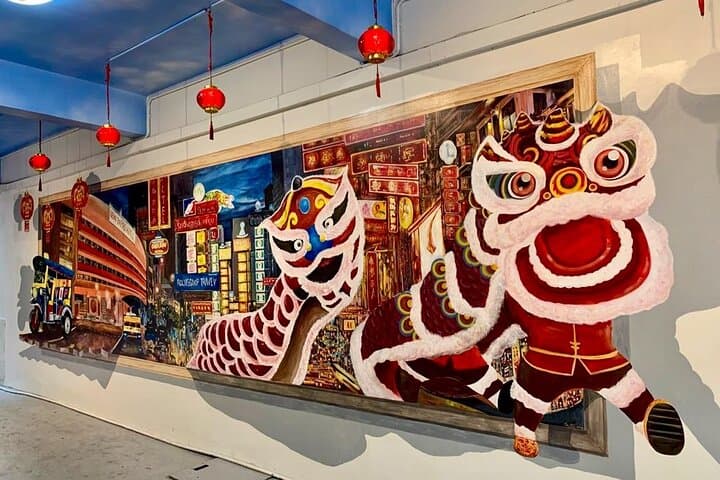
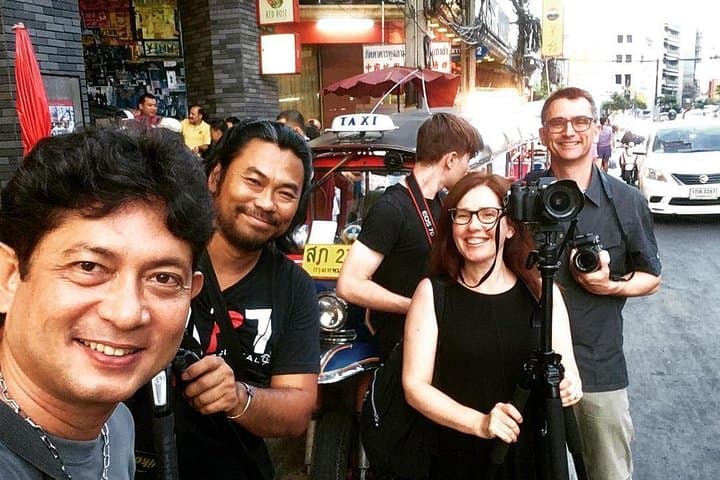
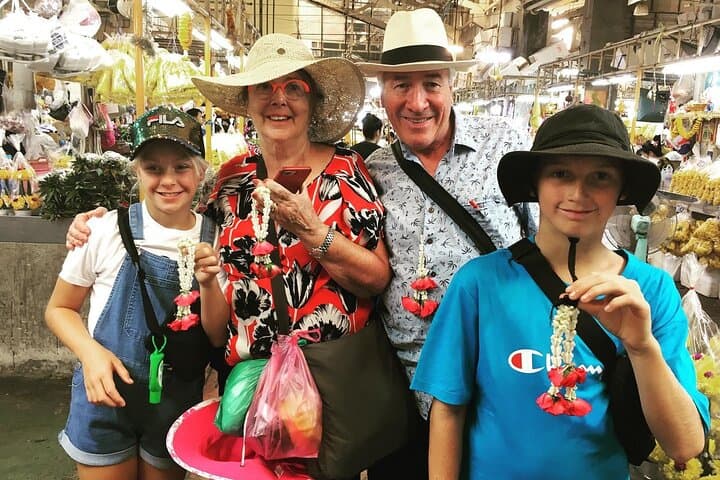
You step out into the crush of Yaowarat as steam and neon tug at every sense—vendors calling, carts clinking, and temples like quiet islands ahead. The tour threads you through Chinatown's goldsmith alleys, down the thrum of Pak Khlong Talat flower stacks, then onto a tuk‑tuk that rumbles toward the river.
You step out into the crush of Yaowarat as steam and neon tug at every sense—vendors calling, carts clinking, and temples like quiet islands ahead. The tour threads you through Chinatown's goldsmith alleys, down the thrum of Pak Khlong Talat flower stacks, then onto a tuk‑tuk that rumbles toward the river.
This route traces Bangkok's modern and older lives: Yaowarat grew as a Chinese trading quarter in the 19th century; the flower market became a national hub for exports; Wat Pho served as a center of learning and houses the Reclining Buddha with its mother-of-pearl inlay. The Chao Phraya is the city's living artery—geologically a lowland river plain carved by monsoon flows, culturally a transport corridor that made Bangkok a regional capital.
From Wat Pho's shady cloisters you cross by shuttle to Wat Arun, its porcelain-studded prang glittering above the river. A private long-tail boat then pushes into narrow khlongs where local life plays out on wooden steps and small stalls—rice paddies are gone, but community rhythms remain.
Practical edge: wear covered shoulders and knees for temple visits, bring a refillable bottle, and expect uneven pavement and short walking stretches between stops. The day runs about six hours; traffic and boat currents set the pace, not your schedule. Guides handle tickets, public transport, and hotel pickup, but pack light, keep valuables secure, and plan for sun or sudden tropical downpours.