THE ADVENTURE COLLECTIVE® · Independent discovery and booking for outdoor travel

Explore Bangkok’s darker corners on a guided evening tour through Siriraj Medical Museum, the historic Wat Don Cemetery, and a ghost-themed noodle house and bar. Expect forensic exhibits, Chinese burial grounds, local folklore, dinner, and a themed cocktail in one atmospheric night out.
Explore Bangkok’s darker corners on a guided evening tour through Siriraj Medical Museum, the historic Wat Don Cemetery, and a ghost-themed noodle house and bar. Expect forensic exhibits, Chinese burial grounds, local folklore, dinner, and a themed cocktail in one atmospheric night out.
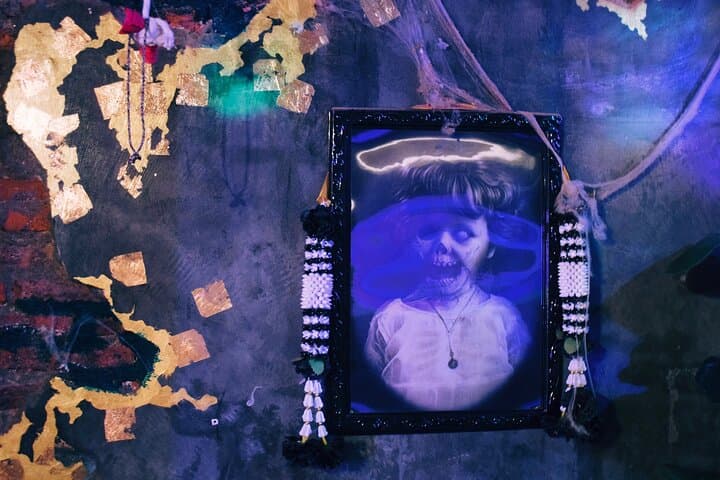
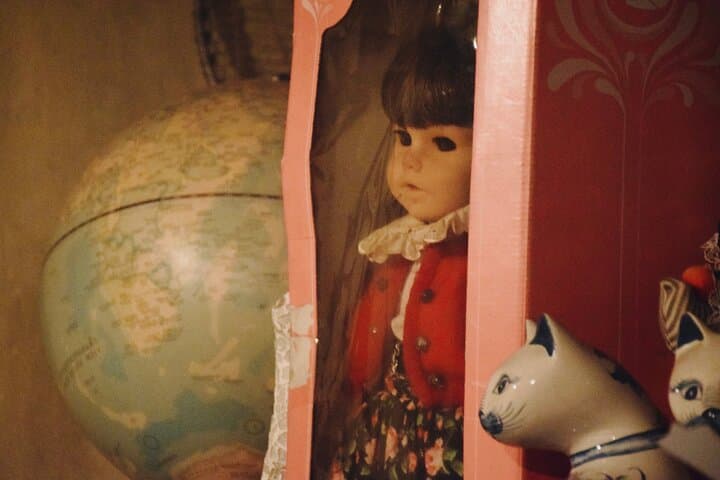
The city exhales differently after dark: tuk-tuks cut through neon, the Chao Phraya hums like a distant engine, and the alleys off Sathon feel narrower, as if the past leans closer. On this evening tour, a small group moves between stark museum halls, lamp-lit tombstones, and a noodle shop where ghost cartoons crowd the walls—each stop a notch deeper into Bangkok’s folklore and urban history.
Verified experiences and guided adventures in the surrounding area.
Operated by Hari Tour · Bangkok, Bangkok
The city exhales differently after dark: tuk-tuks cut through neon, the Chao Phraya hums like a distant engine, and the alleys off Sathon feel narrower, as if the past leans closer. On this evening tour, a small group moves between stark museum halls, lamp-lit tombstones, and a noodle shop where ghost cartoons crowd the walls—each stop a notch deeper into Bangkok’s folklore and urban history.
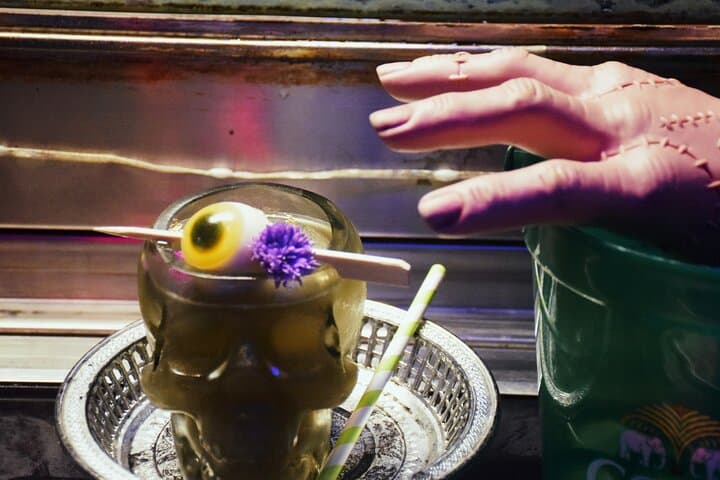
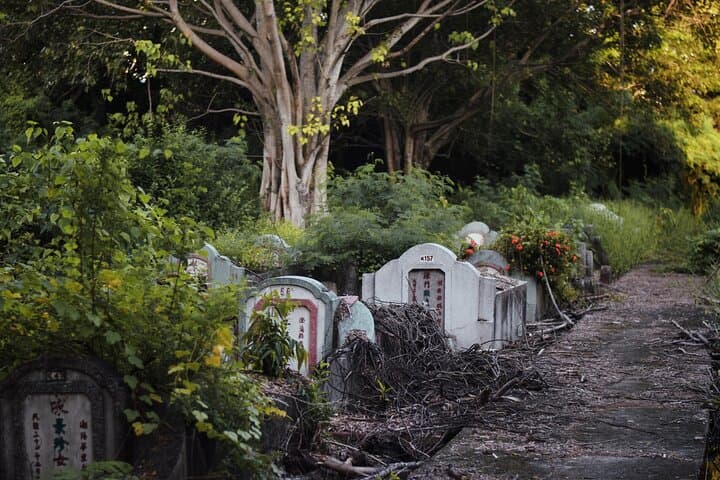
Siriraj Medical Museum opens with clinical fluorescence and forensic displays that map Thailand’s modern medical history—bodies, pathology, and the infamous Si Ouey case that blurred fact and legend. Wat Don Cemetery, founded by Hakka immigrants in the early 20th century, stands next: a nine-acre grid of weathered stone and carved Chinese markers where local stories of restless spirits grew alongside community rituals. The Ghost Noodle House and a themed cocktail bar round out the night with food, theatrical mixology, and storytelling that makes folklore tangible rather than merely told.
Expect flat, urban walking—roughly 2–3 km total across sidewalks and short stairways—with air-conditioned transfers between points. The tour blends cultural context (immigrant burial customs, Thai spirit beliefs) with hands-on flavor: a casual dinner and one themed cocktail are included. Visitors should plan for graphic medical exhibits and dim cemetery lighting; mobility is generally easy but not suitable for those with recent spinal or serious heart conditions. Bring a charged phone or camera, comfortable shoes, modest clothing for temple-adjacent areas, and an open mind—this is part history lesson, part theatrical city walk, and wholly a different way to see Bangkok after dark.
easy.
10 hours.
Suitable for most fitness levels; requires standing and short walks totaling 2–3 km
Admission to Siriraj Medical Museum is included in the tour price as listed; check the voucher for specifics.
The museum contains real human specimens and may be disturbing to children—parents should exercise discretion.
Expect roughly 2–3 km of mostly flat walking distributed across sites, with vehicle transfers between major stops.
The tour is delivered in English by a local guide; verify ahead if you need a different language or private arrangements.
Wat Don Cemetery began as a Hakka community burial ground in the early 1900s; Siriraj Hospital and its museum document modern Thai medicine and forensic cases that shaped public perceptions of crime and morality.
Visitors are asked to respect grave markers, avoid removing artifacts or offerings, and follow museum rules—sustainable tourism means leaving sites as they were found.
Hari Tour operates guided outdoor trips and adventures with an emphasis on safety, stewardship, and memorable experiences.
The city exhales differently after dark: tuk-tuks cut through neon, the Chao Phraya hums like a distant engine, and the alleys off Sathon feel narrower, as if the past leans closer. On this evening tour, a small group moves between stark museum halls, lamp-lit tombstones, and a noodle shop where ghost cartoons crowd the walls—each stop a notch deeper into Bangkok’s folklore and urban history.
The city exhales differently after dark: tuk-tuks cut through neon, the Chao Phraya hums like a distant engine, and the alleys off Sathon feel narrower, as if the past leans closer. On this evening tour, a small group moves between stark museum halls, lamp-lit tombstones, and a noodle shop where ghost cartoons crowd the walls—each stop a notch deeper into Bangkok’s folklore and urban history.
Siriraj Medical Museum opens with clinical fluorescence and forensic displays that map Thailand’s modern medical history—bodies, pathology, and the infamous Si Ouey case that blurred fact and legend. Wat Don Cemetery, founded by Hakka immigrants in the early 20th century, stands next: a nine-acre grid of weathered stone and carved Chinese markers where local stories of restless spirits grew alongside community rituals. The Ghost Noodle House and a themed cocktail bar round out the night with food, theatrical mixology, and storytelling that makes folklore tangible rather than merely told.
Expect flat, urban walking—roughly 2–3 km total across sidewalks and short stairways—with air-conditioned transfers between points. The tour blends cultural context (immigrant burial customs, Thai spirit beliefs) with hands-on flavor: a casual dinner and one themed cocktail are included. Visitors should plan for graphic medical exhibits and dim cemetery lighting; mobility is generally easy but not suitable for those with recent spinal or serious heart conditions. Bring a charged phone or camera, comfortable shoes, modest clothing for temple-adjacent areas, and an open mind—this is part history lesson, part theatrical city walk, and wholly a different way to see Bangkok after dark.