THE ADVENTURE COLLECTIVE® · Independent discovery and booking for outdoor travel

A rapid, river-front tour that pairs a Chao Phraya cruise with visits to two of Bangkok’s most iconic temples—Wat Arun and Wat Pho. Ideal for travelers short on time who still want an immersive cultural snapshot and smooth logistics.
A rapid, river-front tour that pairs a Chao Phraya cruise with visits to two of Bangkok’s most iconic temples—Wat Arun and Wat Pho. Ideal for travelers short on time who still want an immersive cultural snapshot and smooth logistics.
You step off Saphan Taksin’s platform into humid air thick with river smells—diesel, jasmine, frying garlic—and the city immediately makes a promise: fast, focused, and unforgettable. A compact boat cuts through the Chao Phraya’s brown ribbon, flanked by wooden houses, modern towers, and temples that puncture the skyline.
Verified experiences and guided adventures in the surrounding area.
Operated by Sightseeing Chiang Mai · Bangkok, Bangkok
You step off Saphan Taksin’s platform into humid air thick with river smells—diesel, jasmine, frying garlic—and the city immediately makes a promise: fast, focused, and unforgettable. A compact boat cuts through the Chao Phraya’s brown ribbon, flanked by wooden houses, modern towers, and temples that puncture the skyline.
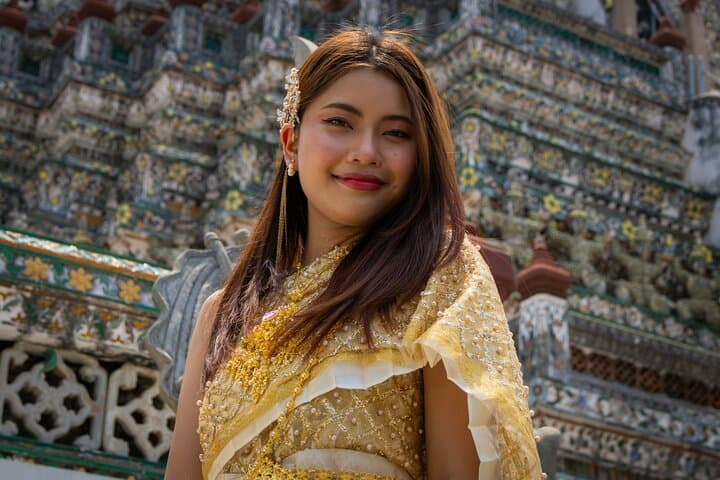
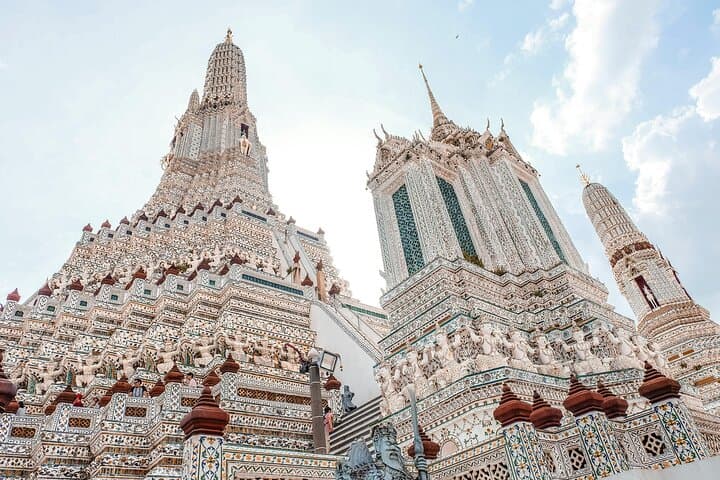
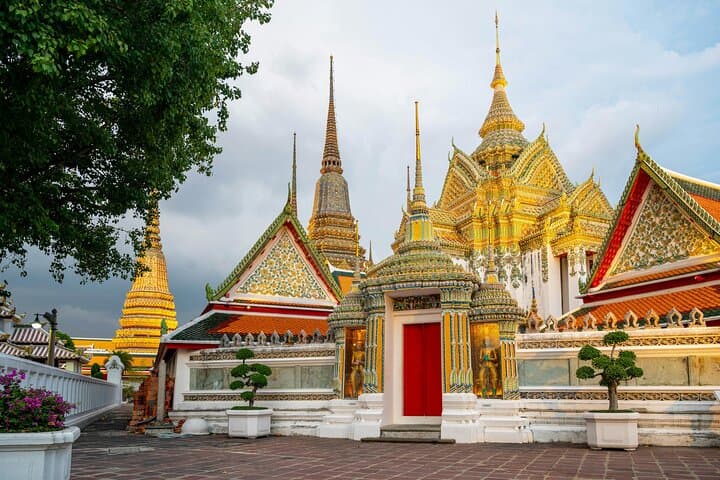
Wat Arun’s prang rises like a ceramic crown, its porcelain tiles catching sunlight and a thousand reflections from the river. Across the water, Wat Pho’s reclining Buddha stretches, gilded and serene, surrounded by cloistered courtyards and prayer bells. Both speak to Bangkok’s layered history: riverside trade routes that shaped the capital, Khmer and Ayutthaya influences in temple art, and a living tradition of daily devotion that keeps these sites active rather than museum pieces.
The tour is less about exhaustive study and more about concentrated access: a guided river transit, a close look at Wat Arun’s mosaic work, and time among Wat Pho’s murals and massage school history. Expect short on-foot segments, photo stops, and local color—flower vendors, chanting monks, and long-tail boats slipping by.
Practicalities are simple: meet at Saphan Taksin BTS, bring modest clothing for temple entry, carry small bills for admission and offerings, and plan on 3–4 hours including transit. Wear breathable shoes for steps and uneven temple grounds; a lightweight rain layer is smart during the monsoon months. For travelers with limited time, this express route delivers the essentials—river, art, and the calm center of Bangkok’s spiritual life—without getting bogged down in logistics.
easy.
3–4 hours.
Light walking ability; able to stand and climb short temple steps repeatedly.
No—temple admission fees are not included and must be paid on-site in local currency.
Yes—the itinerary includes scenic Chao Phraya river transfers as part of the tour experience.
Yes—shoulders and knees must be covered; no sleeveless tops, shorts, or flip-flops for entry.
The tour involves boarding small boats and navigating temple steps; contact the operator in advance to discuss accommodations.
Wat Arun and Wat Pho date to the early Bangkok period and reflect Ayutthaya and early Rattanakosin temple architecture; the river has long been the city’s transport lifeline.
The Chao Phraya faces pollution and siltation pressures—support responsible operators who avoid littering and respect temple grounds.
Sightseeing Chiang Mai operates guided outdoor trips and adventures with an emphasis on safety, stewardship, and memorable experiences.

You step off Saphan Taksin’s platform into humid air thick with river smells—diesel, jasmine, frying garlic—and the city immediately makes a promise: fast, focused, and unforgettable. A compact boat cuts through the Chao Phraya’s brown ribbon, flanked by wooden houses, modern towers, and temples that puncture the skyline.
You step off Saphan Taksin’s platform into humid air thick with river smells—diesel, jasmine, frying garlic—and the city immediately makes a promise: fast, focused, and unforgettable. A compact boat cuts through the Chao Phraya’s brown ribbon, flanked by wooden houses, modern towers, and temples that puncture the skyline.
Wat Arun’s prang rises like a ceramic crown, its porcelain tiles catching sunlight and a thousand reflections from the river. Across the water, Wat Pho’s reclining Buddha stretches, gilded and serene, surrounded by cloistered courtyards and prayer bells. Both speak to Bangkok’s layered history: riverside trade routes that shaped the capital, Khmer and Ayutthaya influences in temple art, and a living tradition of daily devotion that keeps these sites active rather than museum pieces.
The tour is less about exhaustive study and more about concentrated access: a guided river transit, a close look at Wat Arun’s mosaic work, and time among Wat Pho’s murals and massage school history. Expect short on-foot segments, photo stops, and local color—flower vendors, chanting monks, and long-tail boats slipping by.
Practicalities are simple: meet at Saphan Taksin BTS, bring modest clothing for temple entry, carry small bills for admission and offerings, and plan on 3–4 hours including transit. Wear breathable shoes for steps and uneven temple grounds; a lightweight rain layer is smart during the monsoon months. For travelers with limited time, this express route delivers the essentials—river, art, and the calm center of Bangkok’s spiritual life—without getting bogged down in logistics.