THE ADVENTURE COLLECTIVE® · Independent discovery and booking for outdoor travel

Walk Yaowarat’s neon alleys with a local guide and taste the dishes that define Bangkok’s Chinatown. This private evening tour pairs historical context with curated tastings and practical tips for navigating the area.
Walk Yaowarat’s neon alleys with a local guide and taste the dishes that define Bangkok’s Chinatown. This private evening tour pairs historical context with curated tastings and practical tips for navigating the area.
The lamps of Yaowarat lower to eye level as you step off the broad road into narrow alleys where steam, smoke and sweet syrup mingle. Carts hiss, woks clatter and the guide threads you through a maze of neon and faded shopfronts, pointing out dishes that have fed families here for generations.
Verified experiences and guided adventures in the surrounding area.
Operated by I Asia Thailand · Bangkok, Bangkok
The lamps of Yaowarat lower to eye level as you step off the broad road into narrow alleys where steam, smoke and sweet syrup mingle. Carts hiss, woks clatter and the guide threads you through a maze of neon and faded shopfronts, pointing out dishes that have fed families here for generations.
Chinatown began as a merchant quarter when Chinese traders settled beside the Chao Phraya’s alluvial plain; Yaowarat Road took shape in the late 19th century and the neighborhood’s streets still carry that mercantile rhythm. The district sits on reclaimed riverine sediments rather than dramatic geology, but the culture is layered—Sino-Thai temples, colonial shop-houses, and market stalls that form a living archive of cuisine and craft.
Expect bold flavors: salty-sweet oyster omelettes, braised pork over rice, sticky mango desserts and herbal teas. Your guide decodes ingredients, points out halal-friendly vendors and demonstrates proper street-eating etiquette. Conversations with stall-owners often reveal family recipes and the practical history behind dishes.
Practical guidance: tours run in the evening when temperatures ease; wear closed-toe walking shoes for uneven sidewalks and bring small change—many stalls are cash-preferred. If you have allergies, notify the guide in advance; they’ll steer you to suitable tastings. Hydrate between bites and pace yourself—this is about sampling, not finishing full portions.
A private tour compresses local knowledge, shortcuts and a tuk‑tuk hop into a single evening—ideal for first-timers who want a flavorful, safe, and culturally rich introduction to Bangkok’s most famous food streets.
easy.
4–5 hours.
Suitable for most fitness levels; requires standing and walking on city streets for several hours.
Yes—this private tour schedules multiple food tastings at stalls and small eateries; portions are sample-sized so you can try several dishes.
Return air‑conditioned private transfers from centrally located Bangkok hotels are included; confirm exact pickup time with your operator.
Local vendors use high-heat cooking and frequent turnover—street food in Bangkok is generally safe, but disclose allergies and choose cooked items if you have concerns.
The tour is private for your party with a maximum of 8 travelers; minimum one traveler required.
Yaowarat grew as a Chinese merchant quarter in the 19th century; many of today’s vendors are descendants of families who have run stalls for generations.
Support vendors who minimize single-use plastics and bring your own bottle or utensils; reducing waste helps congested market streets and local sanitation.
I Asia Thailand operates guided outdoor trips and adventures with an emphasis on safety, stewardship, and memorable experiences.
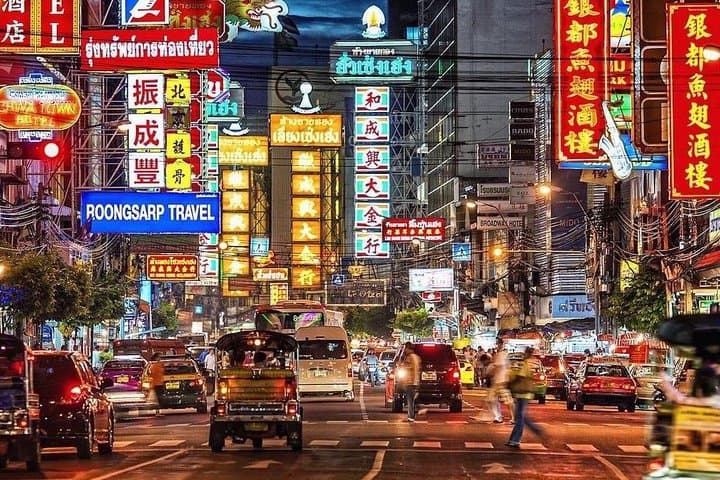
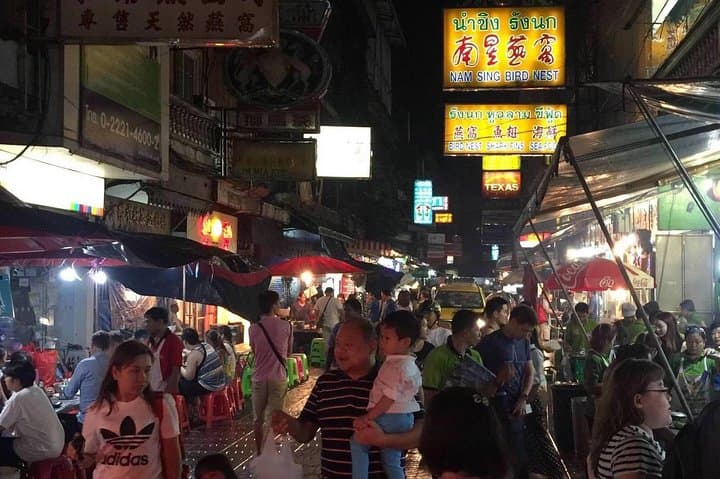
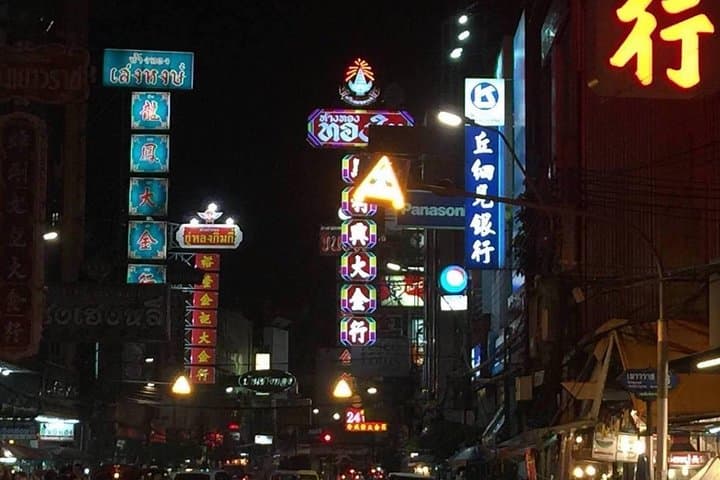
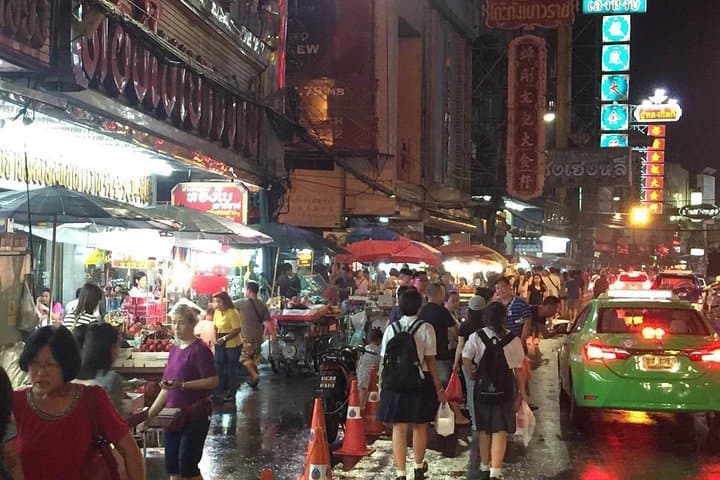
The lamps of Yaowarat lower to eye level as you step off the broad road into narrow alleys where steam, smoke and sweet syrup mingle. Carts hiss, woks clatter and the guide threads you through a maze of neon and faded shopfronts, pointing out dishes that have fed families here for generations.
The lamps of Yaowarat lower to eye level as you step off the broad road into narrow alleys where steam, smoke and sweet syrup mingle. Carts hiss, woks clatter and the guide threads you through a maze of neon and faded shopfronts, pointing out dishes that have fed families here for generations.
Chinatown began as a merchant quarter when Chinese traders settled beside the Chao Phraya’s alluvial plain; Yaowarat Road took shape in the late 19th century and the neighborhood’s streets still carry that mercantile rhythm. The district sits on reclaimed riverine sediments rather than dramatic geology, but the culture is layered—Sino-Thai temples, colonial shop-houses, and market stalls that form a living archive of cuisine and craft.
Expect bold flavors: salty-sweet oyster omelettes, braised pork over rice, sticky mango desserts and herbal teas. Your guide decodes ingredients, points out halal-friendly vendors and demonstrates proper street-eating etiquette. Conversations with stall-owners often reveal family recipes and the practical history behind dishes.
Practical guidance: tours run in the evening when temperatures ease; wear closed-toe walking shoes for uneven sidewalks and bring small change—many stalls are cash-preferred. If you have allergies, notify the guide in advance; they’ll steer you to suitable tastings. Hydrate between bites and pace yourself—this is about sampling, not finishing full portions.
A private tour compresses local knowledge, shortcuts and a tuk‑tuk hop into a single evening—ideal for first-timers who want a flavorful, safe, and culturally rich introduction to Bangkok’s most famous food streets.