THE ADVENTURE COLLECTIVE® · Independent discovery and booking for outdoor travel

Cut through Thonburi’s quiet canals on a 1–2 hour longtail boat ride that reveals riverside temples, rustic shophouses and the preserved charm of Baan Silapin. Ideal for photographers and culture seekers who prefer travel at water level.
Cut through Thonburi’s quiet canals on a 1–2 hour longtail boat ride that reveals riverside temples, rustic shophouses and the preserved charm of Baan Silapin. Ideal for photographers and culture seekers who prefer travel at water level.
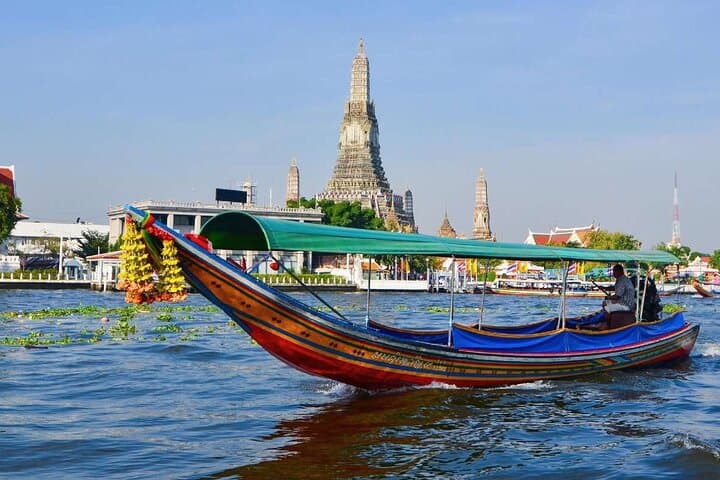
Morning light slices across the river and the longtail’s engine stutters to life—water grabs at the hull and pulls you down a network of narrow klongs where the city feels quieter, slower, almost conspiratorial.
Verified experiences and guided adventures in the surrounding area.
Operated by Before2 · Bangkok, Bangkok
Morning light slices across the river and the longtail’s engine stutters to life—water grabs at the hull and pulls you down a network of narrow klongs where the city feels quieter, slower, almost conspiratorial.
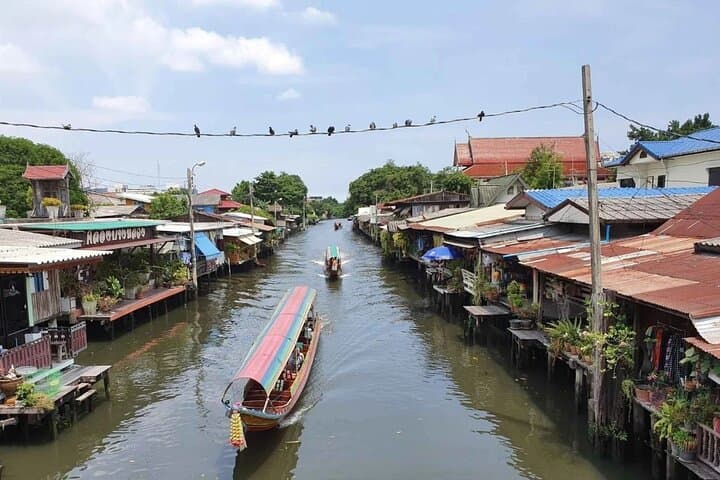
This two-hour passage threads through Thonburi’s canals, passing wooden houses on stilts, riverside markets, and the faded façades of 200-year-old shophouses. History here is literal: canals were Bangkok’s highways under King Rama II and earlier, directing trade, rice barges and temple processions. Geologically flat and low-lying, the area shows where the Chao Phraya fans into tributaries; sediment-rich banks mean mangrove remnants, muddy edges and pockets of wetland plants that invite kingfishers and egrets.
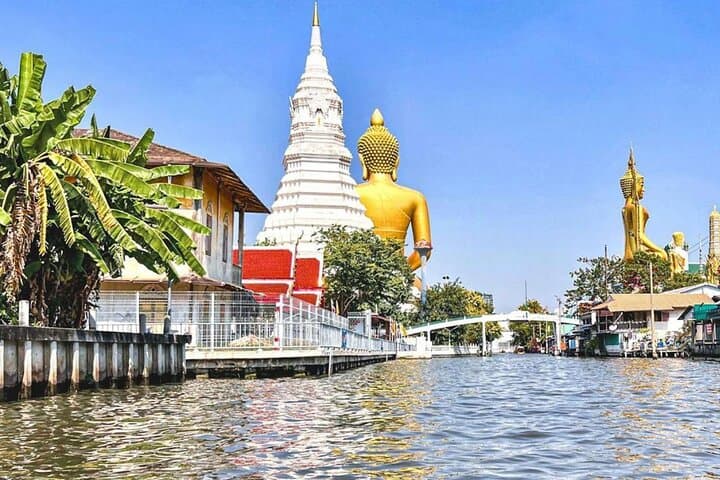
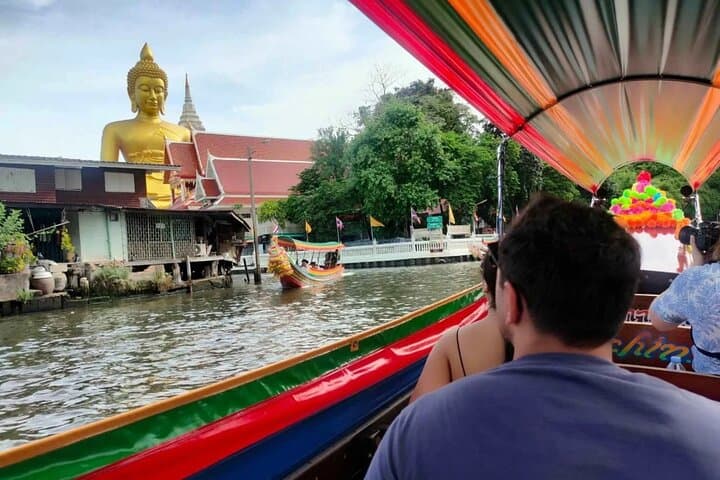
Culturally, the route pauses at Baan Silapin (The Artist’s House), a preserved community gallery where traditional puppet shows and local crafts still play out on a wooden walkway. Nearby the hulking Buddha of Wat Paknam Phasi Charoen—visible from the water—reminds travelers that faith and commerce share these banks.
Practical guidance is straightforward: boats are open-sided—expect sun and spray—so sit low for balance, keep cameras secured, and board from small docks; minimal walking is required. Morning or late afternoon nets the best light and cooler temperatures. Bring sun protection, a small bottle of water, and a light rain layer in monsoon season. Guides typically point out architecture and local life; listen for safe-boarding instructions and follow crew guidance around narrow turns. The trip is short but immersive: a compact cross-section of Bangkok life lived at water level.
easy.
1–2 hours.
Suitable for all fitness levels; requires brief stepping on/off low docks and remaining seated during the ride.
Yes; the route is short and easy, but infants must sit on an adult’s lap and parents should be mindful of open water and low docks.
Most operators carry life jackets on board—ask the guide before departure and ensure children wear them if available.
Yes, many itineraries include a stop at Baan Silapin for a short visit to the artist house and puppet shows; timing varies by departure.
Tours typically include a licensed English-speaking guide; other language options depend on the operator and should be requested at booking.
Thonburi served as Bangkok’s riverine hub after the fall of Ayutthaya; its canals shaped local trade, temples and community life for centuries.
Canal health is fragile—avoid littering, use refillable bottles, and support local projects that reduce plastic and clean waterways.
Before2 operates guided outdoor trips and adventures with an emphasis on safety, stewardship, and memorable experiences.
Morning light slices across the river and the longtail’s engine stutters to life—water grabs at the hull and pulls you down a network of narrow klongs where the city feels quieter, slower, almost conspiratorial.
Morning light slices across the river and the longtail’s engine stutters to life—water grabs at the hull and pulls you down a network of narrow klongs where the city feels quieter, slower, almost conspiratorial.
This two-hour passage threads through Thonburi’s canals, passing wooden houses on stilts, riverside markets, and the faded façades of 200-year-old shophouses. History here is literal: canals were Bangkok’s highways under King Rama II and earlier, directing trade, rice barges and temple processions. Geologically flat and low-lying, the area shows where the Chao Phraya fans into tributaries; sediment-rich banks mean mangrove remnants, muddy edges and pockets of wetland plants that invite kingfishers and egrets.
Culturally, the route pauses at Baan Silapin (The Artist’s House), a preserved community gallery where traditional puppet shows and local crafts still play out on a wooden walkway. Nearby the hulking Buddha of Wat Paknam Phasi Charoen—visible from the water—reminds travelers that faith and commerce share these banks.
Practical guidance is straightforward: boats are open-sided—expect sun and spray—so sit low for balance, keep cameras secured, and board from small docks; minimal walking is required. Morning or late afternoon nets the best light and cooler temperatures. Bring sun protection, a small bottle of water, and a light rain layer in monsoon season. Guides typically point out architecture and local life; listen for safe-boarding instructions and follow crew guidance around narrow turns. The trip is short but immersive: a compact cross-section of Bangkok life lived at water level.