THE ADVENTURE COLLECTIVE® · Independent discovery and booking for outdoor travel

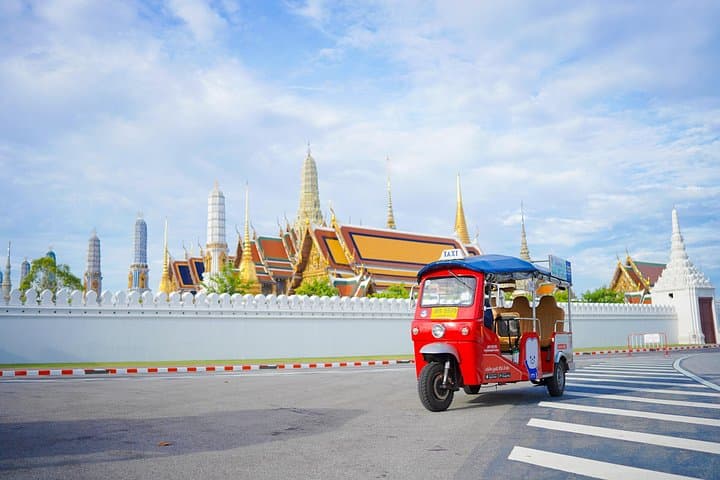
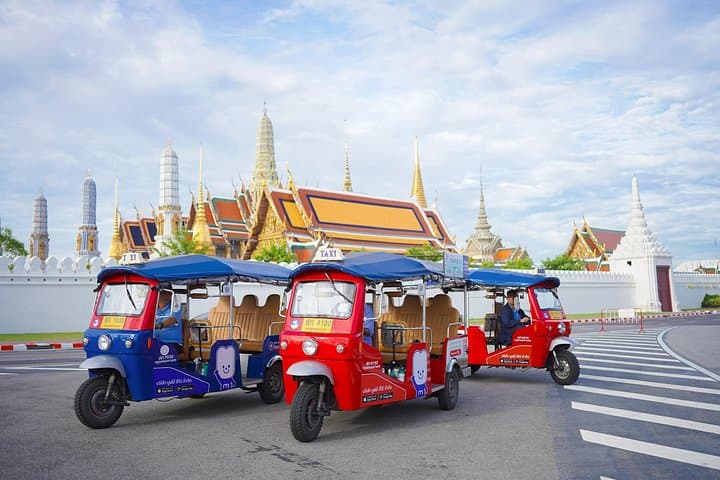
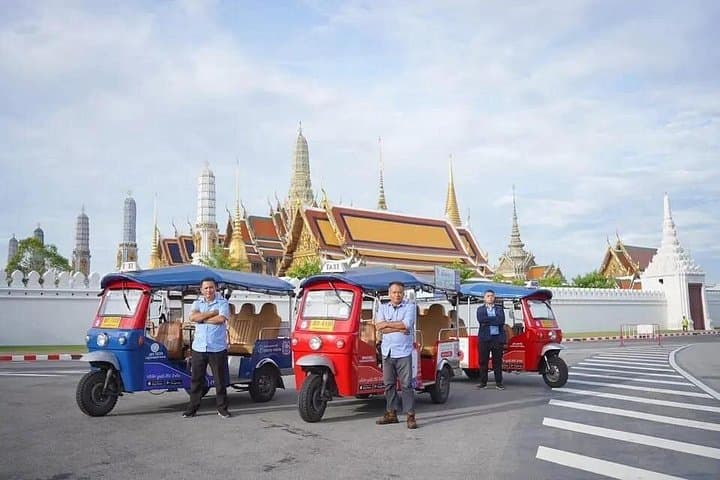
Explore Bangkok’s old town in a compact, eco-friendly electric tuk-tuk. This four-hour pass lets up to six riders hop from colonial streets to Chinatown alleys with flexible stops for photos and street food.
Explore Bangkok’s old town in a compact, eco-friendly electric tuk-tuk. This four-hour pass lets up to six riders hop from colonial streets to Chinatown alleys with flexible stops for photos and street food.
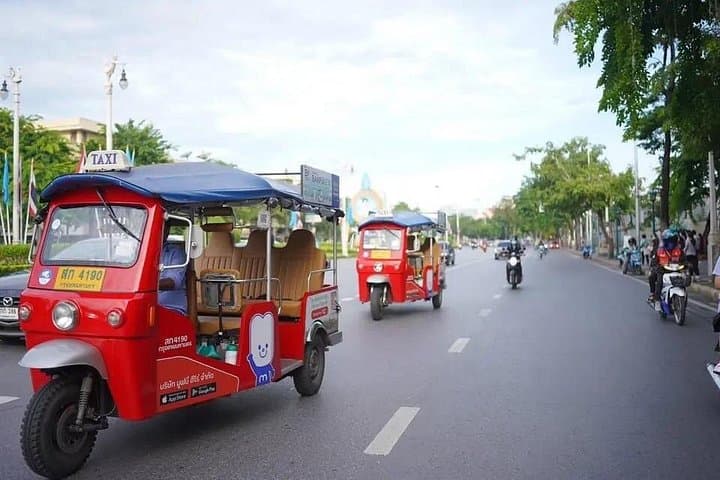
The tuk-tuk hums to life outside a low-rise hotel on a humid Bangkok morning, the city already moving in fits and starts. In an electric three-wheeler you slip through narrow streets where the air holds frying oil, jasmine, and exhaust; the driver negotiates lanes that dare you to keep up. Over four hours this short circuit threads Rattanakosin’s colonial facades, Chinatown alleys, and pockets of Sino-Portuguese detail — a compact window into Bangkok’s layered urban fabric.
Verified experiences and guided adventures in the surrounding area.
Operated by TAGTHAi · Bangkok, Bangkok
The tuk-tuk hums to life outside a low-rise hotel on a humid Bangkok morning, the city already moving in fits and starts. In an electric three-wheeler you slip through narrow streets where the air holds frying oil, jasmine, and exhaust; the driver negotiates lanes that dare you to keep up. Over four hours this short circuit threads Rattanakosin’s colonial facades, Chinatown alleys, and pockets of Sino-Portuguese detail — a compact window into Bangkok’s layered urban fabric.
Rattanakosin rose to prominence after 1782 when the Chakri dynasty moved the capital to the east bank of the Chao Phraya River. The area’s geology is simple — flat alluvial clay and reclaimed riverfront — which is why streets fan from the river and markets cluster where trade once docked. Culture here is pragmatic and tactile: herbal shops, dessert stalls, and temples that have been community anchors for generations.
Expect frequent stops for photos, quick walks down alleyways, and sampling street food where flavors are direct and immediate. The electric tuk-tuk minimizes noise and emissions compared with traditional engines, making short urban hops friendlier to the city.
Practical guidance: book at least 24 hours ahead and confirm hotel pickup. One pass covers one tuk-tuk (up to six passengers) — all riders must board together. Wear closed shoes for brief walks, bring a refillable water bottle and sunscreen, and keep small bills for snacks and tips. Traffic can slow schedules; allow extra time if you have onward plans after the ride.
easy.
4 hours.
Suitable for all fitness levels; requires short, flat walking segments between stops.
One pass covers a single tuk-tuk and allows up to six passengers to ride together; all passengers must board at the same time.
Yes—after booking you’ll receive a voucher code and should download the supplier’s app or have the digital ticket ready to show at pickup.
Hotel pickup and drop-off within the Bangkok area are included—confirm your pickup location when you reserve.
This is a self-directed pass without a dedicated guide; you can choose where to pause within the standard route but confirm any special stops in advance through the app.
Rattanakosin became Bangkok’s administrative core after 1782; Chinese merchant communities shaped what is now Yaowarat (Chinatown), creating the dense trade streets you’ll visit.
Electric tuk-tuks reduce local emissions on short urban circuits; support small vendors by bringing reusable water bottles and avoiding single-use plastics.
TAGTHAi operates guided outdoor trips and adventures with an emphasis on safety, stewardship, and memorable experiences.
The tuk-tuk hums to life outside a low-rise hotel on a humid Bangkok morning, the city already moving in fits and starts. In an electric three-wheeler you slip through narrow streets where the air holds frying oil, jasmine, and exhaust; the driver negotiates lanes that dare you to keep up. Over four hours this short circuit threads Rattanakosin’s colonial facades, Chinatown alleys, and pockets of Sino-Portuguese detail — a compact window into Bangkok’s layered urban fabric.
The tuk-tuk hums to life outside a low-rise hotel on a humid Bangkok morning, the city already moving in fits and starts. In an electric three-wheeler you slip through narrow streets where the air holds frying oil, jasmine, and exhaust; the driver negotiates lanes that dare you to keep up. Over four hours this short circuit threads Rattanakosin’s colonial facades, Chinatown alleys, and pockets of Sino-Portuguese detail — a compact window into Bangkok’s layered urban fabric.
Rattanakosin rose to prominence after 1782 when the Chakri dynasty moved the capital to the east bank of the Chao Phraya River. The area’s geology is simple — flat alluvial clay and reclaimed riverfront — which is why streets fan from the river and markets cluster where trade once docked. Culture here is pragmatic and tactile: herbal shops, dessert stalls, and temples that have been community anchors for generations.
Expect frequent stops for photos, quick walks down alleyways, and sampling street food where flavors are direct and immediate. The electric tuk-tuk minimizes noise and emissions compared with traditional engines, making short urban hops friendlier to the city.
Practical guidance: book at least 24 hours ahead and confirm hotel pickup. One pass covers one tuk-tuk (up to six passengers) — all riders must board together. Wear closed shoes for brief walks, bring a refillable water bottle and sunscreen, and keep small bills for snacks and tips. Traffic can slow schedules; allow extra time if you have onward plans after the ride.