THE ADVENTURE COLLECTIVE® · Independent discovery and booking for outdoor travel

Learn to read animal tracks and spot winter wildlife on this guided two‑hour walk in Banff National Park. Ice cleats and local insight make it an easy, informative introduction to Rocky Mountain winter ecology.
Learn to read animal tracks and spot winter wildlife on this guided two‑hour walk in Banff National Park. Ice cleats and local insight make it an easy, informative introduction to Rocky Mountain winter ecology.
Snow compresses underfoot and the pines breathe cold air as your guide points out a staggered line of tracks stretching across a white slope.
Verified experiences and guided adventures in the surrounding area.
Operated by Banff & Canmore Tours · Banff, Alberta
Snow compresses underfoot and the pines breathe cold air as your guide points out a staggered line of tracks stretching across a white slope.
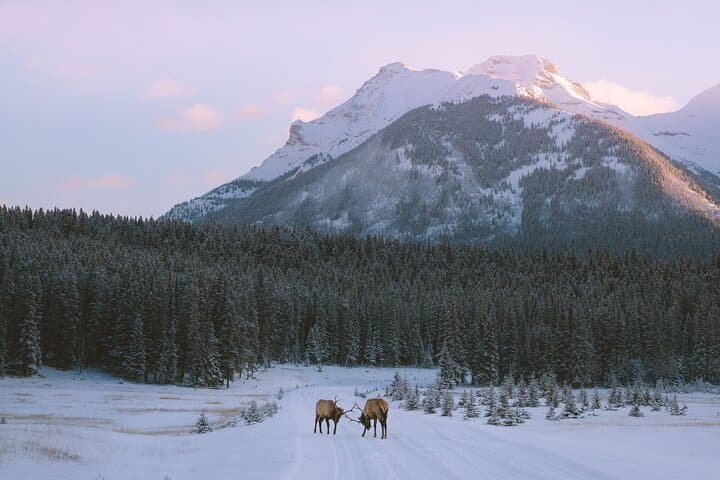
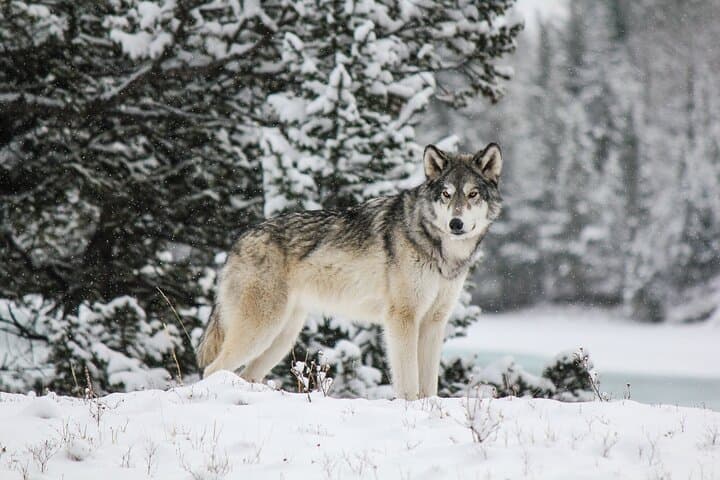
This two‑hour winter walk around Banff moves through glacially carved valleys and stands of Engelmann spruce where the scars of the Rockies’ limestone and shale are visible in exposed outcrops. Guides introduce the basics of winter ecology: how snowshoe hare fur changes color, where elk bed down to conserve heat, and how coyotes route through windblown gullies. The area sits within Banff National Park, Canada’s first national park (est. 1885), and the landscape carries layers of Indigenous history from the Îyârhe Nakoda and Ktunaxa peoples who have long read this terrain.
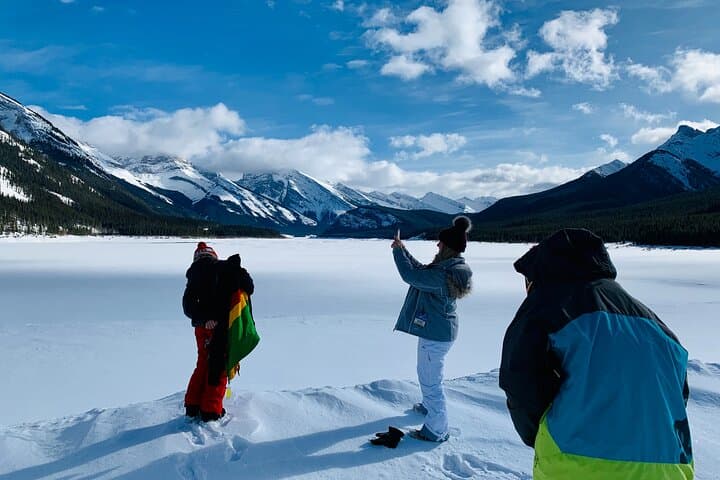
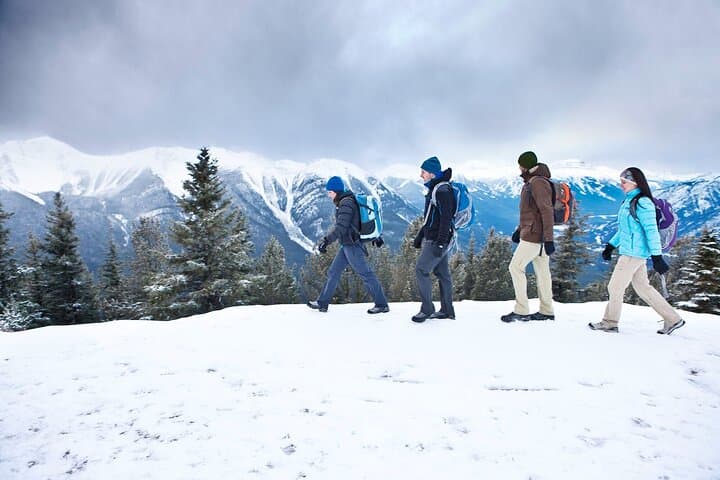
Expect compacted snow, occasional icy patches, and gentle elevation changes—this is an accessible walk rather than a summit push. Your guide provides ice cleats when needed and will show how to read spoor, scat, and bedding sites; cameras are useful but patience beats speed for wildlife encounters.
Practical notes: dress in insulated, moisture‑wicking layers and waterproof boots; bring a small daypack with water and snacks. Tours run midmorning to early afternoon for best light and warmer conditions; early starts increase the chance of seeing fresh tracks. Leave no trace—stick to designated trails to minimize winter disturbance to wildlife and fragile plant communities.
The walk is ideal for families and first‑time winter hikers who want an introduction to cold‑season natural history without technical gear.
easy.
2–2.5 hours.
Suitable for general fitness—able to walk 2–4 km on snow with short breaks
Yes—this tour is family‑friendly, but children should be able to walk for up to two hours and be dressed for winter conditions.
Guides supply ice cleats when trail conditions require them, though bringing a personal properly sized pair is recommended for comfort.
Most walks operate on trails within a short drive of Banff townsite—expect minimal transit before starting the guided section.
The tour is rated easy but not suitable for serious spinal or cardiovascular conditions; notify the operator in advance about mobility limitations.
Banff National Park, established in 1885, is Canada’s oldest national park and sits on lands traditionally used and stewarded by local Indigenous nations.
Winter is a sensitive time for wildlife—staying on trails, minimizing group size, and following guide instructions help reduce disturbance and protect fragile plant life.
Banff & Canmore Tours operates guided outdoor trips and adventures with an emphasis on safety, stewardship, and memorable experiences.
Snow compresses underfoot and the pines breathe cold air as your guide points out a staggered line of tracks stretching across a white slope.
Snow compresses underfoot and the pines breathe cold air as your guide points out a staggered line of tracks stretching across a white slope.
This two‑hour winter walk around Banff moves through glacially carved valleys and stands of Engelmann spruce where the scars of the Rockies’ limestone and shale are visible in exposed outcrops. Guides introduce the basics of winter ecology: how snowshoe hare fur changes color, where elk bed down to conserve heat, and how coyotes route through windblown gullies. The area sits within Banff National Park, Canada’s first national park (est. 1885), and the landscape carries layers of Indigenous history from the Îyârhe Nakoda and Ktunaxa peoples who have long read this terrain.
Expect compacted snow, occasional icy patches, and gentle elevation changes—this is an accessible walk rather than a summit push. Your guide provides ice cleats when needed and will show how to read spoor, scat, and bedding sites; cameras are useful but patience beats speed for wildlife encounters.
Practical notes: dress in insulated, moisture‑wicking layers and waterproof boots; bring a small daypack with water and snacks. Tours run midmorning to early afternoon for best light and warmer conditions; early starts increase the chance of seeing fresh tracks. Leave no trace—stick to designated trails to minimize winter disturbance to wildlife and fragile plant communities.
The walk is ideal for families and first‑time winter hikers who want an introduction to cold‑season natural history without technical gear.