THE ADVENTURE COLLECTIVE® · Independent discovery and booking for outdoor travel

Skip the parking drama and let a direct shuttle deliver you to Moraine Lake’s rockpile and Lake Louise’s shoreline—two iconic alpine views in one efficient morning trip. Perfect for travelers short on time who want guaranteed access and practical local knowledge.
Skip the parking drama and let a direct shuttle deliver you to Moraine Lake’s rockpile and Lake Louise’s shoreline—two iconic alpine views in one efficient morning trip. Perfect for travelers short on time who want guaranteed access and practical local knowledge.
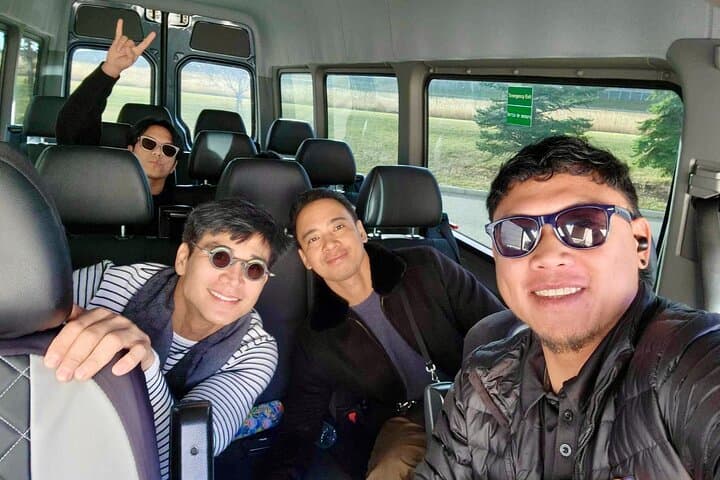
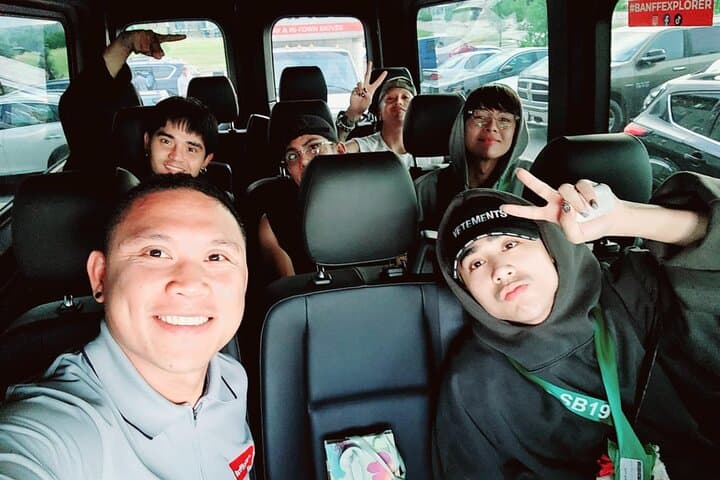
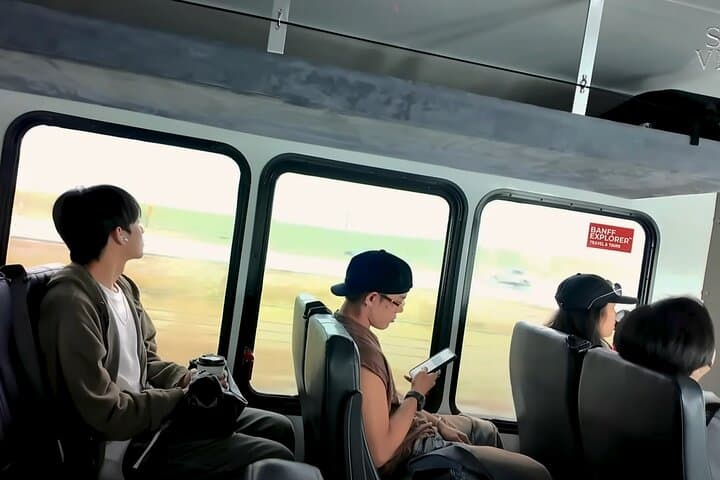
You step onto the bus in Banff before dawn and the Rockies have already started their day—pale light spilling over serrated peaks, the highway flattening into a ribbon of maple-scented air. The shuttle pulls away from the Mount Royal Hotel lot and, in little more than an hour, the crowd thins and the mountains claim you: Moraine Lake’s turquoise bowl appears like a held breath between ten peaks.
Verified experiences and guided adventures in the surrounding area.
Operated by 1A Scenic Route Tour by Banff Explorer · Banff, Alberta
You step onto the bus in Banff before dawn and the Rockies have already started their day—pale light spilling over serrated peaks, the highway flattening into a ribbon of maple-scented air. The shuttle pulls away from the Mount Royal Hotel lot and, in little more than an hour, the crowd thins and the mountains claim you: Moraine Lake’s turquoise bowl appears like a held breath between ten peaks.
The trip is an efficient love letter to two of Canada’s most photographed lakes. Moraine Lake sits in the Valley of the Ten Peaks, carved by glaciers and fed by rock flour—fine silt that scatters light and makes water glow an impossible blue. Nearby Lake Louise, with its stately chateau and sweeping shoreline, carries a different history: from its original Indigenous significance to its renaming after Princess Louise in the late 19th century and later development as a premier mountain resort.
Geology and people converge here. The jagged summits are limestone and shale, uplifted and polished by ice; the trails thread through subalpine forest where larches turn gold in autumn and marmots argue over rock piles. The land sits on the traditional territory of the Stoney Nakoda and other Indigenous peoples—feel the depth of human history in the place names and the land-management practices that shaped this park.
Practically speaking, this 5½-hour shuttle removes the single biggest barrier: parking. Moraine Lake Road has strict limits and closes seasonally; private vehicles are often turned away. The shuttle guarantees access, drops you at the Rockpile viewpoint for that canonical skyline, then carries you to Lake Louise for shoreline time, canoe rentals from private operators, or a short hike to the Big Beehive or the Lakeshore Trail.
Plan to move at a relaxed pace—90 minutes at each lake is enough to walk the shore, take photos, or enjoy a short out-and-back. Dress in layers: mornings are chilly, midday can warm quickly, and summer storms arrive with little notice. Pack water, bug spray, and a small daypack; leave food wrappers behind. Wildlife is part of the experience but keep your distance—black and grizzly bears are present and feeding them is illegal and dangerous.
Best times are early summer for the full glacial color, shoulder seasons for thinner crowds. If you want the reflective, postcard shot at Moraine, aim for the first light and let the shuttle handle logistics. This tour is for travelers who value views over driving headaches: a short, guaranteed window into two of the Canadian Rockies’ most impressive scenes, with room for history, geology and a solid pair of hiking shoes.
easy.
5–6 hours.
Suitable for most fitness levels; mostly short shoreline walks and easy viewpoints—no strenuous hiking required unless you choose a longer trail.
The tour provides transportation only—if you’re driving to Banff you’ll need valid park entry; the shuttle operator will advise if your booking covers any park access fees.
This shuttle guarantees an access spot when the road is open; Moraine Lake Road is seasonally closed typically until late spring due to snow.
Yes—infants can sit on laps and strollers are allowable, but steep sections like the Moraine Rockpile have uneven steps that require folding strollers if you want to go up.
Basic restrooms are available at Lake Louise and at the Moraine Lake parking area when open; bring hand sanitizer for convenience.
Canoe rentals are available at Lake Louise from private operators—plan your time accordingly as rentals have their own queues and fees.
The shuttle and some lakeshore areas are wheelchair accessible, but rocky viewpoints like Moraine’s Rockpile are not suitable for wheelchairs.
Lake Louise and Moraine Lake were shaped by Pleistocene glaciers; the area later became part of Canada’s first national park and developed as a mountain tourism hub in the late 19th and early 20th centuries.
High visitation strains fragile alpine ecosystems—stick to designated paths, pack out all waste, and follow Parks Canada guidelines to protect water quality and wildlife habitats.
1A Scenic Route Tour by Banff Explorer operates guided outdoor trips and adventures with an emphasis on safety, stewardship, and memorable experiences.

You step onto the bus in Banff before dawn and the Rockies have already started their day—pale light spilling over serrated peaks, the highway flattening into a ribbon of maple-scented air. The shuttle pulls away from the Mount Royal Hotel lot and, in little more than an hour, the crowd thins and the mountains claim you: Moraine Lake’s turquoise bowl appears like a held breath between ten peaks.
You step onto the bus in Banff before dawn and the Rockies have already started their day—pale light spilling over serrated peaks, the highway flattening into a ribbon of maple-scented air. The shuttle pulls away from the Mount Royal Hotel lot and, in little more than an hour, the crowd thins and the mountains claim you: Moraine Lake’s turquoise bowl appears like a held breath between ten peaks.
The trip is an efficient love letter to two of Canada’s most photographed lakes. Moraine Lake sits in the Valley of the Ten Peaks, carved by glaciers and fed by rock flour—fine silt that scatters light and makes water glow an impossible blue. Nearby Lake Louise, with its stately chateau and sweeping shoreline, carries a different history: from its original Indigenous significance to its renaming after Princess Louise in the late 19th century and later development as a premier mountain resort.
Geology and people converge here. The jagged summits are limestone and shale, uplifted and polished by ice; the trails thread through subalpine forest where larches turn gold in autumn and marmots argue over rock piles. The land sits on the traditional territory of the Stoney Nakoda and other Indigenous peoples—feel the depth of human history in the place names and the land-management practices that shaped this park.
Practically speaking, this 5½-hour shuttle removes the single biggest barrier: parking. Moraine Lake Road has strict limits and closes seasonally; private vehicles are often turned away. The shuttle guarantees access, drops you at the Rockpile viewpoint for that canonical skyline, then carries you to Lake Louise for shoreline time, canoe rentals from private operators, or a short hike to the Big Beehive or the Lakeshore Trail.
Plan to move at a relaxed pace—90 minutes at each lake is enough to walk the shore, take photos, or enjoy a short out-and-back. Dress in layers: mornings are chilly, midday can warm quickly, and summer storms arrive with little notice. Pack water, bug spray, and a small daypack; leave food wrappers behind. Wildlife is part of the experience but keep your distance—black and grizzly bears are present and feeding them is illegal and dangerous.
Best times are early summer for the full glacial color, shoulder seasons for thinner crowds. If you want the reflective, postcard shot at Moraine, aim for the first light and let the shuttle handle logistics. This tour is for travelers who value views over driving headaches: a short, guaranteed window into two of the Canadian Rockies’ most impressive scenes, with room for history, geology and a solid pair of hiking shoes.