THE ADVENTURE COLLECTIVE® · Independent discovery and booking for outdoor travel

Spend a long day moving through the Canadian Rockies: walk the catwalks of Johnston Canyon, paddle Lake Louise, and climb the Rockpile at Moraine Lake for postcard panoramas. This guided loop blends geology, local history and straightforward logistics to get you to the best views without the guesswork.
Spend a long day moving through the Canadian Rockies: walk the catwalks of Johnston Canyon, paddle Lake Louise, and climb the Rockpile at Moraine Lake for postcard panoramas. This guided loop blends geology, local history and straightforward logistics to get you to the best views without the guesswork.
The bus eases out of Banff town as pines and peaks close in, and within an hour the soundtrack changes from highway hum to the clipped clatter of crampons and camera shutters. On this full-day loop through the heart of Banff National Park, hikers thread a canyon carved by millennia, paddlers skim a glacial-green lake framed by stepped granite, and every stop feels like a staged postcard—except the smells are real: wet stone, fresh spruce and the iron edge of cold mountain air.
Verified experiences and guided adventures in the surrounding area.
Operated by Banff Day Trips · Banff, Alberta
The bus eases out of Banff town as pines and peaks close in, and within an hour the soundtrack changes from highway hum to the clipped clatter of crampons and camera shutters. On this full-day loop through the heart of Banff National Park, hikers thread a canyon carved by millennia, paddlers skim a glacial-green lake framed by stepped granite, and every stop feels like a staged postcard—except the smells are real: wet stone, fresh spruce and the iron edge of cold mountain air.
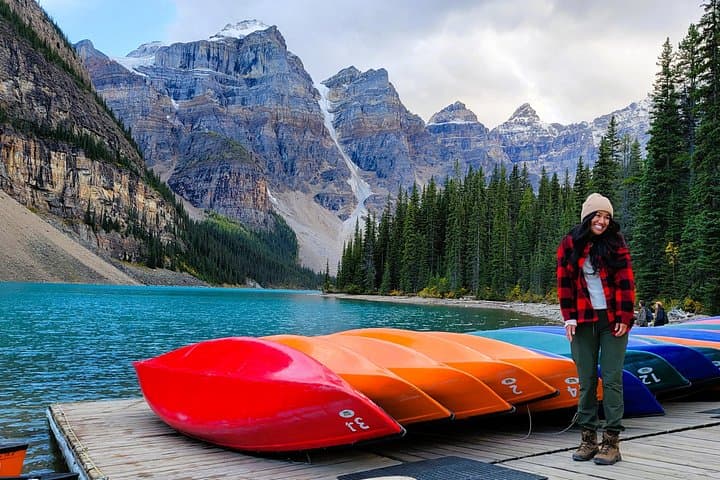
Johnston Canyon is first; its narrow catwalks cling to limestone, carrying you past cataracts that seem to dare the canyon walls to hold them back. Geologically, the gorge is a chapter of the Rockies’ slow-motion upheaval—limestone, shale and old riverbeds folded into jagged ridgelines that glint with quartz. At Lake Louise and Moraine Lake the story shifts: glaciers ground basins into bowls, then left sediment that gives the water that saturated turquoise.
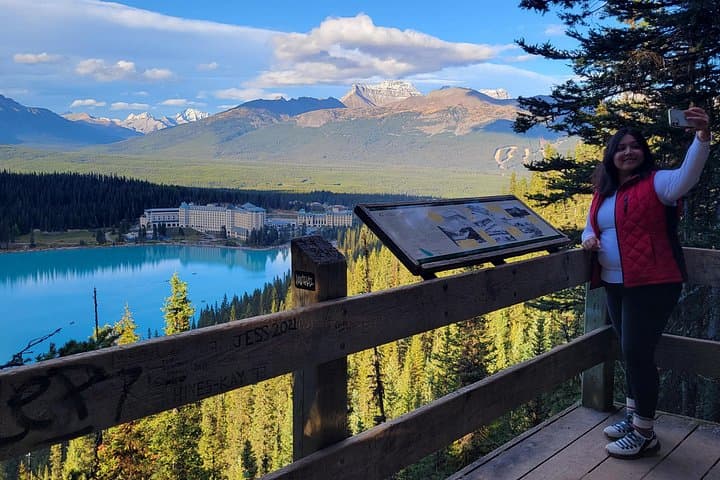
The places on this route are stitched into Banff’s human story too. Indigenous peoples traveled these valleys for generations before Banff became Canada’s first national park in 1885; later, the coming of the railway and mountain tourism shaped the towns and trails you walk today. Guides on the tour thread those histories into easy conversation, pointing out the Valley of the Ten Peaks and Surprise Corner while sharing local lore and practical tips.
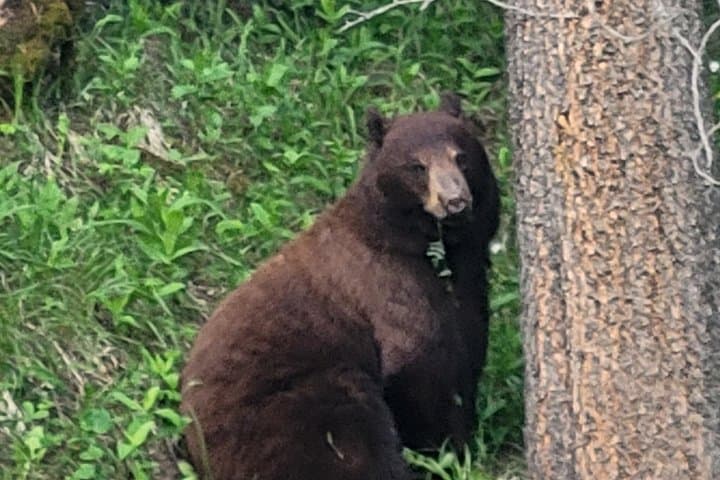
Practical notes aren’t an interruption here; they’re part of the rhythm. The day runs long—expect 10–13 hours on the road—with two short hikes (Johnston Canyon lower falls and the Rockpile at Moraine) and time to rent a canoe at Lake Louise if you choose. Terrain is a mix of paved boardwalks, well-trodden trail and flat lakeshore; elevation gain is modest but you’ll be on your feet most of the day. Wildlife sightings—elk on meadow edges, bighorn on cliff bands, and the occasional black bear—are common; your guide manages distance and etiquette.
For photographers this trip is generous: sunrise and late afternoon angles make mirror reflections and serrated ridgelines sing, while midday is fine for waterfall long-exposures. Bring layered clothing, waterproof shoes and a daypack with water and snacks. Moraine Lake and Lake Louise have seasonal access limits—expect shuttle or timed-entry changes in shoulder seasons.
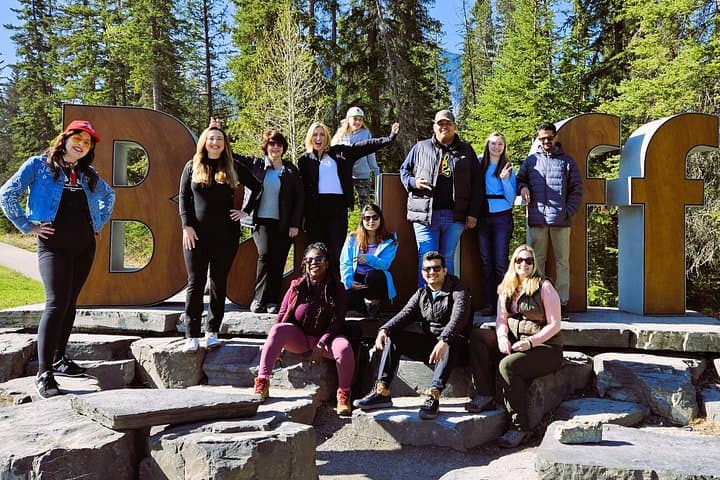
This is a social, accessible mountain day that balances show-stopping viewpoints with local context and practical logistics—perfect for travelers who want more than a photo op: they want a clear route through Banff’s landscape, history and living wilderness.
moderate.
10–13 hours.
Suitable for travelers in regular walking condition; able to stand and hike on uneven boardwalks for short stretches.
Yes—Banff Park Day Passes and Moraine Lake entrance fees are included in the tour price.
Canoe time at Lake Louise is offered as part of the experience but may require an additional fee; confirm with the operator when booking.
Expect a 10–13 hour day; meeting details are provided at booking—look for the Banff Day Trips vehicle with the bear logo at designated pickup points.
Infants and small children can be accommodated and some sections are stroller-accessible, but expect stairs and uneven sections at viewpoints.
Common sightings include elk, bighorn sheep and occasional bears; maintain distance, never feed wildlife and follow your guide’s instructions—bear spray is recommended.
Full refunds are available if you cancel at least 24 hours before departure; tours may also cancel for severe weather.
Banff National Park, established in 1885, is Canada’s first national park; the railway and early tourism shaped much of the park’s infrastructure and trails.
Access at Lake Louise and Moraine Lake is managed seasonally to reduce crowds and protect fragile shorelines—follow signage, stay on trails and pack out all waste.
Banff Day Trips operates guided outdoor trips and adventures with an emphasis on safety, stewardship, and memorable experiences.
The bus eases out of Banff town as pines and peaks close in, and within an hour the soundtrack changes from highway hum to the clipped clatter of crampons and camera shutters. On this full-day loop through the heart of Banff National Park, hikers thread a canyon carved by millennia, paddlers skim a glacial-green lake framed by stepped granite, and every stop feels like a staged postcard—except the smells are real: wet stone, fresh spruce and the iron edge of cold mountain air.
The bus eases out of Banff town as pines and peaks close in, and within an hour the soundtrack changes from highway hum to the clipped clatter of crampons and camera shutters. On this full-day loop through the heart of Banff National Park, hikers thread a canyon carved by millennia, paddlers skim a glacial-green lake framed by stepped granite, and every stop feels like a staged postcard—except the smells are real: wet stone, fresh spruce and the iron edge of cold mountain air.
Johnston Canyon is first; its narrow catwalks cling to limestone, carrying you past cataracts that seem to dare the canyon walls to hold them back. Geologically, the gorge is a chapter of the Rockies’ slow-motion upheaval—limestone, shale and old riverbeds folded into jagged ridgelines that glint with quartz. At Lake Louise and Moraine Lake the story shifts: glaciers ground basins into bowls, then left sediment that gives the water that saturated turquoise.
The places on this route are stitched into Banff’s human story too. Indigenous peoples traveled these valleys for generations before Banff became Canada’s first national park in 1885; later, the coming of the railway and mountain tourism shaped the towns and trails you walk today. Guides on the tour thread those histories into easy conversation, pointing out the Valley of the Ten Peaks and Surprise Corner while sharing local lore and practical tips.
Practical notes aren’t an interruption here; they’re part of the rhythm. The day runs long—expect 10–13 hours on the road—with two short hikes (Johnston Canyon lower falls and the Rockpile at Moraine) and time to rent a canoe at Lake Louise if you choose. Terrain is a mix of paved boardwalks, well-trodden trail and flat lakeshore; elevation gain is modest but you’ll be on your feet most of the day. Wildlife sightings—elk on meadow edges, bighorn on cliff bands, and the occasional black bear—are common; your guide manages distance and etiquette.
For photographers this trip is generous: sunrise and late afternoon angles make mirror reflections and serrated ridgelines sing, while midday is fine for waterfall long-exposures. Bring layered clothing, waterproof shoes and a daypack with water and snacks. Moraine Lake and Lake Louise have seasonal access limits—expect shuttle or timed-entry changes in shoulder seasons.
This is a social, accessible mountain day that balances show-stopping viewpoints with local context and practical logistics—perfect for travelers who want more than a photo op: they want a clear route through Banff’s landscape, history and living wilderness.