THE ADVENTURE COLLECTIVE® · Independent discovery and booking for outdoor travel

A full-day scenic tour delivering the classic highlights of Banff National Park: Lake Louise, Moraine Lake (seasonal), Emerald Lake, Natural Bridge, Peyto and Bow Lakes. Expect short walks, dramatic viewpoints, and glacier-fed color without the need for overnight trekking.
A full-day scenic tour delivering the classic highlights of Banff National Park: Lake Louise, Moraine Lake (seasonal), Emerald Lake, Natural Bridge, Peyto and Bow Lakes. Expect short walks, dramatic viewpoints, and glacier-fed color without the need for overnight trekking.
You step from the coach into a cool, alpine hush — water so clear it seems to hold the sky. The day moves in measured chapters: Lake Louise’s turquoise edge, the short scramble up Moraine Lake’s Rockpile for a jaw-drop panorama, the glassy green of Emerald Lake, and the wind-carved curve of Natural Bridge on the Kicking Horse River.
Verified experiences and guided adventures in the surrounding area.
Operated by Banff ToDo · Lake Louise, Alberta
You step from the coach into a cool, alpine hush — water so clear it seems to hold the sky. The day moves in measured chapters: Lake Louise’s turquoise edge, the short scramble up Moraine Lake’s Rockpile for a jaw-drop panorama, the glassy green of Emerald Lake, and the wind-carved curve of Natural Bridge on the Kicking Horse River.
This route traces Ice Age work and human history. Glaciers carved the hollows that now cradle these lakes; the area sits on sedimentary limestone uplifted by tectonic pressure during the Laramide orogeny. The Banff region became Canada’s first national park in 1885, and local Stoney Nakoda and other Indigenous peoples have long ties to these valleys.
Expect compact, accessible walks rather than long wilderness treks: lakeshore strolls of 1–4 km, short viewpoints with brief elevation gains, and boardwalks at Peyto and Bow Summit. Moraine Lake’s Rockpile requires a steeper, short climb (dozens of stone steps) for the classic view. In winter the tour adapts — Marble Canyon replaces Moraine when the road is closed.
Practical essentials: dress in layers, carry a refillable water bottle, and leave time for photo stops — parking and crowds can dictate your window at popular viewpoints. Respect wildlife by keeping distance and securing food. Bring a compact rain shell and traction if visiting early or late season. The day delivers broad mountain scenery with minimal hiking strain — ideal for photographers and first-time Rockies visitors who want dramatic landscapes without an alpine overnight.
easy.
8–11 hours.
Suitable for most fitness levels; requires short walks of up to 4 km and brief climbs/steps for viewpoints.
Yes — visiting Banff National Park requires a valid Parks Canada pass; some tour operators include it, but check with your booking to confirm.
No — the Moraine Lake road is typically open from early June to mid-October; Marble Canyon is the winter alternative on this tour.
Expect short, mostly easy walks of 1–4 km at each stop with occasional stone steps or short climbs to viewpoints.
Restrooms and seasonal cafés exist at major sites like Lake Louise; carry snacks if visiting early or late in the day when services may be limited.
Banff National Park was established in 1885 as Canada’s first national park; Indigenous peoples including the Stoney Nakoda have inhabited and traveled these valleys for generations.
Parks Canada manages the area with regulations to minimize human impact — follow Leave No Trace principles, keep food secure, and observe wildlife from a safe distance.
Banff ToDo operates guided outdoor trips and adventures with an emphasis on safety, stewardship, and memorable experiences.
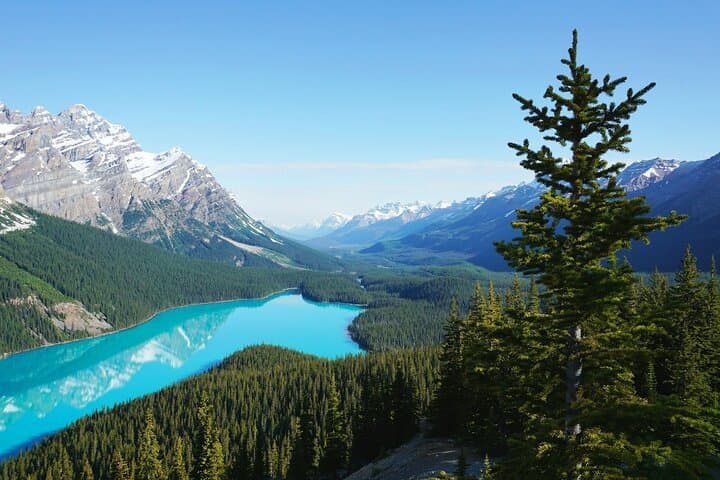
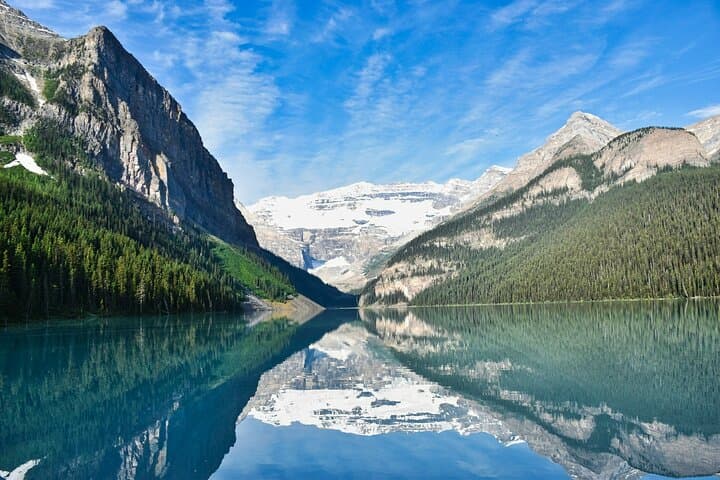
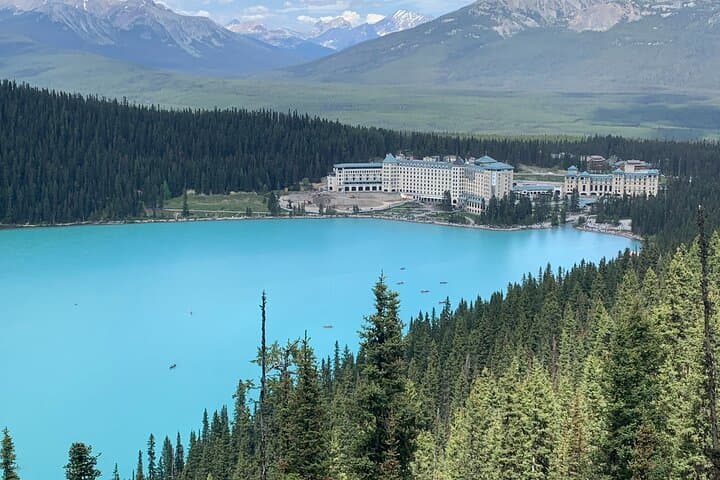
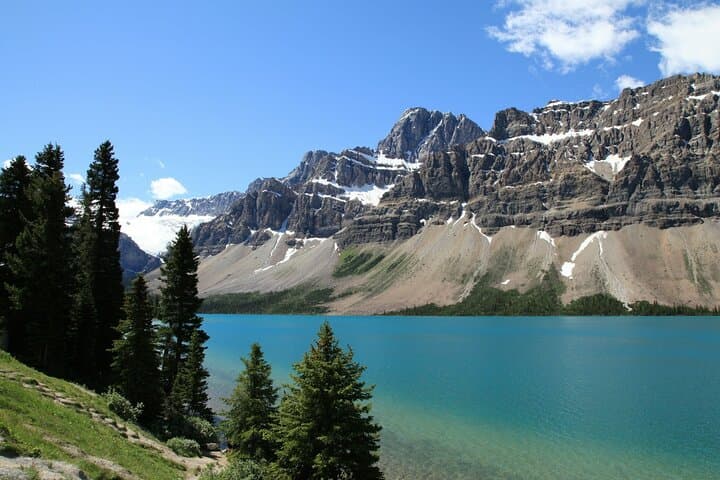
You step from the coach into a cool, alpine hush — water so clear it seems to hold the sky. The day moves in measured chapters: Lake Louise’s turquoise edge, the short scramble up Moraine Lake’s Rockpile for a jaw-drop panorama, the glassy green of Emerald Lake, and the wind-carved curve of Natural Bridge on the Kicking Horse River.
You step from the coach into a cool, alpine hush — water so clear it seems to hold the sky. The day moves in measured chapters: Lake Louise’s turquoise edge, the short scramble up Moraine Lake’s Rockpile for a jaw-drop panorama, the glassy green of Emerald Lake, and the wind-carved curve of Natural Bridge on the Kicking Horse River.
This route traces Ice Age work and human history. Glaciers carved the hollows that now cradle these lakes; the area sits on sedimentary limestone uplifted by tectonic pressure during the Laramide orogeny. The Banff region became Canada’s first national park in 1885, and local Stoney Nakoda and other Indigenous peoples have long ties to these valleys.
Expect compact, accessible walks rather than long wilderness treks: lakeshore strolls of 1–4 km, short viewpoints with brief elevation gains, and boardwalks at Peyto and Bow Summit. Moraine Lake’s Rockpile requires a steeper, short climb (dozens of stone steps) for the classic view. In winter the tour adapts — Marble Canyon replaces Moraine when the road is closed.
Practical essentials: dress in layers, carry a refillable water bottle, and leave time for photo stops — parking and crowds can dictate your window at popular viewpoints. Respect wildlife by keeping distance and securing food. Bring a compact rain shell and traction if visiting early or late season. The day delivers broad mountain scenery with minimal hiking strain — ideal for photographers and first-time Rockies visitors who want dramatic landscapes without an alpine overnight.