THE ADVENTURE COLLECTIVE® · Independent discovery and booking for outdoor travel

Drive Banff’s quieter backroads with a local guide, visiting Mount Norquay, Lake Minnewanka, Two Jack and Bow Falls while watching for elk, bears and bighorn sheep. This small-group, three-hour outing mixes geology, local history and high-probability wildlife viewing with short viewpoint walks.
Drive Banff’s quieter backroads with a local guide, visiting Mount Norquay, Lake Minnewanka, Two Jack and Bow Falls while watching for elk, bears and bighorn sheep. This small-group, three-hour outing mixes geology, local history and high-probability wildlife viewing with short viewpoint walks.
A late-afternoon sky presses warm light across the Bow Valley as the van eases away from Banff Train Station. Pines murmur; the highway becomes a backroad and the landscape opens — glaciers hunkered in the high bowls, ridgelines cutting a clean edge against the sky, and lakes so blue they look like a held breath. Guides scan the road edges and tree line: a flash of antler, a black back disappearing into willows, the slow confidence of bighorn sheep on a cliff.
Verified experiences and guided adventures in the surrounding area.
Operated by Radventures · Banff, Alberta
A late-afternoon sky presses warm light across the Bow Valley as the van eases away from Banff Train Station. Pines murmur; the highway becomes a backroad and the landscape opens — glaciers hunkered in the high bowls, ridgelines cutting a clean edge against the sky, and lakes so blue they look like a held breath. Guides scan the road edges and tree line: a flash of antler, a black back disappearing into willows, the slow confidence of bighorn sheep on a cliff.
This small-group tour threads local history and geology into each stop. Banff National Park, Canada’s first national park (established 1885), grew from railway discovery and a hot-spring fascination; the mountains here are sculpted from ancient sedimentary layers uplifted by tectonic forces and chiselled by alpine glaciation. Indigenous histories — especially of the Stoney Nakoda — and early European exploration are woven into place names and local stories shared by knowledgeable guides.
Expect paced drives, short viewpoint walks, and vantage stops at Mount Norquay, Two Jack Lake, Lake Minnewanka, the Hoodoos and Bow Falls. Wildlife is common: elk and black bear sightings are frequent in summer; bighorn and foxes show up year-round. Guides optimize timing to avoid big-bus crowds and to increase wildlife encounters.
Practical notes: dress in layers, bring a refillable water bottle, and wear sturdy footwear for short hikes of 10–30 minutes. Carry binoculars and a camera with a zoom lens; keep voices low at viewing stops. The tour is 3 hours, suitable for most fitness levels but not recommended for very young children under 5. Follow Parks Canada rules: keep distance from wildlife, do not feed animals, and heed guide instructions for safety.
easy.
3 hours.
Suitable for most fitness levels; participants should be able to board a van and manage short 10–30 minute walks on uneven surfaces.
Meet by the Canadian flag in front of the main Banff Train Station building; allow 5–10 minutes from the free all-day parking at the station’s northeast end.
Guides report wildlife sightings on most summer departures (high probability), but sightings cannot be guaranteed—animals move independently of tours.
The experience is family-friendly but the operator restricts children under 5 from joining; small groups and short walks suit older kids.
The operator may cancel for poor conditions; for a full refund cancel at least 24 hours in advance per their policy, and they’ll advise if the tour is altered due to weather.
Banff grew from 19th-century railway and hot-spring interest and sits on traditional Stoney Nakoda territory; Banff National Park was established in 1885 as Canada’s first national park.
Follow Parks Canada guidelines: keep a safe distance from animals, do not feed wildlife, pack out waste, and let guides coordinate stops to minimize disturbance.
Radventures operates guided outdoor trips and adventures with an emphasis on safety, stewardship, and memorable experiences.
A late-afternoon sky presses warm light across the Bow Valley as the van eases away from Banff Train Station. Pines murmur; the highway becomes a backroad and the landscape opens — glaciers hunkered in the high bowls, ridgelines cutting a clean edge against the sky, and lakes so blue they look like a held breath. Guides scan the road edges and tree line: a flash of antler, a black back disappearing into willows, the slow confidence of bighorn sheep on a cliff.
A late-afternoon sky presses warm light across the Bow Valley as the van eases away from Banff Train Station. Pines murmur; the highway becomes a backroad and the landscape opens — glaciers hunkered in the high bowls, ridgelines cutting a clean edge against the sky, and lakes so blue they look like a held breath. Guides scan the road edges and tree line: a flash of antler, a black back disappearing into willows, the slow confidence of bighorn sheep on a cliff.
This small-group tour threads local history and geology into each stop. Banff National Park, Canada’s first national park (established 1885), grew from railway discovery and a hot-spring fascination; the mountains here are sculpted from ancient sedimentary layers uplifted by tectonic forces and chiselled by alpine glaciation. Indigenous histories — especially of the Stoney Nakoda — and early European exploration are woven into place names and local stories shared by knowledgeable guides.
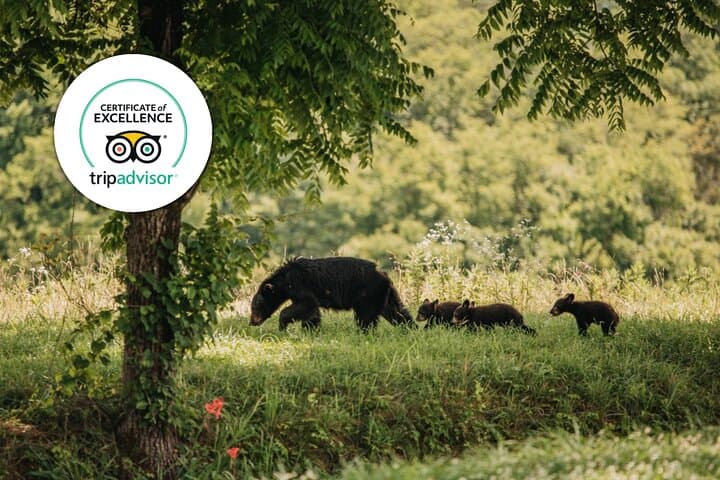
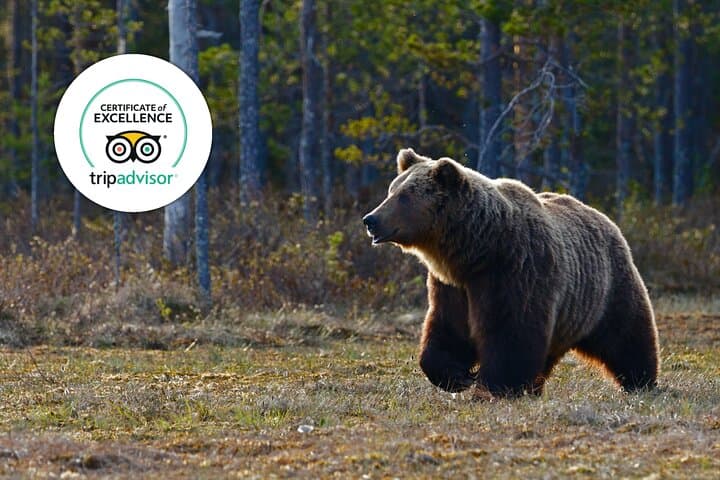
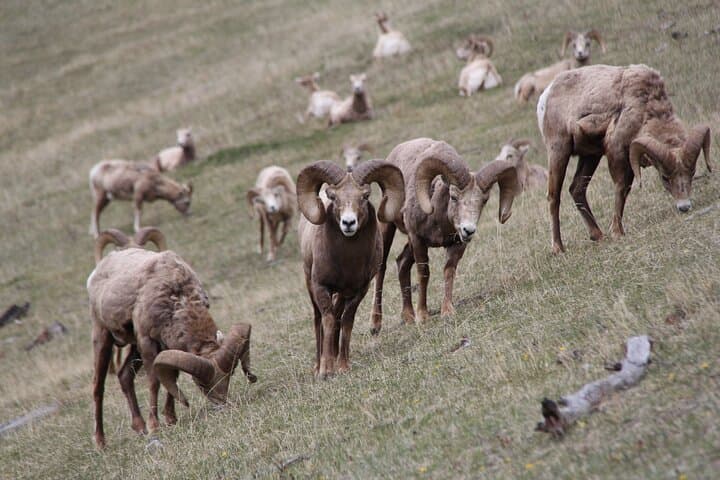
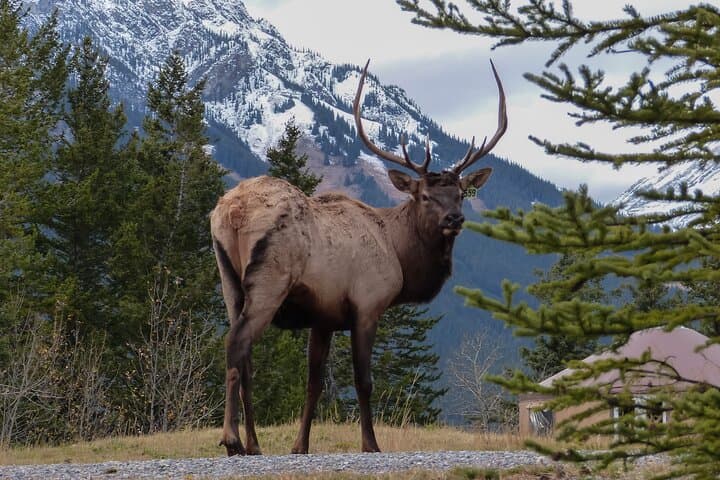
Expect paced drives, short viewpoint walks, and vantage stops at Mount Norquay, Two Jack Lake, Lake Minnewanka, the Hoodoos and Bow Falls. Wildlife is common: elk and black bear sightings are frequent in summer; bighorn and foxes show up year-round. Guides optimize timing to avoid big-bus crowds and to increase wildlife encounters.
Practical notes: dress in layers, bring a refillable water bottle, and wear sturdy footwear for short hikes of 10–30 minutes. Carry binoculars and a camera with a zoom lens; keep voices low at viewing stops. The tour is 3 hours, suitable for most fitness levels but not recommended for very young children under 5. Follow Parks Canada rules: keep distance from wildlife, do not feed animals, and heed guide instructions for safety.