THE ADVENTURE COLLECTIVE® · Independent discovery and booking for outdoor travel

See Lake Louise, Moraine Lake, Peyto Lake and Crowfoot Glacier in a single-day tour along the Icefields Parkway. Expect bold, glacier-fed colors, short viewpoint walks, and seasonal routing when roads or lakes are closed.
See Lake Louise, Moraine Lake, Peyto Lake and Crowfoot Glacier in a single-day tour along the Icefields Parkway. Expect bold, glacier-fed colors, short viewpoint walks, and seasonal routing when roads or lakes are closed.
You step off the coach into a cold, thin air and the lakes answer in color: Lake Louise’s emerald mirror, Peyto’s wolf-shaped turquoise, Bow Lake strewn with glittering ice, and Crowfoot Glacier crouching above the valley. The road hums behind you and the mountains press forward, daring you to look longer.
Verified experiences and guided adventures in the surrounding area.
Operated by Banff Journey · Lake Louise, Alberta
You step off the coach into a cold, thin air and the lakes answer in color: Lake Louise’s emerald mirror, Peyto’s wolf-shaped turquoise, Bow Lake strewn with glittering ice, and Crowfoot Glacier crouching above the valley. The road hums behind you and the mountains press forward, daring you to look longer.
These basins are the work of Pleistocene ice — glaciers carving cirques and leaving rock flour that gives the lakes their unreal hues. Banff National Park, Canada’s first national park (est. 1885), sits on traditional Stoney Nakoda territory; names and routes here have deep Indigenous and guide-era histories you’ll notice in place names and interpretive signs.
Culturally, the Banff corridor is a working mix of conservation, tourism, and local mountain life: lodges, guiding outfits, and roadside viewpoints built to keep visitors moving without eroding the fragile ground.
Practically, this is a long but accessible sightseeing loop best done with early light. Moraine Lake requires seasonal access (summer months) and the operator substitutes alternate stops in winter — crampons may be provided in snowy months. Expect short walks from viewpoints, uneven boardwalks at Peyto, and brief picnic stops near Bow Lake. Dress in layers, carry water and bear spray if you’ll wander trails, and keep camera batteries warm; reflections and color shifts happen fast with changing light. If you want quieter photos, ask to be dropped at viewpoints early or late in the day; otherwise prepare for busy pullouts.
This route delivers concentrated Rocky Mountain geology, reliable photo ops, and a clear sense of why these peaks and waters pull people back year after year.
easy.
8–10 hours.
Suitable for most fitness levels; the day involves short walks from vehicle to viewpoints rather than sustained hiking.
Park admission or a Parks Canada pass is required for Banff National Park; confirm with the operator whether it is included or if you must purchase one.
Moraine Lake is typically accessible in summer; the operator visits it between June 1 and October 13 when road access permits.
Most stops require short walks (5–30 minutes) from the vehicle to viewpoints; no long hikes are necessary for the highlights.
Common sightings include elk and bighorn sheep; bears and mountain goats are possible—maintain distance and follow guide instructions.
Banff National Park was established in 1885 after hot springs and rail access drew early settlers; many place names reflect guide-era figures and Indigenous histories.
Visitors are asked to stay on marked trails, pack out waste, and keep their distance from wildlife to protect fragile alpine ecosystems and animal behavior.
Banff Journey operates guided outdoor trips and adventures with an emphasis on safety, stewardship, and memorable experiences.
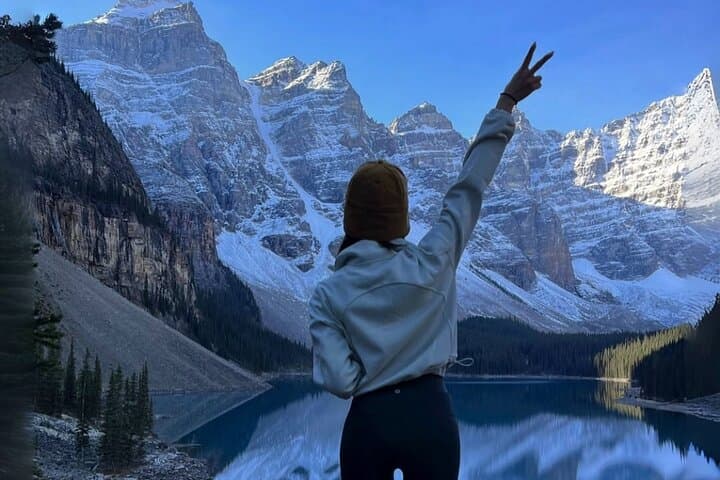
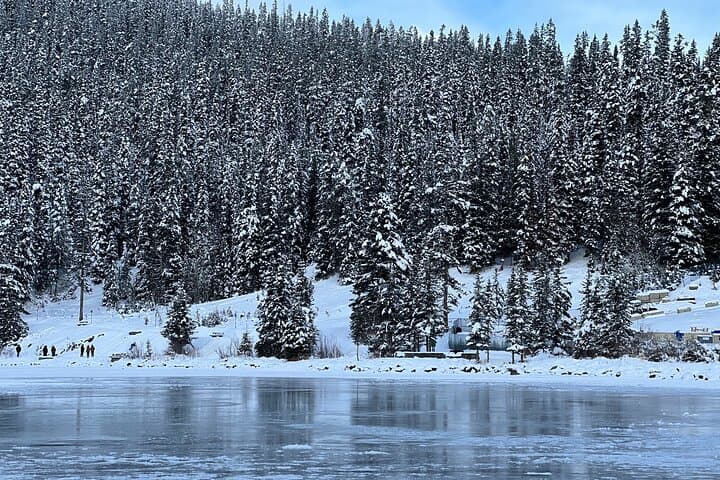
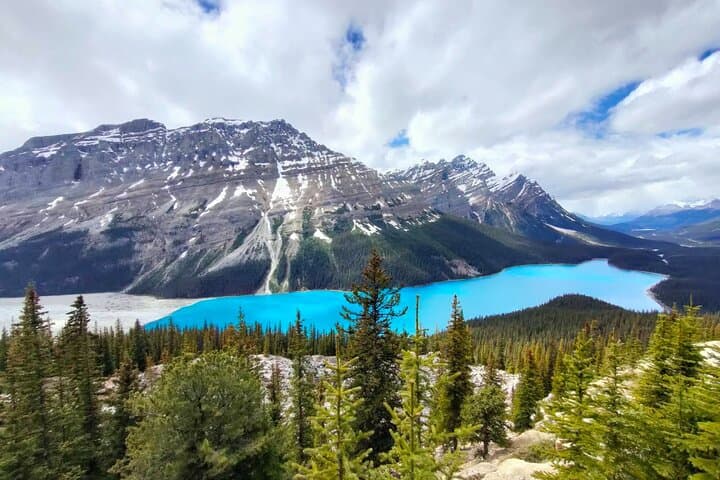
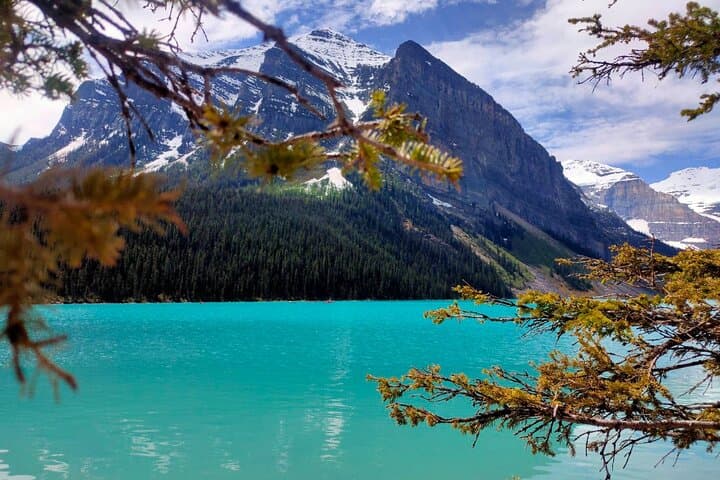
You step off the coach into a cold, thin air and the lakes answer in color: Lake Louise’s emerald mirror, Peyto’s wolf-shaped turquoise, Bow Lake strewn with glittering ice, and Crowfoot Glacier crouching above the valley. The road hums behind you and the mountains press forward, daring you to look longer.
You step off the coach into a cold, thin air and the lakes answer in color: Lake Louise’s emerald mirror, Peyto’s wolf-shaped turquoise, Bow Lake strewn with glittering ice, and Crowfoot Glacier crouching above the valley. The road hums behind you and the mountains press forward, daring you to look longer.
These basins are the work of Pleistocene ice — glaciers carving cirques and leaving rock flour that gives the lakes their unreal hues. Banff National Park, Canada’s first national park (est. 1885), sits on traditional Stoney Nakoda territory; names and routes here have deep Indigenous and guide-era histories you’ll notice in place names and interpretive signs.
Culturally, the Banff corridor is a working mix of conservation, tourism, and local mountain life: lodges, guiding outfits, and roadside viewpoints built to keep visitors moving without eroding the fragile ground.
Practically, this is a long but accessible sightseeing loop best done with early light. Moraine Lake requires seasonal access (summer months) and the operator substitutes alternate stops in winter — crampons may be provided in snowy months. Expect short walks from viewpoints, uneven boardwalks at Peyto, and brief picnic stops near Bow Lake. Dress in layers, carry water and bear spray if you’ll wander trails, and keep camera batteries warm; reflections and color shifts happen fast with changing light. If you want quieter photos, ask to be dropped at viewpoints early or late in the day; otherwise prepare for busy pullouts.
This route delivers concentrated Rocky Mountain geology, reliable photo ops, and a clear sense of why these peaks and waters pull people back year after year.