THE ADVENTURE COLLECTIVE® · Independent discovery and booking for outdoor travel

A secluded full-day canyoneering trip on the northeastern edge of Banff National Park. Expect four rappels, natural slides, pool jumps and remote mountain views; technical instruction and wetsuits are provided.
A secluded full-day canyoneering trip on the northeastern edge of Banff National Park. Expect four rappels, natural slides, pool jumps and remote mountain views; technical instruction and wetsuits are provided.
You step out of the van into thin mountain air and the smell of wet stone; pines shiver as guides rifle through harnesses and wetsuits. The drive to Ghost Canyon peels away tourist crowds, trading highways for a 4x4 approach and a 30–45 minute hike to the canyon lip. Below, the canyon narrows into a corridor of slick rock, blue pools and a line of waterfalls that dare you to descend.
Verified experiences and guided adventures in the surrounding area.
Operated by Bow Valley Canyon Tours · Banff, Alberta
You step out of the van into thin mountain air and the smell of wet stone; pines shiver as guides rifle through harnesses and wetsuits. The drive to Ghost Canyon peels away tourist crowds, trading highways for a 4x4 approach and a 30–45 minute hike to the canyon lip. Below, the canyon narrows into a corridor of slick rock, blue pools and a line of waterfalls that dare you to descend.
Ghost Canyon sits on the northeastern edge of Banff National Park where glacially sculpted limestone and quartzite create tight slots, natural slides and plunge pools. The route reflects the region’s geological history—ice-carved valleys redirected by uplift—and the corridor carries stories of Indigenous travel routes and early explorers who moved through these ranges long before recreation did.
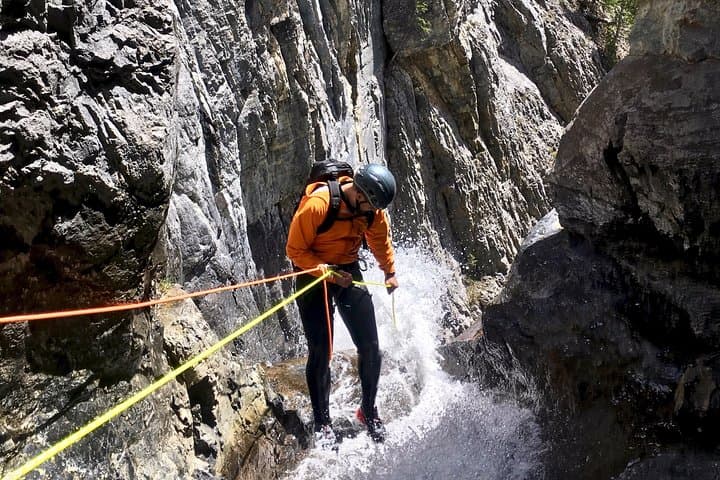
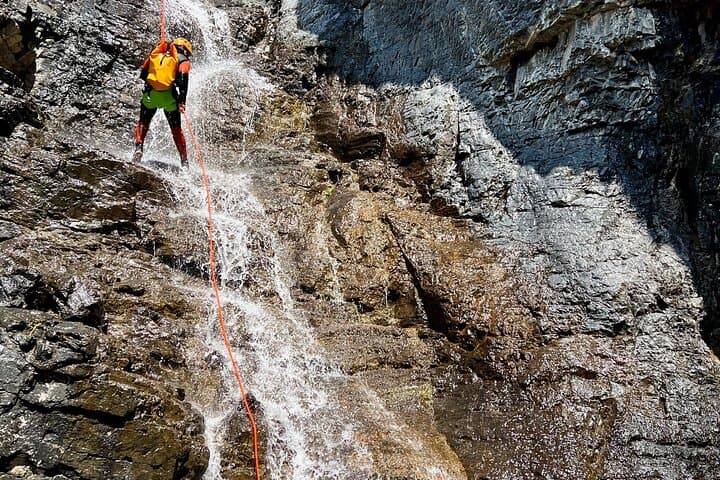
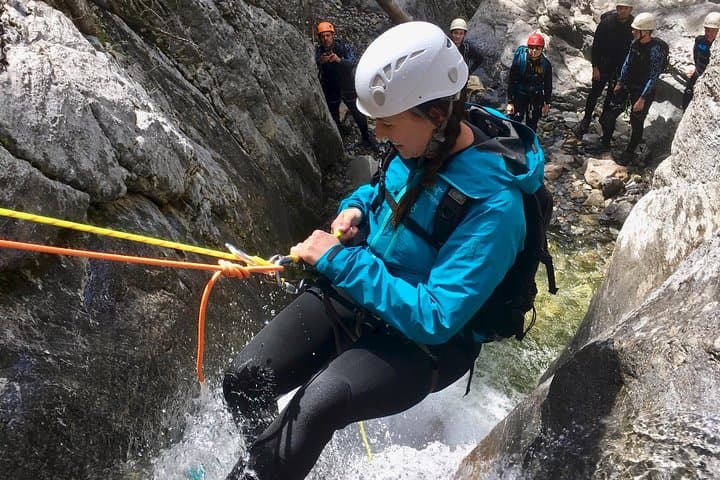
The day is procedural: a safety clinic, fitted harnesses and helmets, then four rappels woven with scrambling, slides and controlled pool jumps. Guides provide technical instruction; previous rope experience isn’t required, but comfort with heights and basic swimming is. Wildlife holds at the canyon rim—bighorn sheep and songbirds—while the canyon floor channels water with a blunt, persistent force that seems to push you forward.
Practical notes: the full outing runs about eight hours door-to-door, with 3–4 hours descending the canyon. Expect wet conditions, cold water even in summer, and variable footing; neoprene and booties are supplied. Bring layered quick-dry clothing, a small daypack, and a sense of adventure. Hydrate before the hike, listen closely during the rope clinic, and plan for an early return if weather closes in—this is a mountain environment where conditions change fast.
moderate.
8 hours (full day); 3–4 hours canyon descent.
Participants should have moderate fitness: able to hike 30–45 minutes with a pack, comfortable with swimming and heights
Participants must be at least 15 years old and the trip requires a minimum of two people to operate; group sizes cap at eight.
No—guides run a mandatory rappel and rope safety clinic before descending, so beginners can participate with proper guidance.
Trips are cancelled for heavy rain, high water or unsafe conditions; operators typically offer a full refund if cancelled at least 24 hours prior.
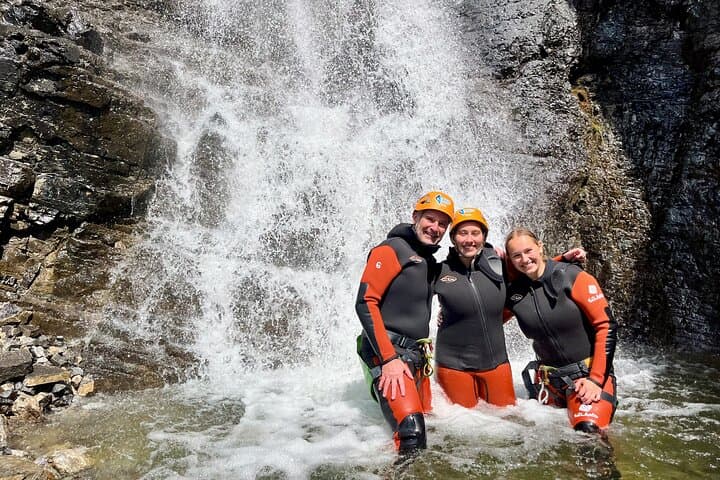
Guides supply wetsuits, neoprene socks/booties, helmets, harnesses and rope systems; bring quick-dry clothing, water, and any personal footwear if preferred.
The canyon’s corridor was shaped by glaciers and meltwater during the last ice age; Indigenous peoples and early explorers traversed these valleys long before recreational use emerged.
Stay on established approach trails, pack out waste, and avoid introducing soaps or sunscreen into canyon pools—alpine waterways are ecologically sensitive.
Bow Valley Canyon Tours operates guided outdoor trips and adventures with an emphasis on safety, stewardship, and memorable experiences.
You step out of the van into thin mountain air and the smell of wet stone; pines shiver as guides rifle through harnesses and wetsuits. The drive to Ghost Canyon peels away tourist crowds, trading highways for a 4x4 approach and a 30–45 minute hike to the canyon lip. Below, the canyon narrows into a corridor of slick rock, blue pools and a line of waterfalls that dare you to descend.
You step out of the van into thin mountain air and the smell of wet stone; pines shiver as guides rifle through harnesses and wetsuits. The drive to Ghost Canyon peels away tourist crowds, trading highways for a 4x4 approach and a 30–45 minute hike to the canyon lip. Below, the canyon narrows into a corridor of slick rock, blue pools and a line of waterfalls that dare you to descend.
Ghost Canyon sits on the northeastern edge of Banff National Park where glacially sculpted limestone and quartzite create tight slots, natural slides and plunge pools. The route reflects the region’s geological history—ice-carved valleys redirected by uplift—and the corridor carries stories of Indigenous travel routes and early explorers who moved through these ranges long before recreation did.
The day is procedural: a safety clinic, fitted harnesses and helmets, then four rappels woven with scrambling, slides and controlled pool jumps. Guides provide technical instruction; previous rope experience isn’t required, but comfort with heights and basic swimming is. Wildlife holds at the canyon rim—bighorn sheep and songbirds—while the canyon floor channels water with a blunt, persistent force that seems to push you forward.
Practical notes: the full outing runs about eight hours door-to-door, with 3–4 hours descending the canyon. Expect wet conditions, cold water even in summer, and variable footing; neoprene and booties are supplied. Bring layered quick-dry clothing, a small daypack, and a sense of adventure. Hydrate before the hike, listen closely during the rope clinic, and plan for an early return if weather closes in—this is a mountain environment where conditions change fast.