THE ADVENTURE COLLECTIVE® · Independent discovery and booking for outdoor travel

Learn to read animal tracks in the snow on a guided two-hour walk through Banff National Park. Quiet, interpretive, and accessible for most fitness levels, this tour pairs winter scenery with hands-on wildlife tracking instruction.
Learn to read animal tracks in the snow on a guided two-hour walk through Banff National Park. Quiet, interpretive, and accessible for most fitness levels, this tour pairs winter scenery with hands-on wildlife tracking instruction.
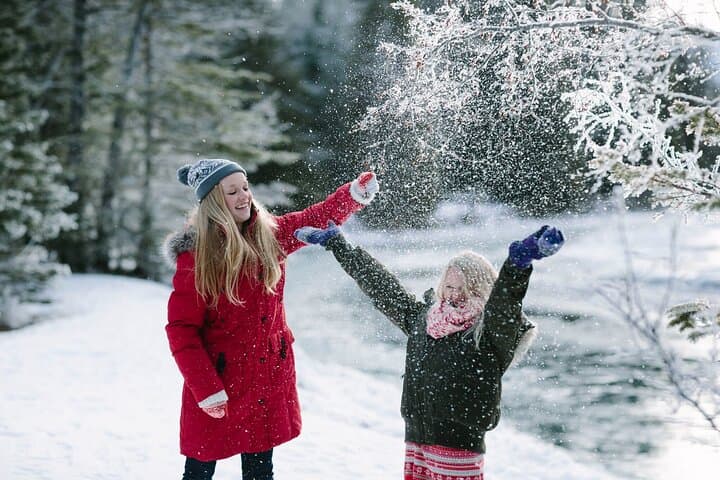
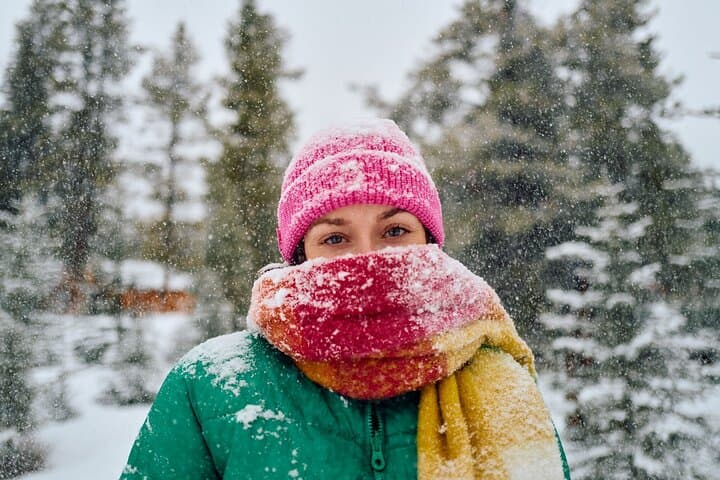
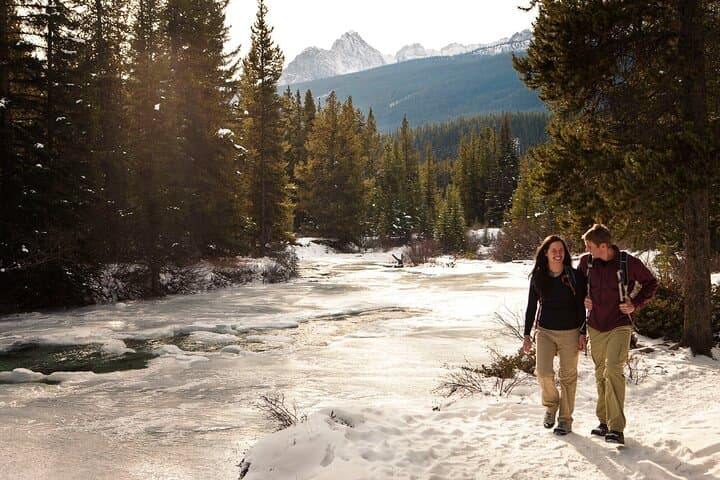
Snow hushes the forest as you step off the groomed path and into a world written in tracks. The guide pauses, points at a crescent-shaped print, and the quiet becomes a classroom — deer, coyote, and snowshoe hare have each left a story in the white. Cold air bites at exposed skin while lichen-draped spruce lean in like curious neighbors; the trail pushes you forward and the pines reply with a soft rattle.
Verified experiences and guided adventures in the surrounding area.
Operated by Banff & Canmore Tours · Banff, Alberta
Snow hushes the forest as you step off the groomed path and into a world written in tracks. The guide pauses, points at a crescent-shaped print, and the quiet becomes a classroom — deer, coyote, and snowshoe hare have each left a story in the white. Cold air bites at exposed skin while lichen-draped spruce lean in like curious neighbors; the trail pushes you forward and the pines reply with a soft rattle.
This walk takes place in the foothills of the Canadian Rockies, inside the historic boundaries of Banff National Park, one of North America’s earliest protected areas. The bedrock here is ancient Paleozoic limestone carved by ice and water; small valleys, glacial erratics, and frozen rivulets map out a geological past that shaped wildlife routes and Indigenous travel corridors long before tourism.
Locally the mountain towns feed a culture of backcountry respect — guides emphasize quiet observation and minimal impact so animals keep their winter havens. Your guide will decode tracks, scat, bedding sites and subtle habitat clues, and point out tree-foraging and thermal micro-sites that keep animals moving through the cold.
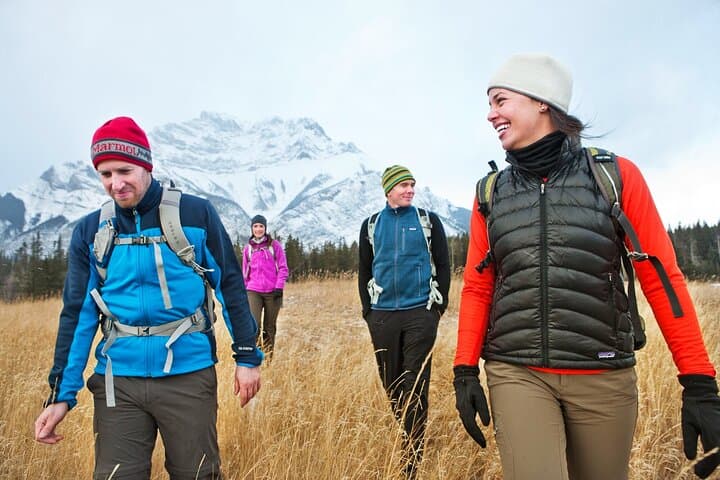
Practically: dress in layers, bring waterproof boots and traction, and arrive early to avoid crowds. Expect 2 hours of low-mileage walking on packed snow with short stops for interpretation and photos. Guides carry knowledge, but not miracle weather; tours are often canceled for safety in extreme storms. Keep camera batteries warm, stay on marked routes, and give wildlife room — sightings are chance-driven, rewards for patience and silence.
easy.
2 hours.
Suitable for most people who can walk on packed snow for two hours; not recommended for those with serious mobility or cardiovascular issues.
Children 8 and older may participate; the tour is family-friendly but requires the ability to walk in snow for two hours.
Tours can be canceled for safety in extreme cold, high winds, or heavy snowfall; you’ll be notified and eligible for a full refund if canceled at least 24 hours in advance.
Ice cleats or walking poles may be provided on request, but guests should bring properly fitted footwear and personal traction if available.
Sightings aren’t guaranteed — guides increase chances through route choice and quiet observation, but tracks and signs are the primary learning focus.
Banff National Park was established in the late 19th century as Canada’s first national park; the region’s trails follow routes used by Indigenous peoples and early mountaineers.
Winter is a critical time for wildlife — stay on designated routes, minimize noise, and avoid approaching animals to reduce stress and preserve habitat.
Banff & Canmore Tours operates guided outdoor trips and adventures with an emphasis on safety, stewardship, and memorable experiences.
Snow hushes the forest as you step off the groomed path and into a world written in tracks. The guide pauses, points at a crescent-shaped print, and the quiet becomes a classroom — deer, coyote, and snowshoe hare have each left a story in the white. Cold air bites at exposed skin while lichen-draped spruce lean in like curious neighbors; the trail pushes you forward and the pines reply with a soft rattle.
Snow hushes the forest as you step off the groomed path and into a world written in tracks. The guide pauses, points at a crescent-shaped print, and the quiet becomes a classroom — deer, coyote, and snowshoe hare have each left a story in the white. Cold air bites at exposed skin while lichen-draped spruce lean in like curious neighbors; the trail pushes you forward and the pines reply with a soft rattle.
This walk takes place in the foothills of the Canadian Rockies, inside the historic boundaries of Banff National Park, one of North America’s earliest protected areas. The bedrock here is ancient Paleozoic limestone carved by ice and water; small valleys, glacial erratics, and frozen rivulets map out a geological past that shaped wildlife routes and Indigenous travel corridors long before tourism.
Locally the mountain towns feed a culture of backcountry respect — guides emphasize quiet observation and minimal impact so animals keep their winter havens. Your guide will decode tracks, scat, bedding sites and subtle habitat clues, and point out tree-foraging and thermal micro-sites that keep animals moving through the cold.
Practically: dress in layers, bring waterproof boots and traction, and arrive early to avoid crowds. Expect 2 hours of low-mileage walking on packed snow with short stops for interpretation and photos. Guides carry knowledge, but not miracle weather; tours are often canceled for safety in extreme storms. Keep camera batteries warm, stay on marked routes, and give wildlife room — sightings are chance-driven, rewards for patience and silence.