THE ADVENTURE COLLECTIVE® · Independent discovery and booking for outdoor travel

A one-day circuit from Bandung to Kawah Putih and Situ Patenggang highlights West Java’s volcanic landscapes and hilltop lakes. Expect cool mountain air, short hikes over volcanic scree, and optional boat rides on a highland lake.
A one-day circuit from Bandung to Kawah Putih and Situ Patenggang highlights West Java’s volcanic landscapes and hilltop lakes. Expect cool mountain air, short hikes over volcanic scree, and optional boat rides on a highland lake.
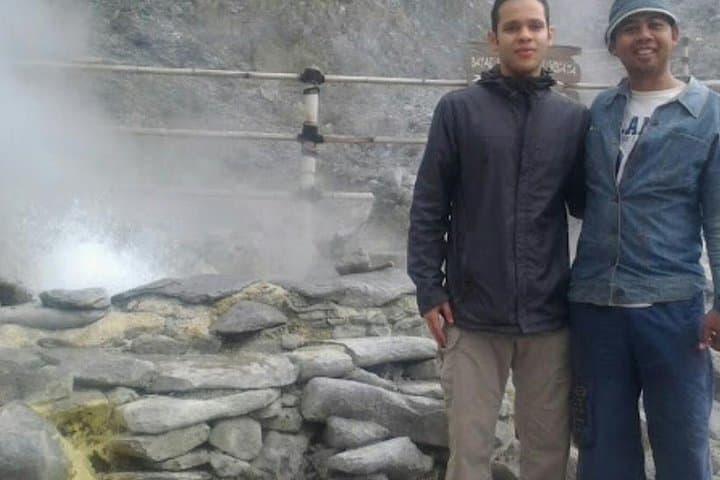
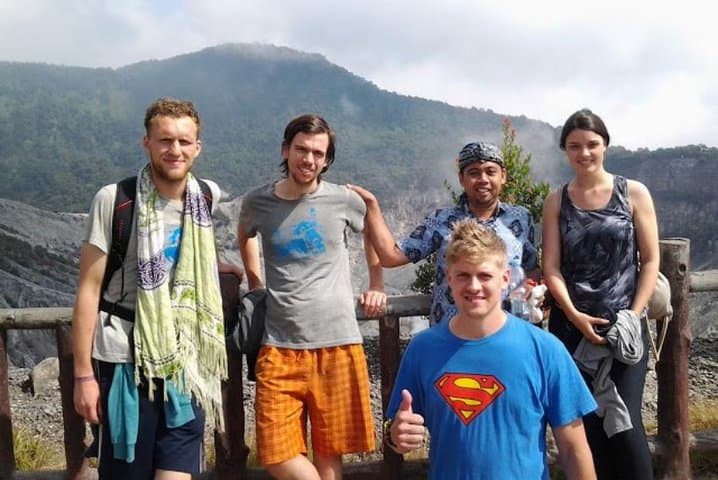
A cool mist clings to the wind-shorn slopes as the road drops away from Bandung’s grid into volcanic highlands. At roughly 800 meters above sea level the air sharpens; tea terraces and eucalyptus edges slip past the van window while sulfur fumes curl from a pale crater lake that seems to glow against the green hills.
Verified experiences and guided adventures in the surrounding area.
Operated by Dori januhari · Bandung, West Java
A cool mist clings to the wind-shorn slopes as the road drops away from Bandung’s grid into volcanic highlands. At roughly 800 meters above sea level the air sharpens; tea terraces and eucalyptus edges slip past the van window while sulfur fumes curl from a pale crater lake that seems to glow against the green hills.
This day trip pairs two contrasting geological scenes: Kawah Putih (White Crater), a shallow, acidic volcanic lake formed by hydrothermal activity south of the city, and Situ Patenggang (Patenggang Lake), a highland basin ringed by tea plantations and colonial-era roadside pines. Bandung itself grew during Dutch colonial times as a cool retreat; that legacy shaped the roads, plantations, and the Asia-Africa Conference sites in the city center. Expect cool, changeable weather and landscapes shaped by recent volcanism and intensive agriculture.
Practicalities matter: Kawah Putih sits about 50 km south of Bandung — plan 1.5–2 hours’ drive each way depending on traffic. Entrance fees and optional boat rentals at Situ Patenggang are often extra; carry local cash. The terrain at Kawah Putih includes short steep steps and loose volcanic scree; Situ Patenggang offers flatter walking and a small jetty for hired boats. Respect posted warnings — sulfur gases can irritate eyes and lungs — and avoid lingering if you have respiratory or cardiovascular issues.
Timing is key: go early to miss afternoon clouds, dress in breathable layers, bring water, and allow time for short walks, photos, and a cup of local tea at a plantation stall.
moderate.
4–9 hours.
Suitable for travelers with moderate fitness; involves short steep sections and periods of walking on loose volcanic scree and uneven paths.
Kawah Putih is roughly 50 km south of Bandung; expect about 1.5–2 hours each way depending on traffic and road conditions.
Entrance fees and optional boat rentals at Situ Patenggang are commonly not included and are paid on-site; bring Indonesian rupiah for small vendors.
Short walks are manageable for many children and active seniors, but the crater area has steps and sulfur fumes which can be problematic for those with respiratory or heart conditions.
Yes — a 4–9 hour day trip typically covers Kawah Putih and Situ Patenggang with time for short walks, photo stops, and a boat ride if desired.
Bandung developed as a highland retreat during Dutch colonial rule and later hosted the 1955 Asia-Africa Conference, which shaped its cultural landmarks and roads.
Visitor pressure and agricultural expansion affect fragile highland peat and volcanic soils; stick to marked paths, avoid littering, and support local guides and small vendors.
Dori januhari operates guided outdoor trips and adventures with an emphasis on safety, stewardship, and memorable experiences.

A cool mist clings to the wind-shorn slopes as the road drops away from Bandung’s grid into volcanic highlands. At roughly 800 meters above sea level the air sharpens; tea terraces and eucalyptus edges slip past the van window while sulfur fumes curl from a pale crater lake that seems to glow against the green hills.
A cool mist clings to the wind-shorn slopes as the road drops away from Bandung’s grid into volcanic highlands. At roughly 800 meters above sea level the air sharpens; tea terraces and eucalyptus edges slip past the van window while sulfur fumes curl from a pale crater lake that seems to glow against the green hills.
This day trip pairs two contrasting geological scenes: Kawah Putih (White Crater), a shallow, acidic volcanic lake formed by hydrothermal activity south of the city, and Situ Patenggang (Patenggang Lake), a highland basin ringed by tea plantations and colonial-era roadside pines. Bandung itself grew during Dutch colonial times as a cool retreat; that legacy shaped the roads, plantations, and the Asia-Africa Conference sites in the city center. Expect cool, changeable weather and landscapes shaped by recent volcanism and intensive agriculture.
Practicalities matter: Kawah Putih sits about 50 km south of Bandung — plan 1.5–2 hours’ drive each way depending on traffic. Entrance fees and optional boat rentals at Situ Patenggang are often extra; carry local cash. The terrain at Kawah Putih includes short steep steps and loose volcanic scree; Situ Patenggang offers flatter walking and a small jetty for hired boats. Respect posted warnings — sulfur gases can irritate eyes and lungs — and avoid lingering if you have respiratory or cardiovascular issues.
Timing is key: go early to miss afternoon clouds, dress in breathable layers, bring water, and allow time for short walks, photos, and a cup of local tea at a plantation stall.