THE ADVENTURE COLLECTIVE® · Independent discovery and booking for outdoor travel

Spend a day between Kawah Putih’s eerie turquoise crater and nearby natural hot springs, with tea-plantation stops and local guides who explain the geology and culture. This private tour combines short walks, photo stops and managed swims for a compact highland experience.
Spend a day between Kawah Putih’s eerie turquoise crater and nearby natural hot springs, with tea-plantation stops and local guides who explain the geology and culture. This private tour combines short walks, photo stops and managed swims for a compact highland experience.
The road climbs out of Bandung and the air thins; mist clings to tea rows and a white, steaming crater waits like a raw wound in the hill. At Kawah Putih the ground exhales sulfur-scented breath and the crater lake shifts between opaque turquoise and steel gray depending on the light, daring you to step closer and photograph the unusual color.
Verified experiences and guided adventures in the surrounding area.
Operated by Khalif Tour · Bandung, West Java
The road climbs out of Bandung and the air thins; mist clings to tea rows and a white, steaming crater waits like a raw wound in the hill. At Kawah Putih the ground exhales sulfur-scented breath and the crater lake shifts between opaque turquoise and steel gray depending on the light, daring you to step closer and photograph the unusual color.
This day tour threads together West Java’s volcanic geology, geothermal culture and plantation life. Kawah Putih sits on the flank of Mount Patuha, a late‑Holocene volcanic cone whose fumaroles and acidic lake formed after historical eruptions. Nearby hot springs — long used by local communities — feed small bathing pools; the area’s tea estates were planted during the colonial period and still follow seasonal harvest rhythms.
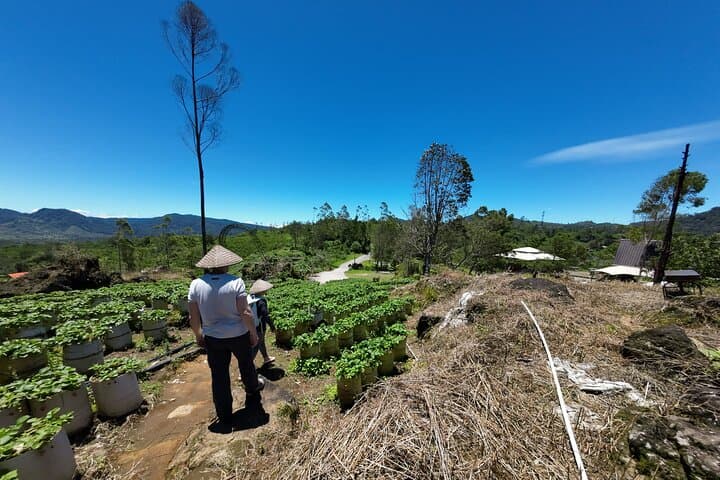
Expect short walks, stair sections to viewpoints and several vehicle transfers across winding highland roads. Cultural notes: tea pickers and small strawberry farms are part of daily life here, and local guides often explain leaf processing or let you taste fresh brews.
Practical guidance: start early to avoid mid-day crowds and sulfur haze, bring a windbreaker and a mask if you’re sensitive to fumes, and have cash for entrance fees and local snacks. Footwear should handle muddy trails and stairs; a swimsuit and quick-dry towel are useful for managed hot spring pools. The tour is a full day (9–10 hours) with low technical difficulty but steady mobility demands — ideal if you want a compact window into Bandung’s volcanic highlands with comfort and local insight.
moderate.
9–10 hours.
Suitable for people who can handle multiple short walks, stairs and several vehicle transfers over a full day; basic mobility needed.
The tour runs about 9–10 hours (roughly 5:00–10:00 hours in total depending on pick-up); most departures return to Bandung in the late afternoon to early evening.
Admission is typically not included in the base price; bring local cash to cover park entrances and any optional hot-spring swims.
Yes — the itinerary is physically easy but includes steps and short hikes; inform the operator of ages and any mobility limitations when booking.
Managed hot-spring pools provided by local operators are generally safe; avoid natural fumaroles and follow guide instructions to prevent burns or exposure to hot vents.
Kawah Putih formed on the flank of Mount Patuha after historical eruptions; tea plantations and strawberry farms were expanded during the colonial era and remain important to local livelihoods.
Geothermal features are fragile — stay on trails, avoid taking mineral samples, and support locally managed hot-spring facilities that contribute to community income.
Khalif Tour operates guided outdoor trips and adventures with an emphasis on safety, stewardship, and memorable experiences.
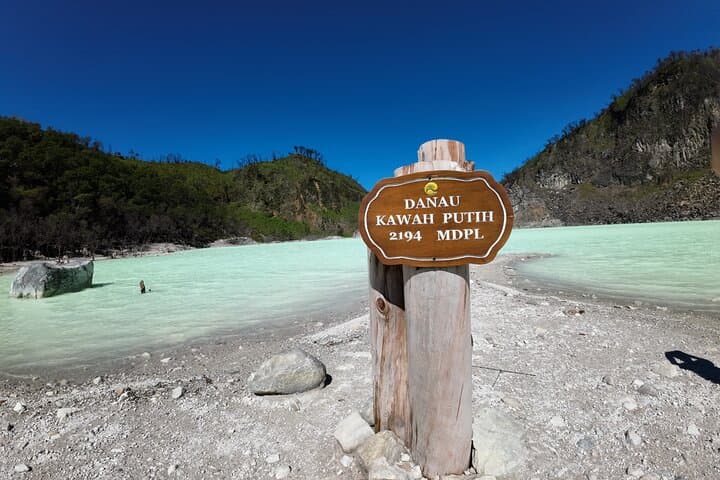
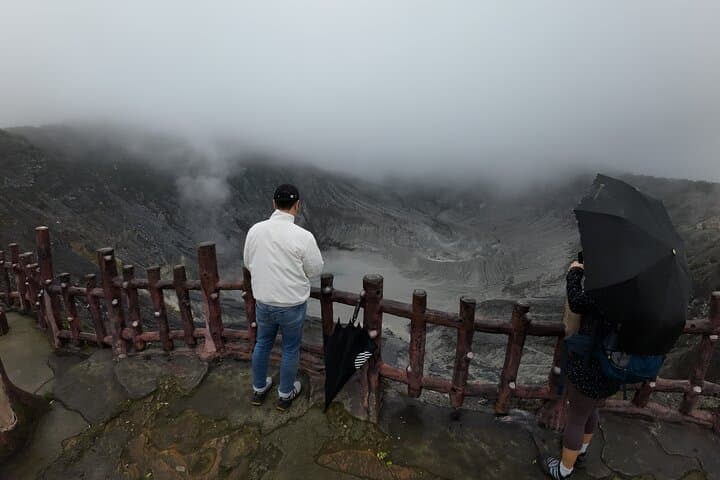
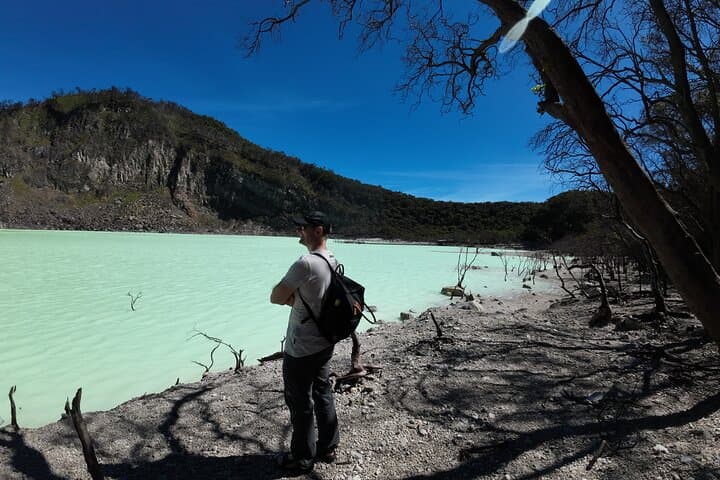
The road climbs out of Bandung and the air thins; mist clings to tea rows and a white, steaming crater waits like a raw wound in the hill. At Kawah Putih the ground exhales sulfur-scented breath and the crater lake shifts between opaque turquoise and steel gray depending on the light, daring you to step closer and photograph the unusual color.
The road climbs out of Bandung and the air thins; mist clings to tea rows and a white, steaming crater waits like a raw wound in the hill. At Kawah Putih the ground exhales sulfur-scented breath and the crater lake shifts between opaque turquoise and steel gray depending on the light, daring you to step closer and photograph the unusual color.
This day tour threads together West Java’s volcanic geology, geothermal culture and plantation life. Kawah Putih sits on the flank of Mount Patuha, a late‑Holocene volcanic cone whose fumaroles and acidic lake formed after historical eruptions. Nearby hot springs — long used by local communities — feed small bathing pools; the area’s tea estates were planted during the colonial period and still follow seasonal harvest rhythms.
Expect short walks, stair sections to viewpoints and several vehicle transfers across winding highland roads. Cultural notes: tea pickers and small strawberry farms are part of daily life here, and local guides often explain leaf processing or let you taste fresh brews.
Practical guidance: start early to avoid mid-day crowds and sulfur haze, bring a windbreaker and a mask if you’re sensitive to fumes, and have cash for entrance fees and local snacks. Footwear should handle muddy trails and stairs; a swimsuit and quick-dry towel are useful for managed hot spring pools. The tour is a full day (9–10 hours) with low technical difficulty but steady mobility demands — ideal if you want a compact window into Bandung’s volcanic highlands with comfort and local insight.