THE ADVENTURE COLLECTIVE® · Independent discovery and booking for outdoor travel

Spend 3.5 hours on Banderas Bay tracking humpback whales from Puerto Vallarta. This guided tour offers close—yet regulated—views of migrating whales, often accompanied by dolphins and seabirds.
Spend 3.5 hours on Banderas Bay tracking humpback whales from Puerto Vallarta. This guided tour offers close—yet regulated—views of migrating whales, often accompanied by dolphins and seabirds.
The motor cuts, the boat eases off the marina and the horizon opens: Banderas Bay stretches wide, blue and alive, and the ocean seems to breathe with expectation. Within minutes the skyline of Puerto Vallarta recedes, palms and low hills giving way to the wide arc of the bay where humpback whales come to breed and nurture calves.
Verified experiences and guided adventures in the surrounding area.
Operated by GoPralia · Puerto Vallarta, Jalisco
The motor cuts, the boat eases off the marina and the horizon opens: Banderas Bay stretches wide, blue and alive, and the ocean seems to breathe with expectation. Within minutes the skyline of Puerto Vallarta recedes, palms and low hills giving way to the wide arc of the bay where humpback whales come to breed and nurture calves.
Banderas Bay is both recent and ancient—geologically carved by tectonics along the western edge of Mexico and shaped by seasonal currents that funnel marine life into its sheltered waters. Puerto Vallarta grew from a fishing village into a coastal hub, and local captains still read the sea the way fishers always have. Humpbacks arrive during the winter months to mate and give birth, a migration written into the calendar of the bay.
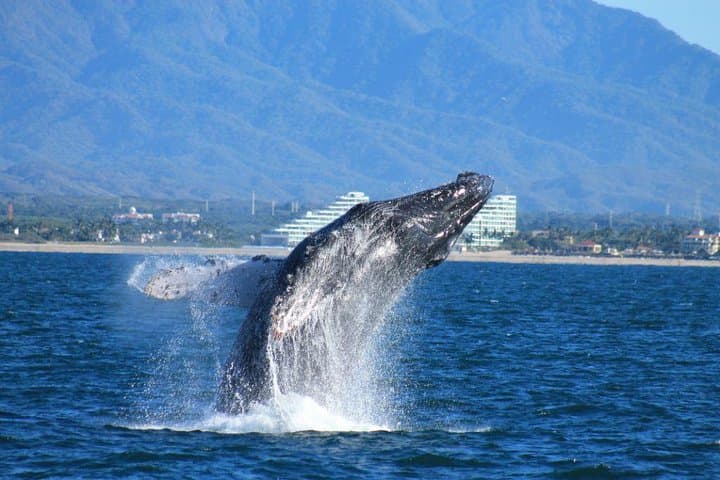
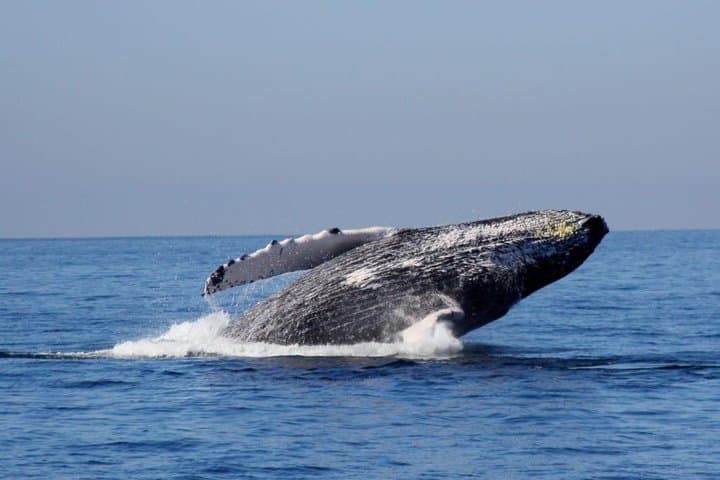
Expect the ritual of whale watching: long glides, tail slaps, and the occasional breach that punctuates the slow calm. Boats follow regulated approach distances to reduce stress on animals; sightings peak from December through March, with shorter seasons into April. Dolphins, sea turtles and seabirds often accompany the show.
Practical notes: tours typically run about 3.5 hours and are suitable for most fitness levels, but bring sun protection, layers and motion-sickness prevention for choppy days. Binoculars and a camera with a zoom lens help, though the moment itself feels bigger than any image. Book ahead during peak winter months, arrive early at the marina, and choose operators that brief passengers on responsible viewing. With a bit of planning, a few hours on Banderas Bay delivers a clear-eyed encounter with one of the ocean’s most spectacular migrations.
easy.
3–4 hours.
Minimal fitness required; ability to board a small passenger boat and stand for portions of the trip is helpful.
Peak season runs from December through March; sightings commonly continue into early April depending on the year’s migration.
Most operators accept passengers of all ages, but tours are not recommended for very young infants and those with serious heart or mobility issues—check the operator’s policy before booking.
While no sighting can be guaranteed, peak-season tours have a high success rate; experienced guides know where to look and how to interpret feeding and breeding behavior.
Responsible operators maintain regulated distances and follow local guidelines—approach rules and time limits reduce stress on whales, so expect some distance between vessel and animals.
Puerto Vallarta’s waterfront evolved from 20th-century fishing and shrimping communities to a tourism gateway; whale watching became a seasonal economy that ties local livelihoods to marine conservation.
Operators and regional authorities enforce approach limits and timing to protect mothers and calves; choose companies that brief guests on low-impact viewing and support local marine research.
GoPralia operates guided outdoor trips and adventures with an emphasis on safety, stewardship, and memorable experiences.


The motor cuts, the boat eases off the marina and the horizon opens: Banderas Bay stretches wide, blue and alive, and the ocean seems to breathe with expectation. Within minutes the skyline of Puerto Vallarta recedes, palms and low hills giving way to the wide arc of the bay where humpback whales come to breed and nurture calves.
The motor cuts, the boat eases off the marina and the horizon opens: Banderas Bay stretches wide, blue and alive, and the ocean seems to breathe with expectation. Within minutes the skyline of Puerto Vallarta recedes, palms and low hills giving way to the wide arc of the bay where humpback whales come to breed and nurture calves.
Banderas Bay is both recent and ancient—geologically carved by tectonics along the western edge of Mexico and shaped by seasonal currents that funnel marine life into its sheltered waters. Puerto Vallarta grew from a fishing village into a coastal hub, and local captains still read the sea the way fishers always have. Humpbacks arrive during the winter months to mate and give birth, a migration written into the calendar of the bay.
Expect the ritual of whale watching: long glides, tail slaps, and the occasional breach that punctuates the slow calm. Boats follow regulated approach distances to reduce stress on animals; sightings peak from December through March, with shorter seasons into April. Dolphins, sea turtles and seabirds often accompany the show.
Practical notes: tours typically run about 3.5 hours and are suitable for most fitness levels, but bring sun protection, layers and motion-sickness prevention for choppy days. Binoculars and a camera with a zoom lens help, though the moment itself feels bigger than any image. Book ahead during peak winter months, arrive early at the marina, and choose operators that brief passengers on responsible viewing. With a bit of planning, a few hours on Banderas Bay delivers a clear-eyed encounter with one of the ocean’s most spectacular migrations.