THE ADVENTURE COLLECTIVE® · Independent discovery and booking for outdoor travel

A multi-day trek through the Ifugao highlands that links four traditional villages, amphitheater terraces and a waterfall. Expect long hiking days (3–4 hours each), homestays, steep stone steps and deeply rooted local culture.
A multi-day trek through the Ifugao highlands that links four traditional villages, amphitheater terraces and a waterfall. Expect long hiking days (3–4 hours each), homestays, steep stone steps and deeply rooted local culture.
You step off a night bus into cool mountain air and the outline of terraces cuts the horizon—sharp ridgelines of green and earth descending like carved steps.
Verified experiences and guided adventures in the surrounding area.
Operated by Hike Manila · Banaue, Ifugao
You step off a night bus into cool mountain air and the outline of terraces cuts the horizon—sharp ridgelines of green and earth descending like carved steps.
This multi-day trek moves through Ifugao’s uplands: a 3-hour forested ridge walk from Awan Igid into Pula, longer 4-hour ascents and descents into Cambulo and Batad’s amphitheater terraces, and trail links to Tappiyah Waterfall and Bangaan. The terraces sit at roughly 1,000–1,500 m elevation and are hewn into volcanic slopes and river valleys, their irrigation fed by ancestral channels maintained by village communities.
Ifugao culture is visible along the route—wooden houses on stilts, rice-field layouts that reflect clan land divisions, and construction techniques handed down for centuries. Geologically, you’ll cross volcanic soils and steep feeders carved by mountain streams; rain quickly turns steep trails into muddy staircases.
Practical guidance: expect daily hiking blocks of 3–4 hours over uneven, often steep terrain with many stone steps and occasional river crossings. Footwear with good ankle support, a lightweight waterproof layer, and at least 2–3 liters of water capacity are essential. Cash is necessary in villages; homestays supply basic meals but bring snacks and a headlamp for evenings. Move deliberately on descents—steps can be loose—and honor local customs: ask before photographing people and follow your guide’s lead on trail etiquette.
This trip rewards patience: close-up views of terrace engineering, village life in rotating homestays, cool waterfalls, and the steady rhythm of a highland landscape that still runs on community labor and gravity-fed water.
challenging.
3–4 days.
Should be in good cardiovascular shape with experience hiking 3–6 hours a day and comfortable on steep, uneven trails
You should be able to hike 3–6 hours on uneven trails with sustained ascents and descents; a high level of fitness is recommended.
The itinerary uses village homestays and simple inns—basic beds and shared facilities with home-cooked meals provided by hosts.
Carry water; villages may provide boiled or bottled water but you should bring a reusable bottle and purification tablets as backup.
The dry, cooler months are best for trails and views—avoid the monsoon period when trails become slippery and waterfalls can be dangerous.
Ifugao communities have managed the terraces and irrigation channels for centuries; the rice terraces are a cultural landscape shaped by communal agriculture and ceremony.
Trails and terraces are sensitive to erosion and visitor pressure—stick to marked paths, use local guides and support homestays to help sustain communities.
Hike Manila operates guided outdoor trips and adventures with an emphasis on safety, stewardship, and memorable experiences.
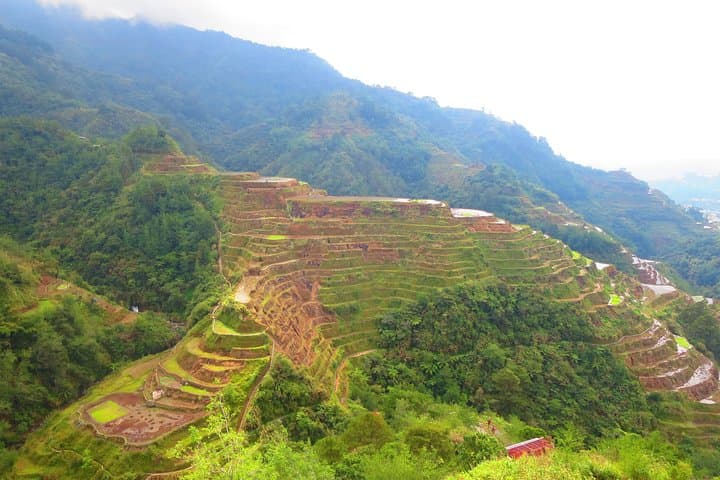
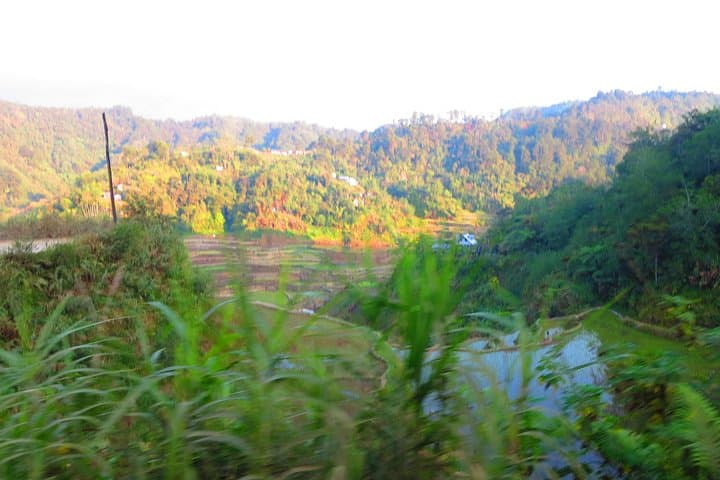
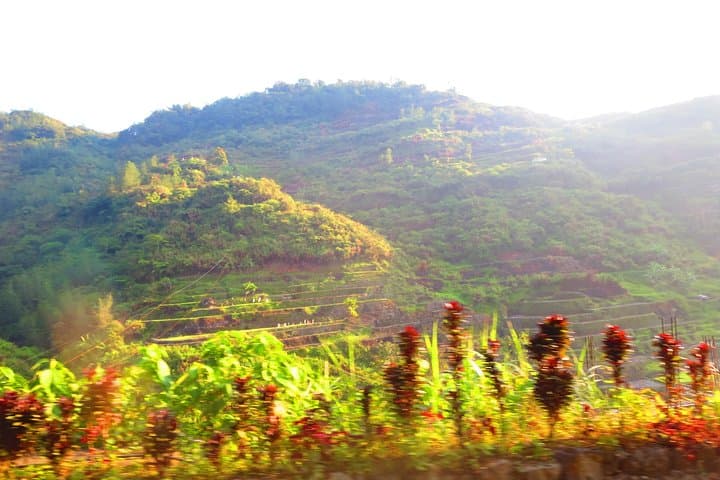
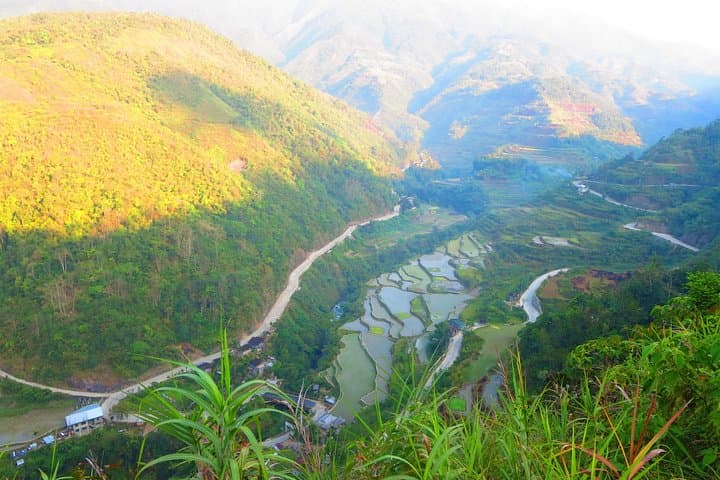
You step off a night bus into cool mountain air and the outline of terraces cuts the horizon—sharp ridgelines of green and earth descending like carved steps.
You step off a night bus into cool mountain air and the outline of terraces cuts the horizon—sharp ridgelines of green and earth descending like carved steps.
This multi-day trek moves through Ifugao’s uplands: a 3-hour forested ridge walk from Awan Igid into Pula, longer 4-hour ascents and descents into Cambulo and Batad’s amphitheater terraces, and trail links to Tappiyah Waterfall and Bangaan. The terraces sit at roughly 1,000–1,500 m elevation and are hewn into volcanic slopes and river valleys, their irrigation fed by ancestral channels maintained by village communities.
Ifugao culture is visible along the route—wooden houses on stilts, rice-field layouts that reflect clan land divisions, and construction techniques handed down for centuries. Geologically, you’ll cross volcanic soils and steep feeders carved by mountain streams; rain quickly turns steep trails into muddy staircases.
Practical guidance: expect daily hiking blocks of 3–4 hours over uneven, often steep terrain with many stone steps and occasional river crossings. Footwear with good ankle support, a lightweight waterproof layer, and at least 2–3 liters of water capacity are essential. Cash is necessary in villages; homestays supply basic meals but bring snacks and a headlamp for evenings. Move deliberately on descents—steps can be loose—and honor local customs: ask before photographing people and follow your guide’s lead on trail etiquette.
This trip rewards patience: close-up views of terrace engineering, village life in rotating homestays, cool waterfalls, and the steady rhythm of a highland landscape that still runs on community labor and gravity-fed water.