THE ADVENTURE COLLECTIVE® · Independent discovery and booking for outdoor travel

Spend a full day exploring Pico’s wine terraces, whaling heritage, tidal pools and a working banana plantation on a private round-trip from Faial. This cultural tour blends geology, history and hands-on local insights with ferry transit and lunch included.
Spend a full day exploring Pico’s wine terraces, whaling heritage, tidal pools and a working banana plantation on a private round-trip from Faial. This cultural tour blends geology, history and hands-on local insights with ferry transit and lunch included.
You step off the Faial ferry into a wind that smells of salt and basalt, then slide into private transport for a clockwise lap of southern Pico. The day opens on low, black walls—UNESCO-listed vineyards carved from lava—where guides explain how vines survive on porous rock and why Pico wine shaped island life.
Verified experiences and guided adventures in the surrounding area.
Operated by Our Island · Horta, Azores
You step off the Faial ferry into a wind that smells of salt and basalt, then slide into private transport for a clockwise lap of southern Pico. The day opens on low, black walls—UNESCO-listed vineyards carved from lava—where guides explain how vines survive on porous rock and why Pico wine shaped island life.
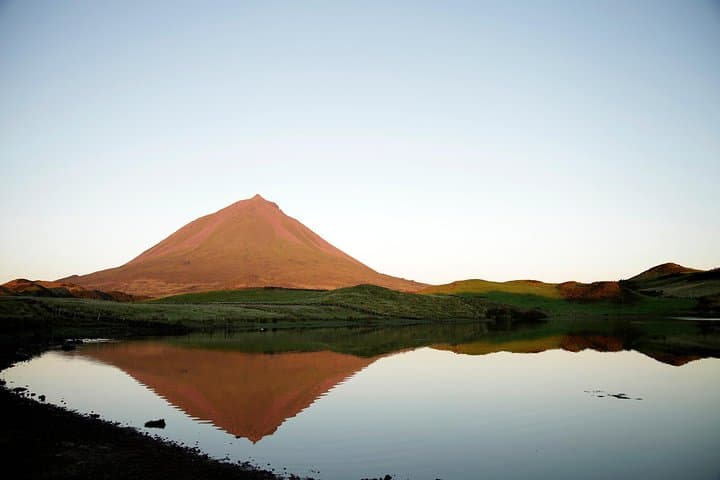
History here reads like a coastal ledger: whaling stations turned museums, family-run vineyards, and a culture that turned scarcity into craft. Geology is ever-present—the island is a volcanic ridge crowned by Mount Pico (2,351 m), and the central plateau shows old flows and scrub that give way to tidal pools along the shore. At São João and Lajes you’ll feel the Atlantic’s edges: tide pools daring you to step closer and coastal cliffs that pronounce the sea’s mood.
Cultural stops include a guided visit to the Whaling Museum and a traditional lunch in Lajes, where local recipes reflect maritime and agricultural heritage. The tour finishes, aptly, at a working banana plantation—small, sheltered pockets where microclimates let bananas ripen on volcanic soil.
Practical guidance: the full-day private tour is roughly 12 hours including ferry transit from Horta (about 30–40 minutes each way). Terrain is low-impact—short walks on paved lanes and uneven coastal rock—so sturdy shoes and sun protection are recommended. Bring a light layer for sudden Atlantic breezes, a reusable bottle, and a camera with a waterproof case if you plan to explore tide pools. Since this is a private cultural loop, pace is relaxed yet structured; expect a mix of museum time, guided explanation, and short natural stops that together sketch the island’s human and geological story.
easy.
12 hours (full day).
Suitable for most fitness levels; involves short, low-impact walks and some standing during museum visits and coastal stops.
Typical ferry crossings run about 30–40 minutes each way, but schedules vary seasonally and with weather, so confirm timing before departure.
Yes — the tour is described as physically easy with short walks and vehicle transport; infant seats and stroller access are available, but check specifics on pickup and mobility needs.
Lunch and the Whaling Museum visit are included in the tour price; confirm if any optional purchases at shops or additional attractions are your responsibility.
For intra-Azores travel, passports are not always required for EU citizens, but bring photo ID or your passport if requested—especially if booking international travel connections.
Pico’s coastal vineyards and maritime economy grew from centuries of adapting to volcanic rock; whaling shaped 19th–20th century livelihoods and is now interpreted in local museums.
The UNESCO vineyard landscape is protected to preserve traditional rock-wall cultivation; visitors should stay on paths and avoid trampling fragile vegetation and tide-pool life.
Our Island operates guided outdoor trips and adventures with an emphasis on safety, stewardship, and memorable experiences.
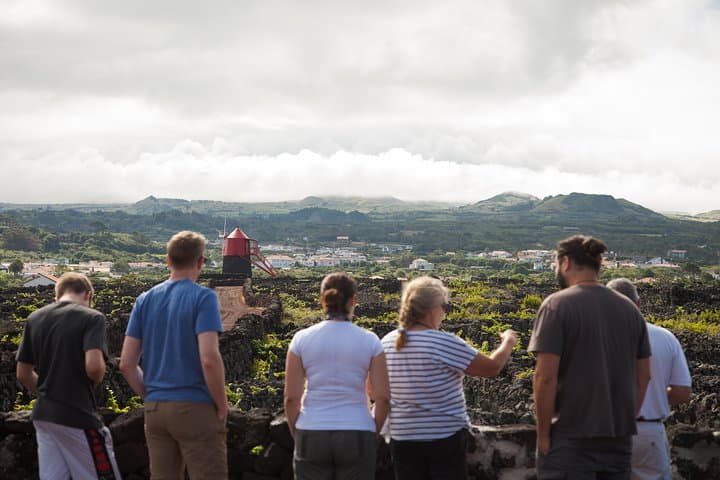
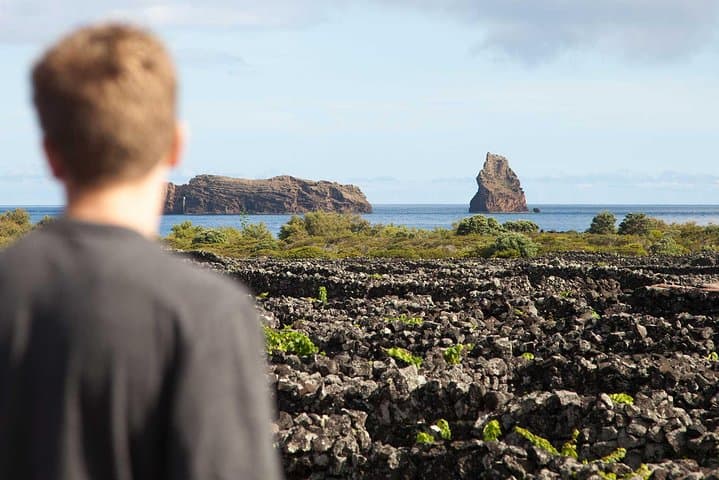
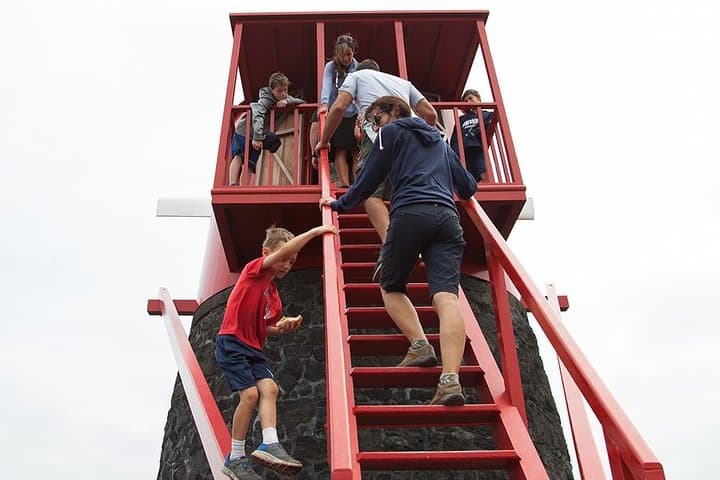
You step off the Faial ferry into a wind that smells of salt and basalt, then slide into private transport for a clockwise lap of southern Pico. The day opens on low, black walls—UNESCO-listed vineyards carved from lava—where guides explain how vines survive on porous rock and why Pico wine shaped island life.
You step off the Faial ferry into a wind that smells of salt and basalt, then slide into private transport for a clockwise lap of southern Pico. The day opens on low, black walls—UNESCO-listed vineyards carved from lava—where guides explain how vines survive on porous rock and why Pico wine shaped island life.
History here reads like a coastal ledger: whaling stations turned museums, family-run vineyards, and a culture that turned scarcity into craft. Geology is ever-present—the island is a volcanic ridge crowned by Mount Pico (2,351 m), and the central plateau shows old flows and scrub that give way to tidal pools along the shore. At São João and Lajes you’ll feel the Atlantic’s edges: tide pools daring you to step closer and coastal cliffs that pronounce the sea’s mood.
Cultural stops include a guided visit to the Whaling Museum and a traditional lunch in Lajes, where local recipes reflect maritime and agricultural heritage. The tour finishes, aptly, at a working banana plantation—small, sheltered pockets where microclimates let bananas ripen on volcanic soil.
Practical guidance: the full-day private tour is roughly 12 hours including ferry transit from Horta (about 30–40 minutes each way). Terrain is low-impact—short walks on paved lanes and uneven coastal rock—so sturdy shoes and sun protection are recommended. Bring a light layer for sudden Atlantic breezes, a reusable bottle, and a camera with a waterproof case if you plan to explore tide pools. Since this is a private cultural loop, pace is relaxed yet structured; expect a mix of museum time, guided explanation, and short natural stops that together sketch the island’s human and geological story.