THE ADVENTURE COLLECTIVE® · Independent discovery and booking for outdoor travel

A compact two-day trip from Hanoi that puts you at Ban Gioc, one of the world’s largest transnational waterfalls, with visits to Nguom Ngao Cave and Mat Than Mountain. Expect long coach transfers, set-menu meals, and dramatic river-and-limestone scenery.
A compact two-day trip from Hanoi that puts you at Ban Gioc, one of the world’s largest transnational waterfalls, with visits to Nguom Ngao Cave and Mat Than Mountain. Expect long coach transfers, set-menu meals, and dramatic river-and-limestone scenery.
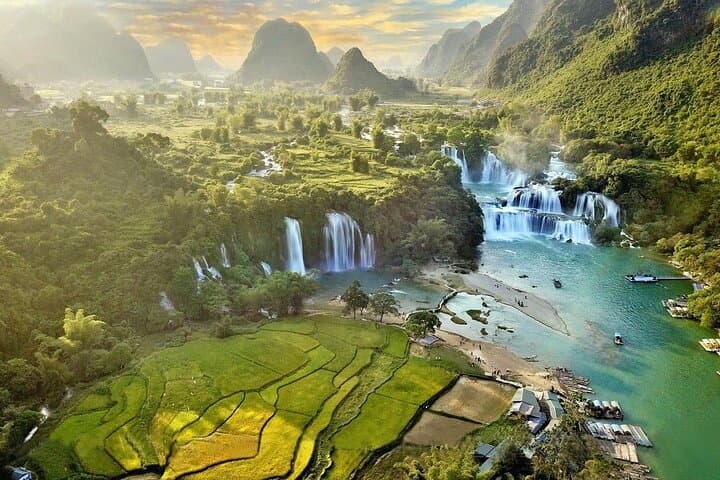
The road unfurls north from Hanoi, folding into karst ridges and terraces until the cascade of Ban Gioc appears—wide, segmented, and loud against the limestone ledges. On day one the bus eases into Đong Khe, a town marked by war-era history, then threads quieter lanes to Nguom Ngao (Tiger Cave) where cool caverns and stalactites pull the light inward.
Verified experiences and guided adventures in the surrounding area.
Operated by Indochina Today Travel · Cao Bang, Cao Bang
The road unfurls north from Hanoi, folding into karst ridges and terraces until the cascade of Ban Gioc appears—wide, segmented, and loud against the limestone ledges. On day one the bus eases into Đong Khe, a town marked by war-era history, then threads quieter lanes to Nguom Ngao (Tiger Cave) where cool caverns and stalactites pull the light inward.
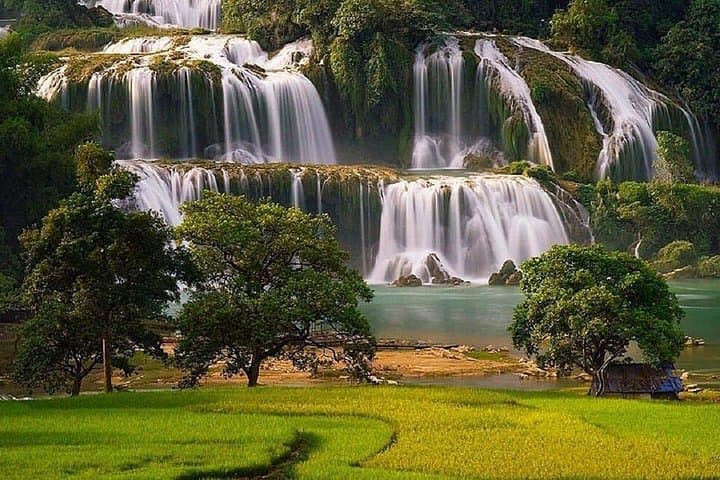
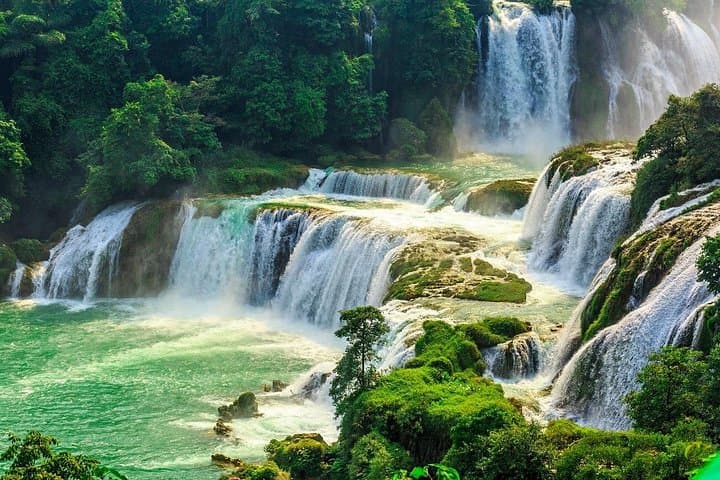
Geology here is blunt and readable: layered limestone carved by persistent water into waterfalls, plunge pools and caves. Ban Gioc sits on an international boundary and its stepped falls expand and contract with seasonal rains; during high water it broadens into curtains that dare you to get closer, while dry-season channels reveal rock shelves and small islands.
Culturally, this borderland is mosaic—Tay and Nung minority villages, riverside farms, and roadside markets selling sticky rice and grilled fish. Mat Than Mountain offers short climbs and open viewpoints where you can watch mist lift from the river valley.
Practically, expect long coach transfers, two set-menu lunches and one hotel night in Cao Bằng province, plus English-speaking guides. Bring a passport (required for cross-border areas), waterproof layers, and footwear that grips wet stone. Timing matters: morning light softens the falls and afternoons can be crowded. Photography and short walks dominate the itinerary; strenuous hiking is minimal.
This two-day cycle balances travel and time at the falls—ideal for travelers who want maximum waterfall viewing without an extended backcountry slog. Respect local rules at viewing platforms, hydrate on the move, and leave no trace to keep the falls as loud and alive for the next group.
easy.
2 days (approx. 8–12 hours travel per day).
Suitable for travelers in average fitness—able to handle long coach rides and short, easy walks to viewpoints.
Most travelers enter the site from Vietnam and should carry their passport; visa requirements depend on nationality—check Vietnamese entry rules before travel.
Walks are short and mostly on developed paths and steps; the cave involves low ceilings and uneven ground but no technical climbing.
Set-menu meals (breakfast, lunch, dinner as listed) and one night accommodation based on twin/double are included in the tour price.
Yes—itineraries may be altered because of bad weather, high water, or operational conditions; guides will adjust for safety and access.
Đong Khe and surrounding valleys saw significant activity during the First Indochina War, with local sites recalling borderland conflict history.
Seasonal water levels and upstream management affect flow; visitors should stick to paths, avoid disturbing wildlife, and pack out all trash to protect river habitats.
Indochina Today Travel operates guided outdoor trips and adventures with an emphasis on safety, stewardship, and memorable experiences.
The road unfurls north from Hanoi, folding into karst ridges and terraces until the cascade of Ban Gioc appears—wide, segmented, and loud against the limestone ledges. On day one the bus eases into Đong Khe, a town marked by war-era history, then threads quieter lanes to Nguom Ngao (Tiger Cave) where cool caverns and stalactites pull the light inward.
The road unfurls north from Hanoi, folding into karst ridges and terraces until the cascade of Ban Gioc appears—wide, segmented, and loud against the limestone ledges. On day one the bus eases into Đong Khe, a town marked by war-era history, then threads quieter lanes to Nguom Ngao (Tiger Cave) where cool caverns and stalactites pull the light inward.
Geology here is blunt and readable: layered limestone carved by persistent water into waterfalls, plunge pools and caves. Ban Gioc sits on an international boundary and its stepped falls expand and contract with seasonal rains; during high water it broadens into curtains that dare you to get closer, while dry-season channels reveal rock shelves and small islands.
Culturally, this borderland is mosaic—Tay and Nung minority villages, riverside farms, and roadside markets selling sticky rice and grilled fish. Mat Than Mountain offers short climbs and open viewpoints where you can watch mist lift from the river valley.
Practically, expect long coach transfers, two set-menu lunches and one hotel night in Cao Bằng province, plus English-speaking guides. Bring a passport (required for cross-border areas), waterproof layers, and footwear that grips wet stone. Timing matters: morning light softens the falls and afternoons can be crowded. Photography and short walks dominate the itinerary; strenuous hiking is minimal.
This two-day cycle balances travel and time at the falls—ideal for travelers who want maximum waterfall viewing without an extended backcountry slog. Respect local rules at viewing platforms, hydrate on the move, and leave no trace to keep the falls as loud and alive for the next group.