THE ADVENTURE COLLECTIVE® · Independent discovery and booking for outdoor travel

A compact, two-day trek from Khuôi Ki homestays to the spray of Ban Gioc Waterfall that pairs easy mountain walking with cultural visits to Tay and Nùng villages. Expect caves, terraces, a pagoda viewpoint, and a memorable boat ride at the falls.
A compact, two-day trek from Khuôi Ki homestays to the spray of Ban Gioc Waterfall that pairs easy mountain walking with cultural visits to Tay and Nùng villages. Expect caves, terraces, a pagoda viewpoint, and a memorable boat ride at the falls.
Morning mist lifts off the Quây Sơn River as you step out of a simple homestay in Khuôi Ki; the falls ahead are a low thunder, the mountains around you carving terraces and streams into the limestone. Over two days this easy trek threads cave passages, Tay and Nùng villages, and a close-up of Vietnam’s largest waterfall — Ban Gioc — where river spray dares you to come closer.
Verified experiences and guided adventures in the surrounding area.
Operated by Vietnam Northern Travel · Cao Bang, Cao Bang Province
Morning mist lifts off the Quây Sơn River as you step out of a simple homestay in Khuôi Ki; the falls ahead are a low thunder, the mountains around you carving terraces and streams into the limestone. Over two days this easy trek threads cave passages, Tay and Nùng villages, and a close-up of Vietnam’s largest waterfall — Ban Gioc — where river spray dares you to come closer.
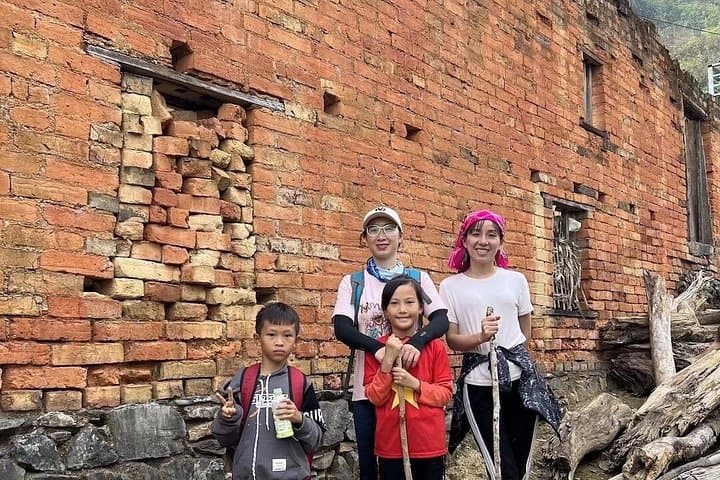
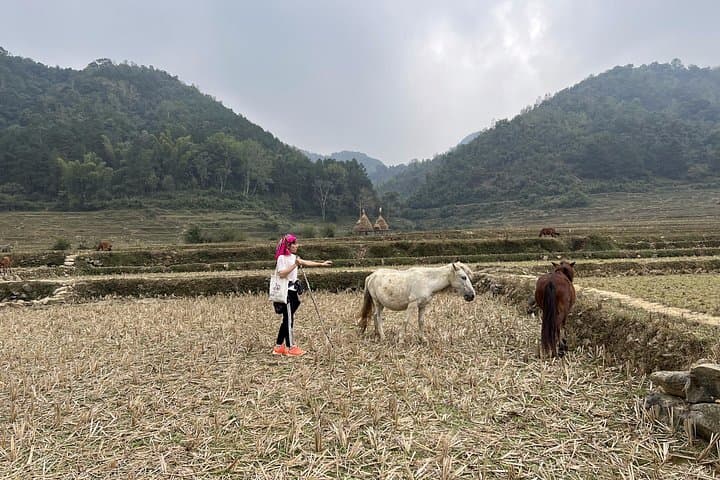
The route runs inside the Cao Bang Global Geopark, a region marked by karst towers and millennia of river incision. Ngao Cave holds stalactite shapes locals point out as animals and tools; nearby stone houses and rice terraces reflect centuries of upland farming and cross-border trade with China. Trúc Lâm pagoda sits above the falls, offering a wide view where geopolitical lines sit midriver and Vietnamese rice fields glow below.
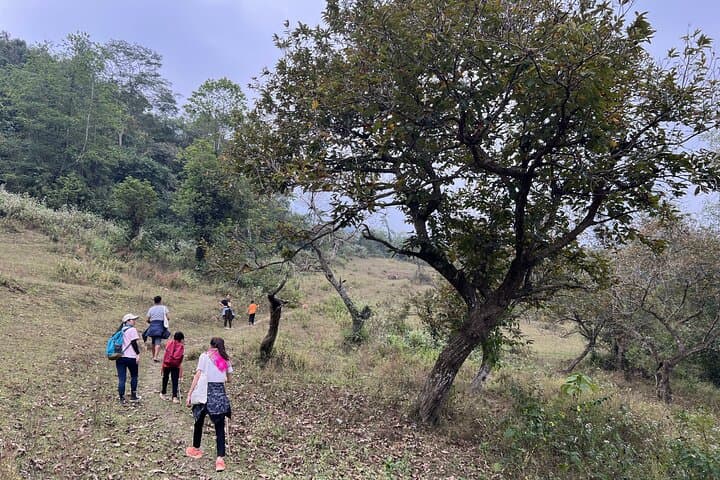
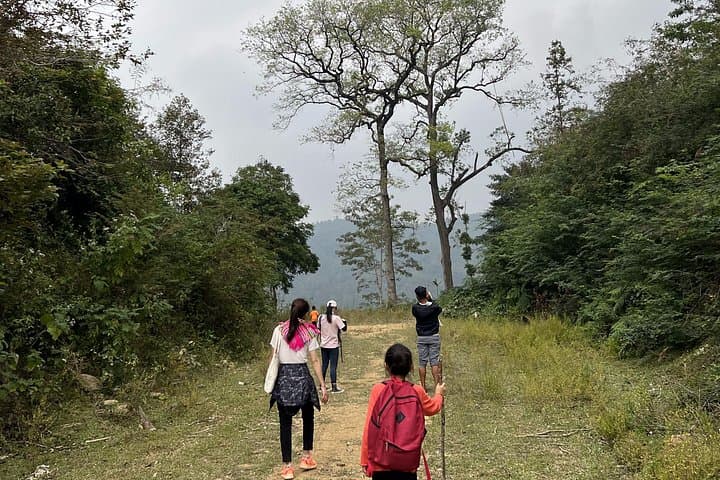
Expect forest tracks, muddy stream crossings, and several short climbs on uneven stone and packed earth. Guides lead homestay-to-homestay legs, time meals around local specialties like duck noodle soup and rice-paper rolls, and provide a boat ride to the waterfall base when water is high.
Practical notes: bring sturdy shoes, a lightweight rain layer, and cash for homestays and small purchases. Aim for early starts to avoid midday heat and to catch softer light at the falls. Respect village routines: ask before photographing people and pack out what you bring in. The terrain is friendly but variable — plan for wet shoes and big views.
moderate.
2 days (total ~8–10 hours trekking).
Suitable for travelers with basic fitness who can walk several hours on uneven terrain; no technical climbing required.
The itinerary is rated easy-to-moderate: mostly walking on village tracks, forest trails and some stone steps; no technical skills required.
Yes — the tour caters to all fitness levels, but participants should be comfortable walking on uneven ground for several hours and climbing short stair sections.
You remain on the Vietnamese side; no special border permits are required for standard tourist routes, but always follow guide instructions near the river border.
Local guides commonly speak Vietnamese and some English; meals feature regional specialties like duck noodle soup and rice-paper dishes, with simple homestay cooking.
The area lies in the Cao Bang Geopark, where karst landscapes and borderland history reflect centuries of upland cultures and cross-border interaction.
Support homestays, stay on trails to avoid erosion, and pack out waste; the geopark balances tourism and fragile limestone ecosystems.
Vietnam Northern Travel operates guided outdoor trips and adventures with an emphasis on safety, stewardship, and memorable experiences.
Morning mist lifts off the Quây Sơn River as you step out of a simple homestay in Khuôi Ki; the falls ahead are a low thunder, the mountains around you carving terraces and streams into the limestone. Over two days this easy trek threads cave passages, Tay and Nùng villages, and a close-up of Vietnam’s largest waterfall — Ban Gioc — where river spray dares you to come closer.
Morning mist lifts off the Quây Sơn River as you step out of a simple homestay in Khuôi Ki; the falls ahead are a low thunder, the mountains around you carving terraces and streams into the limestone. Over two days this easy trek threads cave passages, Tay and Nùng villages, and a close-up of Vietnam’s largest waterfall — Ban Gioc — where river spray dares you to come closer.
The route runs inside the Cao Bang Global Geopark, a region marked by karst towers and millennia of river incision. Ngao Cave holds stalactite shapes locals point out as animals and tools; nearby stone houses and rice terraces reflect centuries of upland farming and cross-border trade with China. Trúc Lâm pagoda sits above the falls, offering a wide view where geopolitical lines sit midriver and Vietnamese rice fields glow below.
Expect forest tracks, muddy stream crossings, and several short climbs on uneven stone and packed earth. Guides lead homestay-to-homestay legs, time meals around local specialties like duck noodle soup and rice-paper rolls, and provide a boat ride to the waterfall base when water is high.
Practical notes: bring sturdy shoes, a lightweight rain layer, and cash for homestays and small purchases. Aim for early starts to avoid midday heat and to catch softer light at the falls. Respect village routines: ask before photographing people and pack out what you bring in. The terrain is friendly but variable — plan for wet shoes and big views.