THE ADVENTURE COLLECTIVE® · Independent discovery and booking for outdoor travel
Ban Gioc is one of Vietnam’s largest transboundary waterfalls — a raw, karst-carved cascade where hiking, motorbike rides and village visits combine into a full-day adventure. Read on for what to expect and how to plan.
Ban Gioc is one of Vietnam’s largest transboundary waterfalls — a raw, karst-carved cascade where hiking, motorbike rides and village visits combine into a full-day adventure. Read on for what to expect and how to plan.
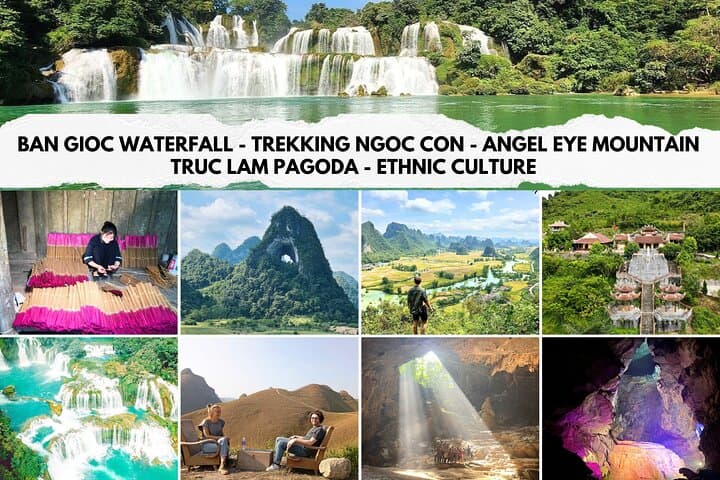
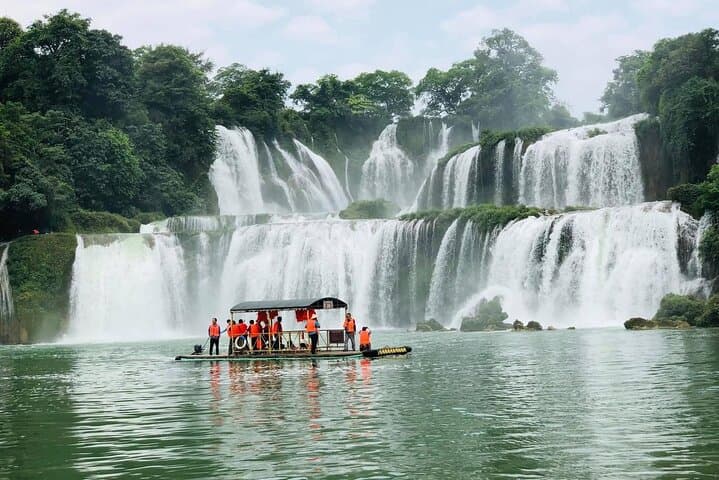
You arrive before the crowd and the falls are already working — sheets of limestone water peeling off the cliff and pushing a fine mist into the valley. Ban Gioc doesn’t whisper; it asserts itself, a broad staircase of water that divides Vietnam and China, framed by sheer karst ridges and rice terraces that climb like patchwork stairs.
Verified experiences and guided adventures in the surrounding area.
Operated by Hanoi Backpacker Travel · Cao Bang, Cao Bang Province
You arrive before the crowd and the falls are already working — sheets of limestone water peeling off the cliff and pushing a fine mist into the valley. Ban Gioc doesn’t whisper; it asserts itself, a broad staircase of water that divides Vietnam and China, framed by sheer karst ridges and rice terraces that climb like patchwork stairs.
Geology here is obvious: layered carbonate rock carved over millions of years, with fossils and caves tucked into limestone walls. The falls are part of Non Nuoc Cao Bang Geopark, an area noted for Ordovician to Silurian fossils and dramatic fluted cliffs. Culturally, the region is home to ethnic Tày and Nùng villages whose craft workshops—paper, knives, incense—dot the lowlands and add textured human rhythms to the landscape.
On a one-day route you’ll see Ban Gioc, pass through Ngoc Con Valley, visit Truc Lam Ban Gioc Pagoda for a panoramic view, and walk into a large cave known locally as the Tiger or Angel’s Eye cave. Expect short hikes on uneven trails, motorbike transfers across local roads, and riverfront vantage points where currents dare you closer.
Practical guide: arrive early for softer light and calmer pools, wear grippy shoes for slippery paths, and pack a light rain layer—spray is constant near the falls. Bring local currency for village purchases and treat riverbanks respectfully; the area benefits from low-impact tourism. Tours typically run 8–16 hours from Hanoi with optional overnight stays in Cao Bang for a slower pace.
No. Standard tours visit the Vietnamese side only; crossing the border requires appropriate visas and separate arrangements on the Chinese side.
Shared tours typically include an overnight bus: total transit is about 8–10 hours one way by sleeper bus, plus local transfers; day-trip options use early departures and long driving stints.
Most activity is short hikes and easy viewpoints suitable for families, though slippery sections near water require supervision for young children.
Late spring and early autumn balance fuller flows with stable weather; peak rainy season (summer) brings higher water but more rain.
Hanoi Backpacker Travel operates guided outdoor trips and adventures with an emphasis on safety, stewardship, and memorable experiences.
You arrive before the crowd and the falls are already working — sheets of limestone water peeling off the cliff and pushing a fine mist into the valley. Ban Gioc doesn’t whisper; it asserts itself, a broad staircase of water that divides Vietnam and China, framed by sheer karst ridges and rice terraces that climb like patchwork stairs.
You arrive before the crowd and the falls are already working — sheets of limestone water peeling off the cliff and pushing a fine mist into the valley. Ban Gioc doesn’t whisper; it asserts itself, a broad staircase of water that divides Vietnam and China, framed by sheer karst ridges and rice terraces that climb like patchwork stairs.
Geology here is obvious: layered carbonate rock carved over millions of years, with fossils and caves tucked into limestone walls. The falls are part of Non Nuoc Cao Bang Geopark, an area noted for Ordovician to Silurian fossils and dramatic fluted cliffs. Culturally, the region is home to ethnic Tày and Nùng villages whose craft workshops—paper, knives, incense—dot the lowlands and add textured human rhythms to the landscape.
On a one-day route you’ll see Ban Gioc, pass through Ngoc Con Valley, visit Truc Lam Ban Gioc Pagoda for a panoramic view, and walk into a large cave known locally as the Tiger or Angel’s Eye cave. Expect short hikes on uneven trails, motorbike transfers across local roads, and riverfront vantage points where currents dare you closer.
Practical guide: arrive early for softer light and calmer pools, wear grippy shoes for slippery paths, and pack a light rain layer—spray is constant near the falls. Bring local currency for village purchases and treat riverbanks respectfully; the area benefits from low-impact tourism. Tours typically run 8–16 hours from Hanoi with optional overnight stays in Cao Bang for a slower pace.
