THE ADVENTURE COLLECTIVE® · Independent discovery and booking for outdoor travel

Three days of borderland waterfalls, limestone passes and cave chambers—this Cao Bang loop pairs Ban Gioc’s thunderous falls with Pac Bo’s history and village homestays. Expect bus transfers, short hikes on uneven terrain, and immersive local culture.
Three days of borderland waterfalls, limestone passes and cave chambers—this Cao Bang loop pairs Ban Gioc’s thunderous falls with Pac Bo’s history and village homestays. Expect bus transfers, short hikes on uneven terrain, and immersive local culture.
The first light on day two cuts across karst towers and rice fields; mist from the river hangs low and the roar of Ban Gioc rises before you see it—tiers of water slipping toward the China–Vietnam border, spray daring you closer.
Verified experiences and guided adventures in the surrounding area.
Operated by Asia Green Travel · Cao Bang City, Cao Bang Province
The first light on day two cuts across karst towers and rice fields; mist from the river hangs low and the roar of Ban Gioc rises before you see it—tiers of water slipping toward the China–Vietnam border, spray daring you closer.
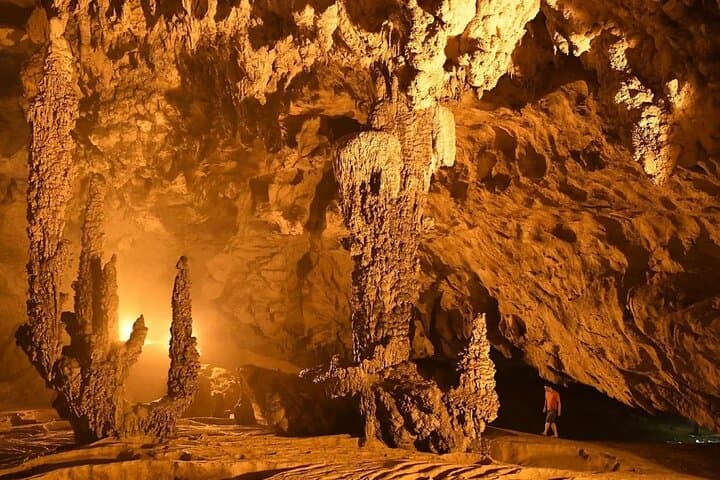
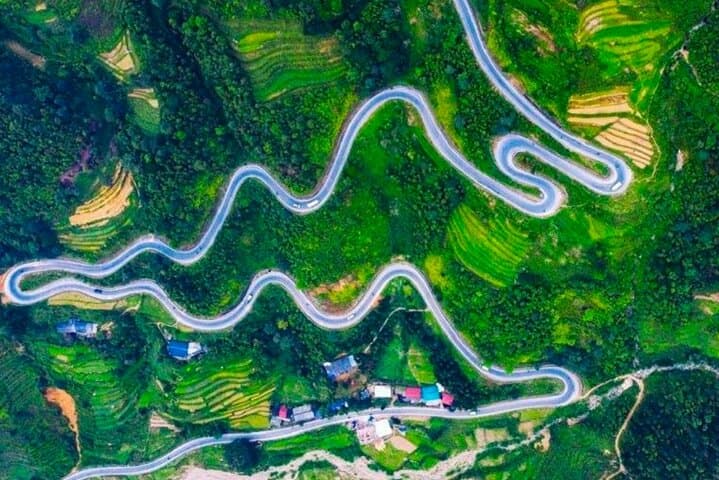
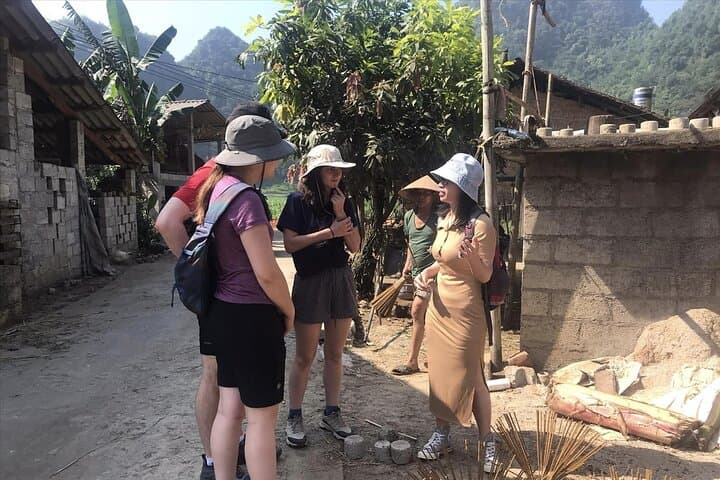
This three-day loop centers on Cao Bang’s geological drama: limestone ridges carved into blind valleys, cave systems like Nguom Ngao (more than 2 km of passages), and high passes such as Me Pia with its 14 hairpin bends. History threads through the landscape—Pac Bo cave is where Ho Chi Minh returned in 1941—while small Tay and Nung villages preserve weaving, stilt houses, and market rhythms.
Expect contrasting terrain: paved provincial roads give way to gravel tracks, short riverside walks and slippery, mossy steps at waterfall viewpoints. The itinerary moves by sleeper bus overnight from Hanoi (depart ~20:30, arrive early morning), two local homestays and a final return to Hanoi by late evening on day three. Practicalities matter: local cash, modest footwear for slippery rocks and cave floors, and a light rain shell for sudden mountain showers.
Plan mornings at Ban Gioc and Nguom Ngao for softer light and fewer visitors; evenings belong to homestays and market exchanges. The trip balances easy cultural access with moderate on-foot exploration—no technical climbing, but steady mobility across uneven surfaces. Pack a small daypack, be ready for wet spray and cooler pass-summit winds, and let the landscape’s slow pulse set the trip’s pace.
moderate.
3 days.
Suitable for travelers in reasonable health; includes short walks, stairs and uneven surfaces but no technical climbs.
If you’re traveling from within Vietnam there’s no border crossing required for this tour; bring ID and your passport if you plan to cross into China or for identification at hotels and transport.
The tour is rated suitable for most fitness levels; expect some uphill viewpoints, staircases at caves and wet, uneven surfaces—no technical climbing required.
Two nights are arranged in local homestays or simple hotels—rooms can be basic and sometimes shared; bring sleepwear and modest toiletries.
Operators may adjust sequencing or times if heavy rain affects roads or visibility; cancellation and refund policies are set by the tour operator.
Pac Bo cave is a key revolutionary site where Hồ Chí Minh organized resistance after returning to Vietnam in 1941, set within a landscape long inhabited by Tay and Nung communities.
Karst systems and river corridors are sensitive to runoff and litter—respect local rules, avoid single-use plastics, and support homestays that use sustainable practices.
Asia Green Travel operates guided outdoor trips and adventures with an emphasis on safety, stewardship, and memorable experiences.
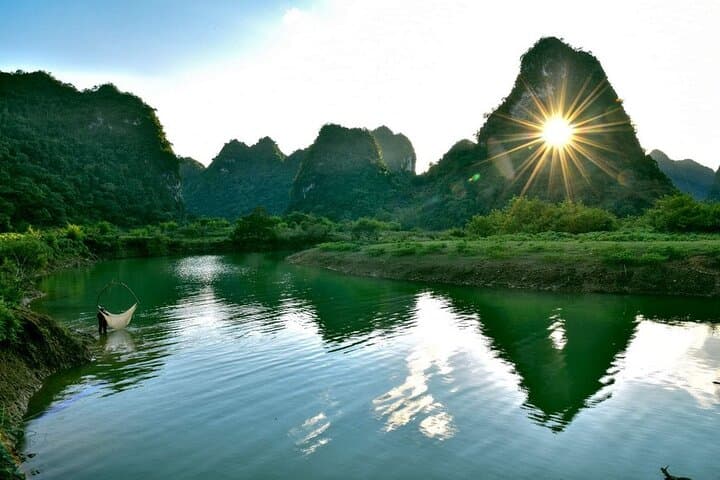
The first light on day two cuts across karst towers and rice fields; mist from the river hangs low and the roar of Ban Gioc rises before you see it—tiers of water slipping toward the China–Vietnam border, spray daring you closer.
The first light on day two cuts across karst towers and rice fields; mist from the river hangs low and the roar of Ban Gioc rises before you see it—tiers of water slipping toward the China–Vietnam border, spray daring you closer.
This three-day loop centers on Cao Bang’s geological drama: limestone ridges carved into blind valleys, cave systems like Nguom Ngao (more than 2 km of passages), and high passes such as Me Pia with its 14 hairpin bends. History threads through the landscape—Pac Bo cave is where Ho Chi Minh returned in 1941—while small Tay and Nung villages preserve weaving, stilt houses, and market rhythms.
Expect contrasting terrain: paved provincial roads give way to gravel tracks, short riverside walks and slippery, mossy steps at waterfall viewpoints. The itinerary moves by sleeper bus overnight from Hanoi (depart ~20:30, arrive early morning), two local homestays and a final return to Hanoi by late evening on day three. Practicalities matter: local cash, modest footwear for slippery rocks and cave floors, and a light rain shell for sudden mountain showers.
Plan mornings at Ban Gioc and Nguom Ngao for softer light and fewer visitors; evenings belong to homestays and market exchanges. The trip balances easy cultural access with moderate on-foot exploration—no technical climbing, but steady mobility across uneven surfaces. Pack a small daypack, be ready for wet spray and cooler pass-summit winds, and let the landscape’s slow pulse set the trip’s pace.