THE ADVENTURE COLLECTIVE® · Independent discovery and booking for outdoor travel

A three-day loop from Hanoi that pairs the thunderous, border-spanning Ban Gioc Waterfall with the quiet karst panes of Ba Be Lake. Expect village homestays, river cruises, caves and long scenic driving.
A three-day loop from Hanoi that pairs the thunderous, border-spanning Ban Gioc Waterfall with the quiet karst panes of Ba Be Lake. Expect village homestays, river cruises, caves and long scenic driving.
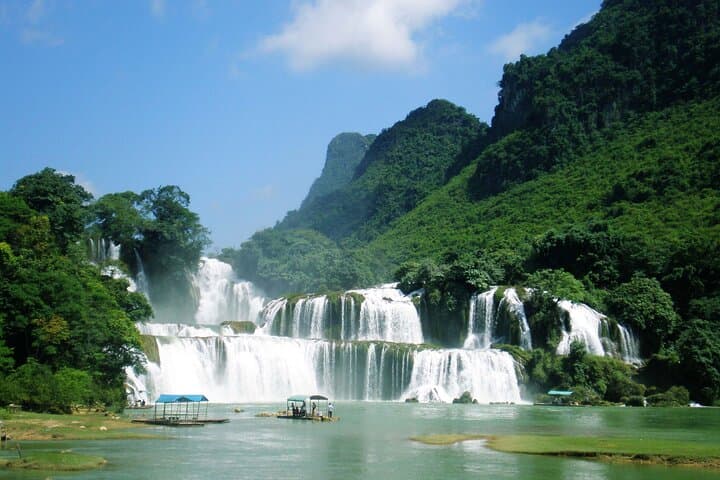
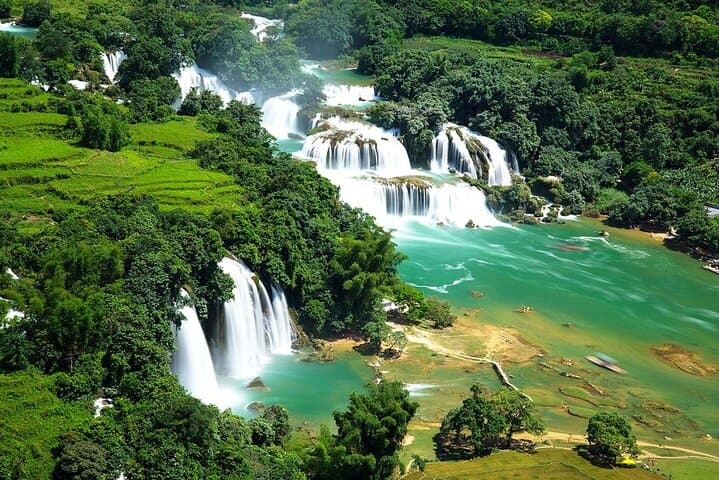
You step off the minivan into a thunder of water and green — Ban Gioc’s curtain spills across the border, columns of spray catching light as karst cliffs loom like old guardians.
Verified experiences and guided adventures in the surrounding area.
Operated by Authentic HALONG · Cao Bang, Cao Bang Province
You step off the minivan into a thunder of water and green — Ban Gioc’s curtain spills across the border, columns of spray catching light as karst cliffs loom like old guardians.
This three-day route threads two contrasting landscapes: Cao Bang’s wild, broad-tiered Ban Gioc Falls (roughly 300 m across, with cascades dropping in multiple steps) and the enclosed, mirror-flat arms of Ba Be Lake inside Ba Be National Park. Geologically, you’re moving through limestone karst carved by rivers over millions of years; caves such as Nguom Ngao (over 2,100 m of passages) and Puong Grotto show river erosion’s slow handiwork. Culturally the trip moves through Nung and Tay villages where blacksmithing and rice terrace agriculture remain daily rhythms — homestays let you experience local craft, meals and sleep schedules.
Expect variable terrain: paved and narrow mountain roads (long drives of about 230 km back to Hanoi), short village walks, riverside steps to photo viewpoints, and a calm boat cruise along Ba Be and the Nang River that skirts bat-filled grottoes. Weather affects everything — higher flows in the rainy summer swell the falls and deepen cave pools; dry months lower water but improve visibility.
Practical guidance: pack a light rain jacket, sturdy shoes with grip for slippery riverbanks, and a daypack with water and insect repellent. Boat trips and cave visits are low technical demand but moderate fitness helps for multiple short hikes and getting on/off boats. Bring local cash for small purchases at homestays and allow extra time for border-area permits and photo stops.
moderate.
3 days.
Moderate fitness recommended—able to do multiple short walks, board small boats and manage stairs and uneven village paths.
The return drive is roughly 230 km and takes about 5–6 hours each way; the itinerary spaces travel across days to avoid a single long transfer.
Homestays in Cao Bang and Ba Be are traditional family-run houses offering simple, clean rooms—expect shared facilities and authentic home-cooked meals.
Swimming is possible in calm conditions from boats or shore in designated spots, but always check with guides about water safety and current conditions.
Short walks and boat transfers are child-friendly with supervision but the tour involves stairs and uneven terrain; not recommended for those with serious mobility restrictions.
The route crosses historic First Indochina War sites such as Dong Khe and Quy Mon Quan gate—areas with memorials and local stories tied to mid-20th century conflicts.
Ba Be National Park is a protected area with community-based tourism; visitors should stay on marked paths, avoid single-use plastics and respect homestay rules to minimize impact.
Authentic HALONG operates guided outdoor trips and adventures with an emphasis on safety, stewardship, and memorable experiences.


You step off the minivan into a thunder of water and green — Ban Gioc’s curtain spills across the border, columns of spray catching light as karst cliffs loom like old guardians.
You step off the minivan into a thunder of water and green — Ban Gioc’s curtain spills across the border, columns of spray catching light as karst cliffs loom like old guardians.
This three-day route threads two contrasting landscapes: Cao Bang’s wild, broad-tiered Ban Gioc Falls (roughly 300 m across, with cascades dropping in multiple steps) and the enclosed, mirror-flat arms of Ba Be Lake inside Ba Be National Park. Geologically, you’re moving through limestone karst carved by rivers over millions of years; caves such as Nguom Ngao (over 2,100 m of passages) and Puong Grotto show river erosion’s slow handiwork. Culturally the trip moves through Nung and Tay villages where blacksmithing and rice terrace agriculture remain daily rhythms — homestays let you experience local craft, meals and sleep schedules.
Expect variable terrain: paved and narrow mountain roads (long drives of about 230 km back to Hanoi), short village walks, riverside steps to photo viewpoints, and a calm boat cruise along Ba Be and the Nang River that skirts bat-filled grottoes. Weather affects everything — higher flows in the rainy summer swell the falls and deepen cave pools; dry months lower water but improve visibility.
Practical guidance: pack a light rain jacket, sturdy shoes with grip for slippery riverbanks, and a daypack with water and insect repellent. Boat trips and cave visits are low technical demand but moderate fitness helps for multiple short hikes and getting on/off boats. Bring local cash for small purchases at homestays and allow extra time for border-area permits and photo stops.