THE ADVENTURE COLLECTIVE® · Independent discovery and booking for outdoor travel

A compact two-day circuit from Cao Bang city that combines the roar of Ban Gioc Waterfall with a night of wilderness camping on Angel Eye Mountain. Expect karst landscapes, ethnic village cuisine, and moderate hiking with motorbike transfers.
A compact two-day circuit from Cao Bang city that combines the roar of Ban Gioc Waterfall with a night of wilderness camping on Angel Eye Mountain. Expect karst landscapes, ethnic village cuisine, and moderate hiking with motorbike transfers.
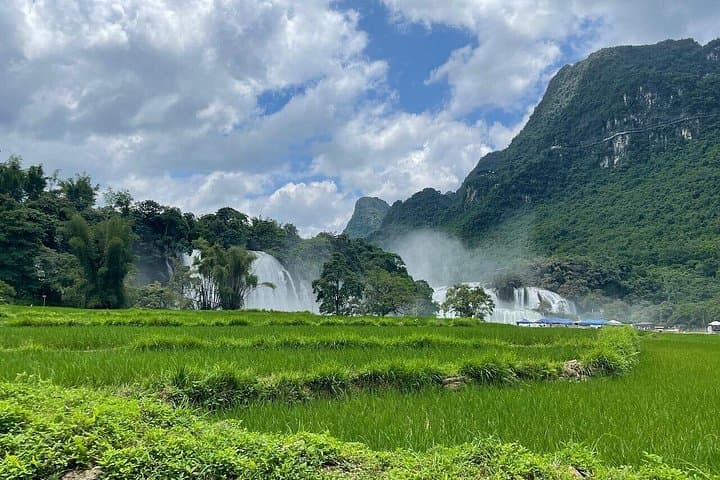
Mist from Ban Gioc fractures sunlight into silver threads as the boat noses close enough to feel the spray—this is where the land leans into water and the border becomes a line on a map rather than a barrier.
Verified experiences and guided adventures in the surrounding area.
Operated by Iztrip · Cao Bang, Cao Bang Province
Mist from Ban Gioc fractures sunlight into silver threads as the boat noses close enough to feel the spray—this is where the land leans into water and the border becomes a line on a map rather than a barrier.
Over two days the route moves from thunderous cascades to the hollow crown of Angel Eye Mountain, across limestone ridges carved by karst geology and centuries of underground rivers. Ban Gioc itself sits on the Vietnam–China frontier; its terraces and plunge pools are part of a larger geologic story of uplift and dissolution. Cultural notes arrive in villages along the pass: Tay, Nung and Dao households prepare coronation-like feasts of sour fish and mountain herbs, while Pac Bo Historical Site ties the region into modern Vietnamese history as the place where Ho Chi Minh organized early revolutionary activity.
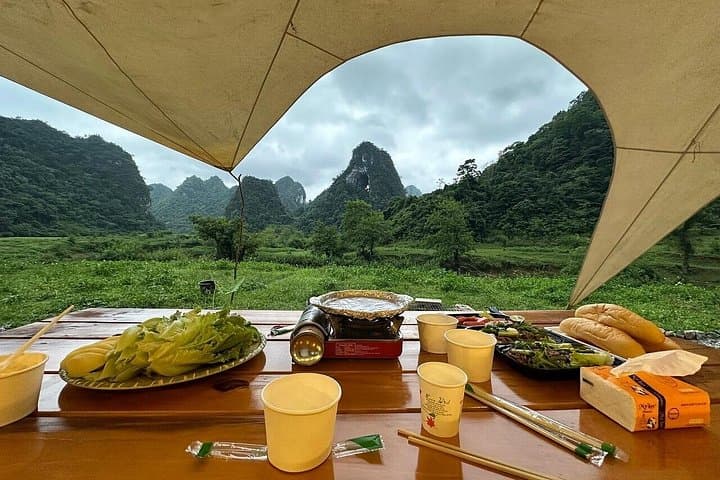
Expect rough rural roads, short treks to viewpoints, a motorbike or vehicle transfer, and one night camping with provided tents and basic gear on Angel Eye’s forested slopes. Sunrise from the rim rewards early risers; afternoons bring softer light for exploring Nguom Ngao cave and Thang Hen lakes.
Practical guidance: bring waterproof footwear and layers for cold nights, carry cash for remote restaurants, pack insect repellent and a rechargeable headlamp, and allow extra time for photo stops and local interactions. The itinerary suits travelers with moderate fitness who appreciate cultural context and hands-on, outdoorsy travel—plan for minimal services in the field, and leave no trace when camping.
moderate.
2 days (approx. 48 hours).
Moderate — able to handle short hikes (up to a few km) on uneven terrain and one night of camping.
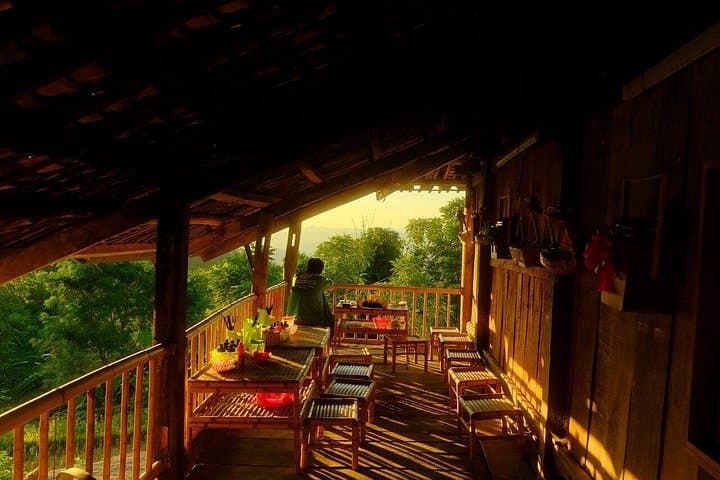
Camping is basic but organized: tents, tables and chairs are provided; expect limited running water and primitive toilets in the immediate area.
Infants must sit on an adult’s lap; the trip requires moderate mobility and includes motorbike transfers, so it’s better for older children accustomed to uneven ground.
Ban Gioc is adjacent to the international border but the attraction itself is on the Vietnamese side; bring valid ID or passport but no special border permit is usually required for standard tourist access.
Local guides typically speak Vietnamese; tour operators often provide English-speaking guides on request—confirm at booking if you need English commentary.
Pac Bo historical site near the itinerary is where Ho Chi Minh spent time organizing revolutionary work after returning to Vietnam in 1941, adding national significance to the region.
Ban Gioc and surrounding karst systems are sensitive to pollution and overuse; stick to trails, avoid single-use plastics, and support local businesses that follow sustainable practices.
Iztrip operates guided outdoor trips and adventures with an emphasis on safety, stewardship, and memorable experiences.
Mist from Ban Gioc fractures sunlight into silver threads as the boat noses close enough to feel the spray—this is where the land leans into water and the border becomes a line on a map rather than a barrier.
Mist from Ban Gioc fractures sunlight into silver threads as the boat noses close enough to feel the spray—this is where the land leans into water and the border becomes a line on a map rather than a barrier.
Over two days the route moves from thunderous cascades to the hollow crown of Angel Eye Mountain, across limestone ridges carved by karst geology and centuries of underground rivers. Ban Gioc itself sits on the Vietnam–China frontier; its terraces and plunge pools are part of a larger geologic story of uplift and dissolution. Cultural notes arrive in villages along the pass: Tay, Nung and Dao households prepare coronation-like feasts of sour fish and mountain herbs, while Pac Bo Historical Site ties the region into modern Vietnamese history as the place where Ho Chi Minh organized early revolutionary activity.
Expect rough rural roads, short treks to viewpoints, a motorbike or vehicle transfer, and one night camping with provided tents and basic gear on Angel Eye’s forested slopes. Sunrise from the rim rewards early risers; afternoons bring softer light for exploring Nguom Ngao cave and Thang Hen lakes.
Practical guidance: bring waterproof footwear and layers for cold nights, carry cash for remote restaurants, pack insect repellent and a rechargeable headlamp, and allow extra time for photo stops and local interactions. The itinerary suits travelers with moderate fitness who appreciate cultural context and hands-on, outdoorsy travel—plan for minimal services in the field, and leave no trace when camping.